

Installing a modular building on an existing site involves much more than determining whether planning permission is required. Whether expanding a school, increasing healthcare capacity, or creating additional commercial space, successful projects rely on careful planning from the outset.
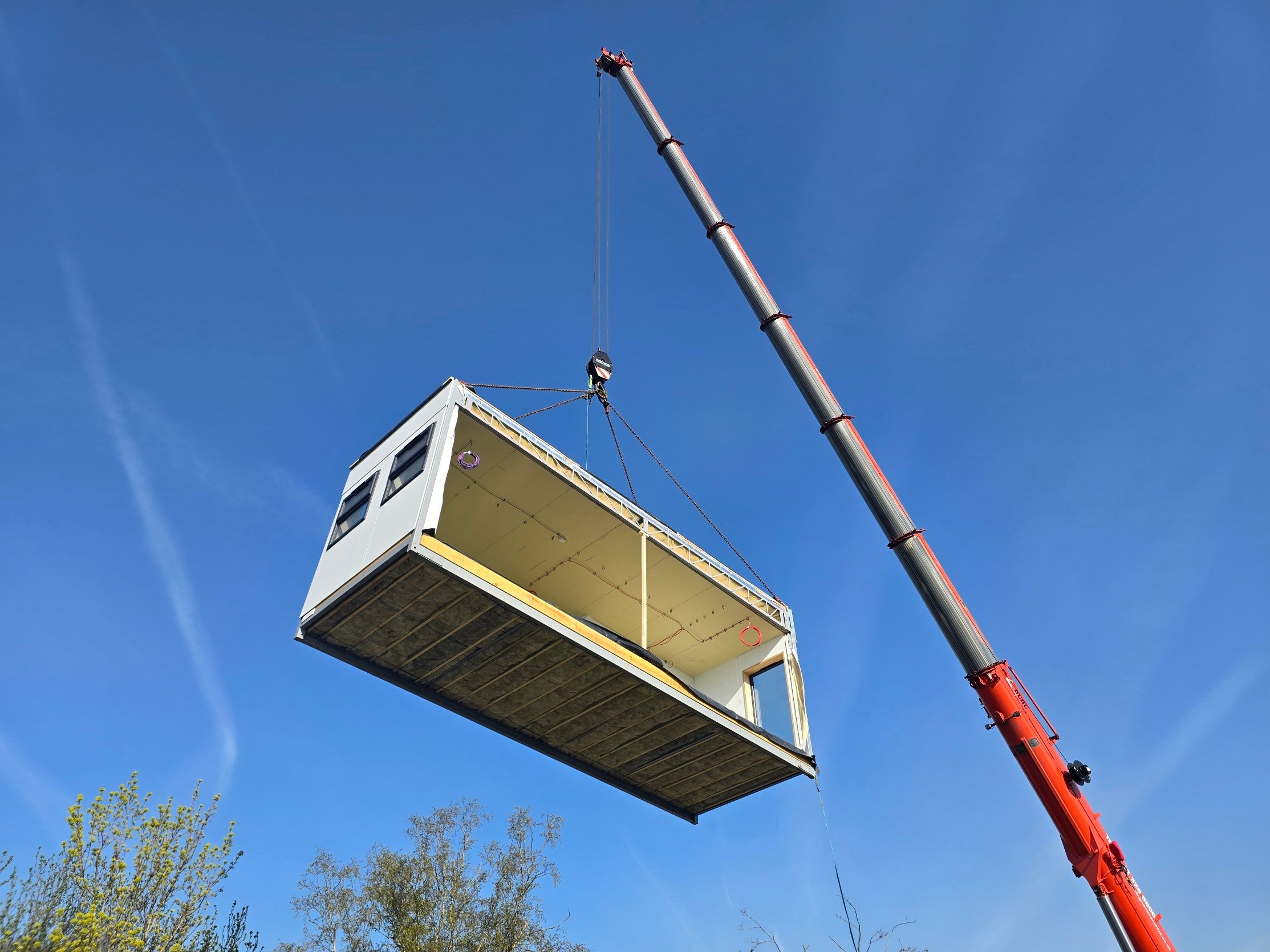
Alongside planning permission, organisations should consider site surveys, ground conditions, existing utilities, drainage, delivery access, crane installation, Building Regulations, and how construction will affect day-to-day operations. Addressing these factors early helps identify potential constraints, improve programme certainty, and ensure a new building integrates successfully with the existing estate.

At A Glance
Do modular buildings need planning permission?
In many cases, yes. Permanent modular buildings are generally subject to the same planning considerations as traditionally constructed buildings, although requirements vary depending on the location, size, intended use, and local planning authority.
However, planning permission is only one part of the wider planning process. Before installing a modular building, organisations should also consider:
- Site assessments and surveys
- Ground conditions and foundations
- Existing utilities and drainage
- Delivery routes and crane access
- Building Regulations
- Maintaining operations during construction
- Future estate plans
Every project should be assessed individually, and planning requirements should be confirmed with the relevant professionals and local planning authority where appropriate.
Understanding Planning Requirements For Modular Buildings
Planning a modular building on an existing operational site is often more complex than developing on a vacant plot. Existing buildings, underground services, access routes, and the continued use of the site all influence how a project is designed and delivered.
For schools, this may mean maintaining safe access for pupils and staff throughout construction. Healthcare estates often need emergency routes and clinical services to remain operational, while commercial premises may need business activities and deliveries to continue uninterrupted.
Understanding these operational requirements at an early stage allows project teams to identify potential constraints before manufacture begins, helping reduce the risk of delays during installation.
Do Modular Buildings Need Planning Permission?
Whether modular buildings require planning permission depends on the specific project.
Factors that can influence planning requirements include:
- Whether the building is permanent or temporary
- The size and height of the proposed building
- The intended use
- The location of the site
- Local planning policies
- Any applicable permitted development rights
Permanent modular buildings are generally considered in the same way as traditional buildings within the planning system.
Because every project is different, organisations should seek appropriate planning advice where necessary. This article provides general guidance and should not be considered legal or planning advice.
Planning Permission vs Building Regulations
Planning permission and Building Regulations are often confused, but they serve different purposes.
Planning permission considers whether a proposed development is appropriate for its location, taking account of factors such as land use, appearance, and the surrounding environment.
Building Regulations focus on how the building is designed and constructed, ensuring it meets the required standards for structural performance, fire safety, accessibility, energy efficiency, and other technical requirements.
Both should be considered during the early planning stages of a modular building project.
Planning Considerations When Installing Modular Buildings On Existing Sites
Successfully installing modular buildings in the UK requires more than selecting a suitable location. Existing site conditions and operational requirements often have a significant influence on how a project is delivered.
Early planning should consider:
- Site assessments to understand available space and identify physical constraints.
- Ground conditions to determine suitable foundation solutions.
- Existing utilities and drainage to avoid conflicts with underground services and plan new connections.
- Delivery routes and crane positioning to ensure modules can be transported and installed safely.
- Existing buildings and access routes to maintain emergency access, pedestrian movement, and site safety.
- Future estate planning so today's building supports future expansion where possible.
- Operational continuity to minimise disruption for staff, visitors, patients, pupils, or customers throughout construction.
Addressing these considerations before manufacture begins helps create a smoother installation programme and reduces the likelihood of unexpected challenges on site.
Planning Considerations By Sector
Education
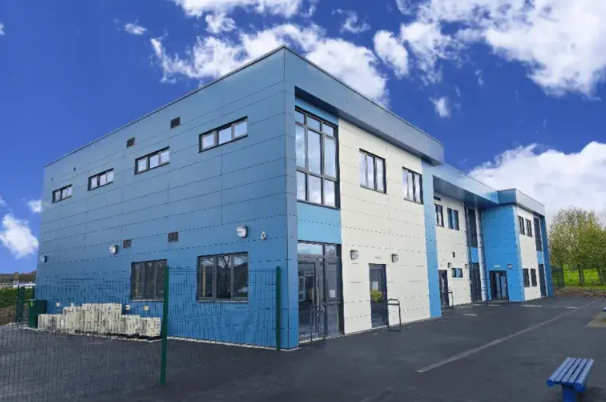
Education projects often need to be delivered while schools remain fully operational. Planning typically focuses on safeguarding, pupil and staff access, delivery scheduling, and minimising disruption during the academic year.
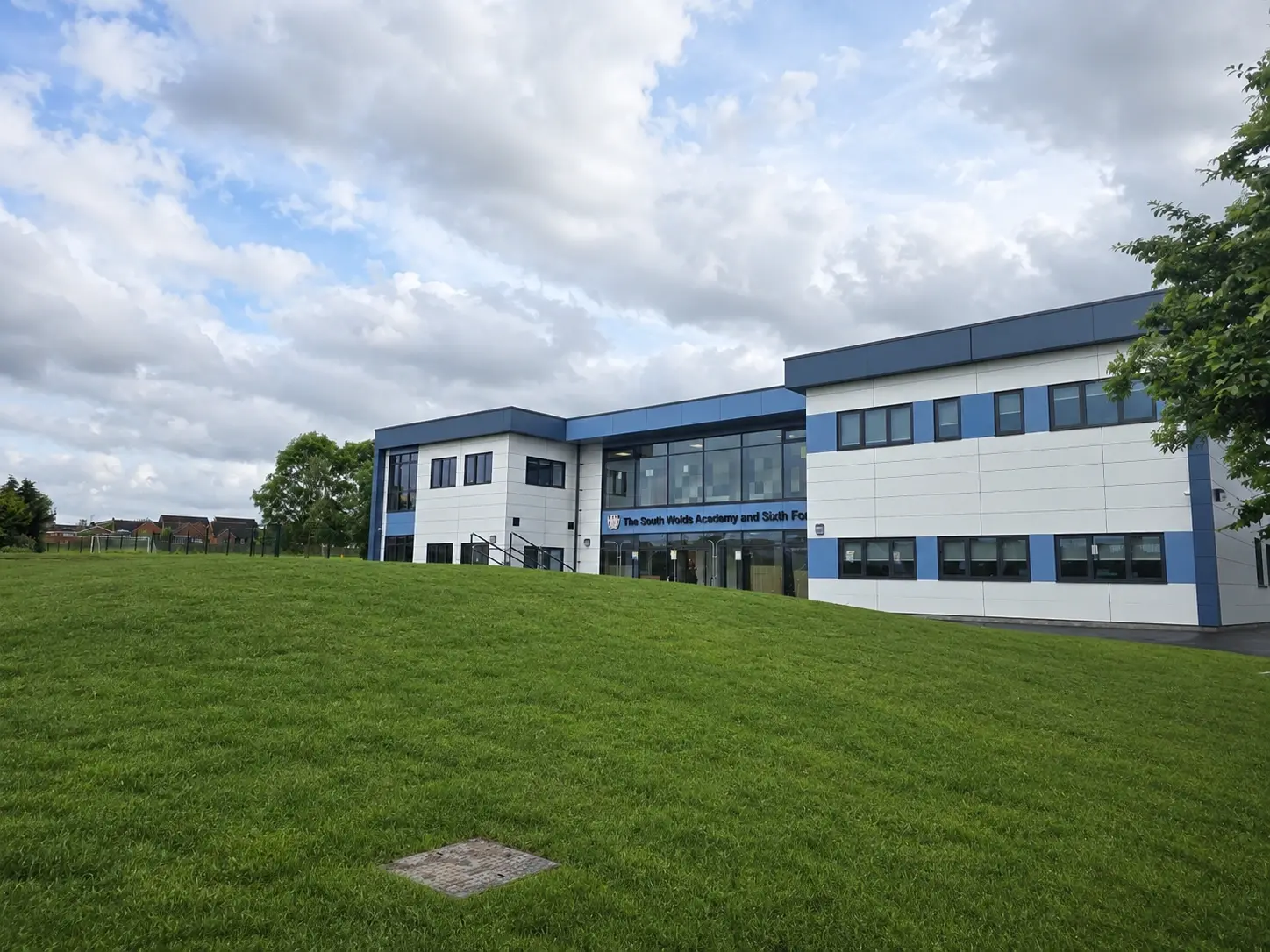
The South Wolds Academy project demonstrates how careful planning and coordinated installation can successfully integrate a permanent modular teaching building within an operational school environment.
For more information, see Modular Classrooms & Buildings for Education.
Healthcare
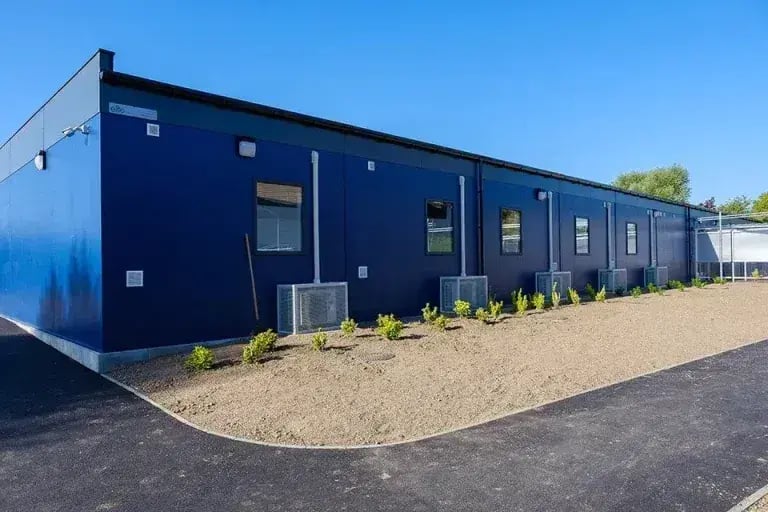
Healthcare environments require particularly careful coordination to ensure patient care continues throughout construction. Maintaining emergency access, protecting essential services, and managing deliveries are all important considerations.
The Royal Surrey County Hospital isolation ward project provides an example of delivering a modular healthcare facility within a live hospital estate while carefully coordinating construction activities around ongoing operations.
You can also explore Modular Buildings for Healthcare.
Commercial
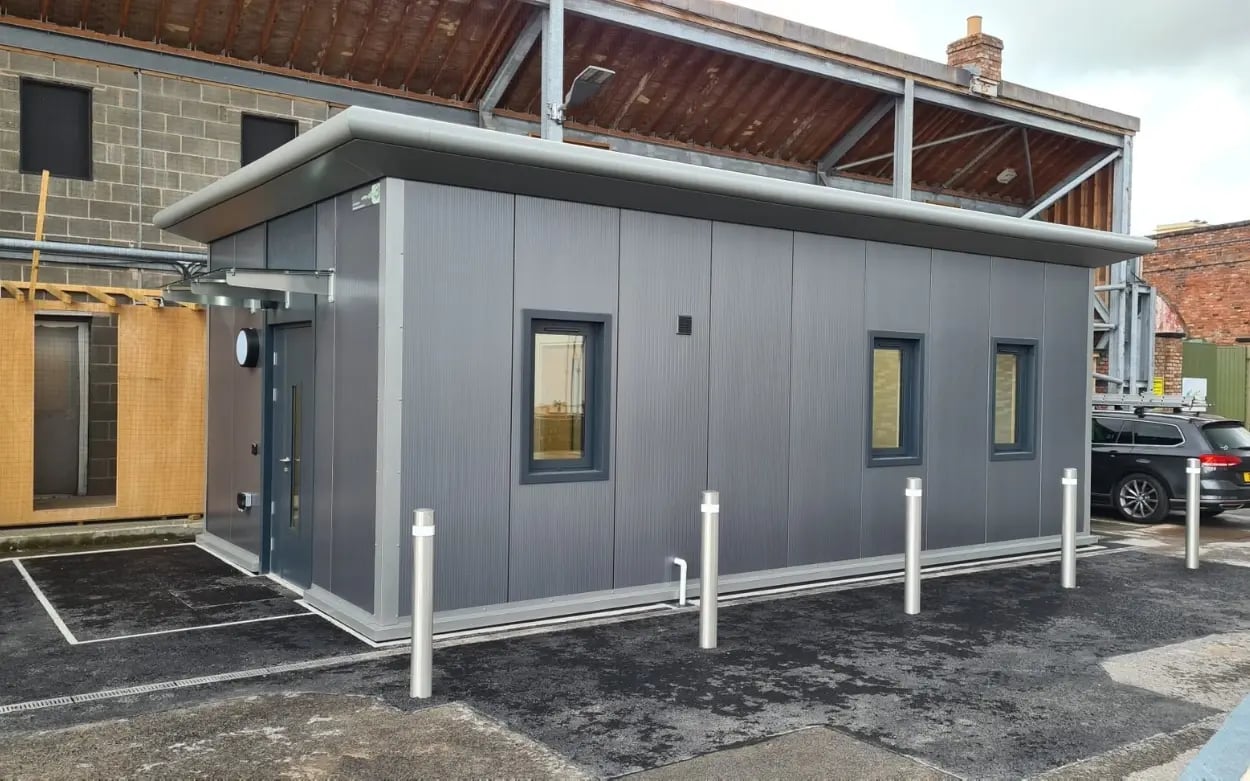
Commercial developments often prioritise business continuity. Staff access, parking, deliveries, neighbouring businesses, and future expansion all need to be considered before installation begins.
The ITV Studios Camera Store project demonstrates how careful planning and logistics can support the installation of a permanent modular building while allowing day-to-day operations to continue.
Further examples can be found on the Commercial Modular Buildings page.
Why Early Planning Matters
Many of the challenges associated with modular construction can be identified before work begins.
By considering planning requirements, site constraints, logistics, and operational needs at an early stage, organisations can improve programme certainty and reduce the likelihood of delays during installation.
Because permanent modular buildings are manufactured offsite while site preparation takes place simultaneously, early coordination between designers, engineers, and construction teams helps ensure the completed building integrates successfully with the existing site.
Working With An Experienced Modular Building Partner
Planning a modular building project requires the coordination of surveys, design, logistics, manufacture, and installation.
Working with an experienced project team helps ensure these activities are considered together rather than separately, allowing potential constraints to be identified before they affect the construction programme.
Through its Turnkey Modular Solutions, Elite Systems supports organisations from the early planning stages through to manufacture, installation, and project completion, helping deliver modular buildings that integrate successfully with existing operational sites.
Conclusion
Planning a modular building on an existing site involves much more than determining whether planning permission is required. Site conditions, utilities, drainage, access, Building Regulations, and operational requirements all influence how successfully a project can be delivered.
By considering these factors from the earliest stages, organisations can reduce risk, improve programme certainty, and create buildings that work effectively alongside their existing estate.
If you're considering a permanent modular building for an education, healthcare or commercial project, speak to the Elite Systems team to discuss your site and the planning considerations that may influence your project.

How Modular Buildings Can Simplify The Planning Process For New Facilities
Why More Multi-Academy Trusts Are Choosing Modular Construction
No Comments Yet
Let us know what you think