


Choosing an experienced modular building company can help reduce project risk, maintain build quality, and ensure important requirements around compliance, design, site logistics, and installation are considered from the outset.
Experienced modular builders bring knowledge gained from delivering projects across different sites, sectors, and building types. This can help identify potential challenges earlier, coordinate delivery more effectively, and reduce the risk of delays, additional costs, or installation problems.
For UK organisations comparing modular building companies, experience should therefore be assessed alongside price, programme, and design. Relevant sector experience, proven project delivery, technical expertise, and the ability to manage a project from initial surveys through to handover can all provide greater confidence in a successful outcome.
In this blog, we explore how experience can help reduce risk throughout a modular building project and why previous project delivery should be an important consideration when selecting a provider.
Experience Helps Reduce Project Risk
Every construction project carries risk. Site access may be restricted, ground conditions can create additional requirements, utilities may need relocating, and installation might need to take place around an operational school, hospital, or workplace.
One of the benefits of working with an experienced modular builder is their ability to identify these challenges early.
Rather than considering the building in isolation, an experienced provider should assess the complete project, including:
- Site access and delivery routes
- Ground conditions and foundations
- Crane access and lifting requirements
- Existing utilities and drainage
- Planning and Building Regulations
- Fire safety and accessibility
- Operational restrictions
- Installation and handover
Identifying these considerations early allows potential solutions to be incorporated into the design and delivery programme.
This is particularly important with modular construction because significant elements are manufactured off-site. Decisions made before production begins can influence everything from structural design to delivery logistics and installation.
For more on managing these considerations, this blog on how modular building companies manage complex construction projects maybe useful.
Understanding Compliance Is Essential
Permanent modular buildings are required to meet relevant building standards and regulations in the same way as traditionally constructed buildings.
Depending on the project, requirements may relate to structural performance, fire safety, energy efficiency, accessibility, ventilation, and acoustics. Requirements can also vary according to the building's intended use.
Education buildings, for example, may need to consider classroom acoustics, safeguarding, and pupil circulation, while healthcare environments can introduce additional requirements around clinical use, hygiene, patient movement, and building services.
Technical and regulatory knowledge should therefore be an important consideration when comparing modular building providers in the UK.
Experienced providers should understand how these requirements influence the building from design through to manufacture and completion. Considering compliance early can reduce the risk of significant design changes later and help ensure the completed building is suitable for its intended use.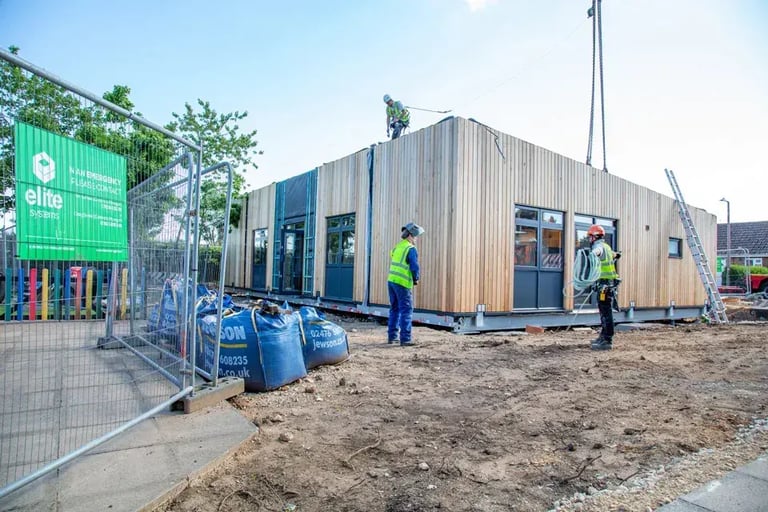
Build Quality Starts Before Manufacturing
Build quality begins long before a modular building reaches the factory floor. Initial surveys, design decisions, material specifications, and technical coordination can all influence the quality of the finished building.
Individual modules must connect correctly, building services need to integrate effectively, and interfaces between the modular structure, foundations, and existing infrastructure must be carefully coordinated.
Experienced modular building companies should have established processes for managing these details throughout the project.
The controlled factory environment associated with off-site construction can support quality management by allowing components to be manufactured under consistent conditions with inspections throughout production. However, the effectiveness of this approach still depends on the systems, processes and expertise behind it.
Read more about what makes a high-quality modular building and why it matters.
Turnkey Experience Can Simplify Project Delivery
A modular building project can involve far more than manufacturing the building itself.
Depending on the project, this can include surveys, design, planning support, groundworks, foundations, drainage, utilities, manufacture, transport, crane operations, installation, fit-out, and external works.
Providers with turnkey experience can coordinate multiple stages through a single delivery programme. This can establish clearer responsibilities, improve communication, and reduce the number of interfaces the client needs to manage.
Turnkey experience can be particularly valuable within live environments. Schools may need construction activities planned around pupils and term dates, while healthcare facilities may need to maintain patient access and essential services throughout the project.
Experience in these environments helps project teams coordinate construction activity around the people who continue to use the site.

Experience Matters On Challenging Sites
Many modular projects take place within existing estates where available space is limited. Buildings may need to fit around roads, car parks, landscaping, existing services, and areas that must remain operational.
Experienced modular builders can use early site assessments to understand these constraints and determine how they will influence design and installation.
Constrained sites may require carefully planned delivery routes, traffic management, and crane operations. Multi-storey modular construction may also provide an option where land is limited, enabling organisations to increase accommodation without significantly increasing the building footprint.
Experience across different sites gives providers a broader understanding of the solutions available when straightforward approaches are not possible.
Previous Projects Can Demonstrate Relevant Experience
When comparing modular building companies, organisations should consider the type and complexity of projects a provider has successfully delivered, not simply how long it has been operating.
Relevant projects can demonstrate how experience translates into practical risk management.
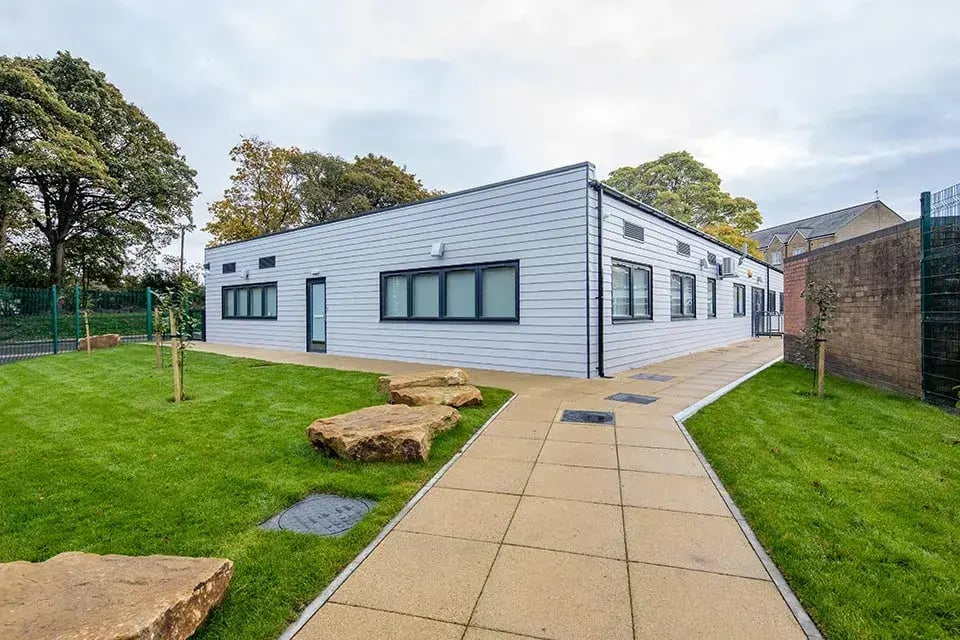
At Broomgrove Infant & Junior School in Essex, a turnkey modular project delivered replacement classroom accommodation, with groundworks, drainage, installation, internal fit-out, and external works forming part of the wider delivery programme.
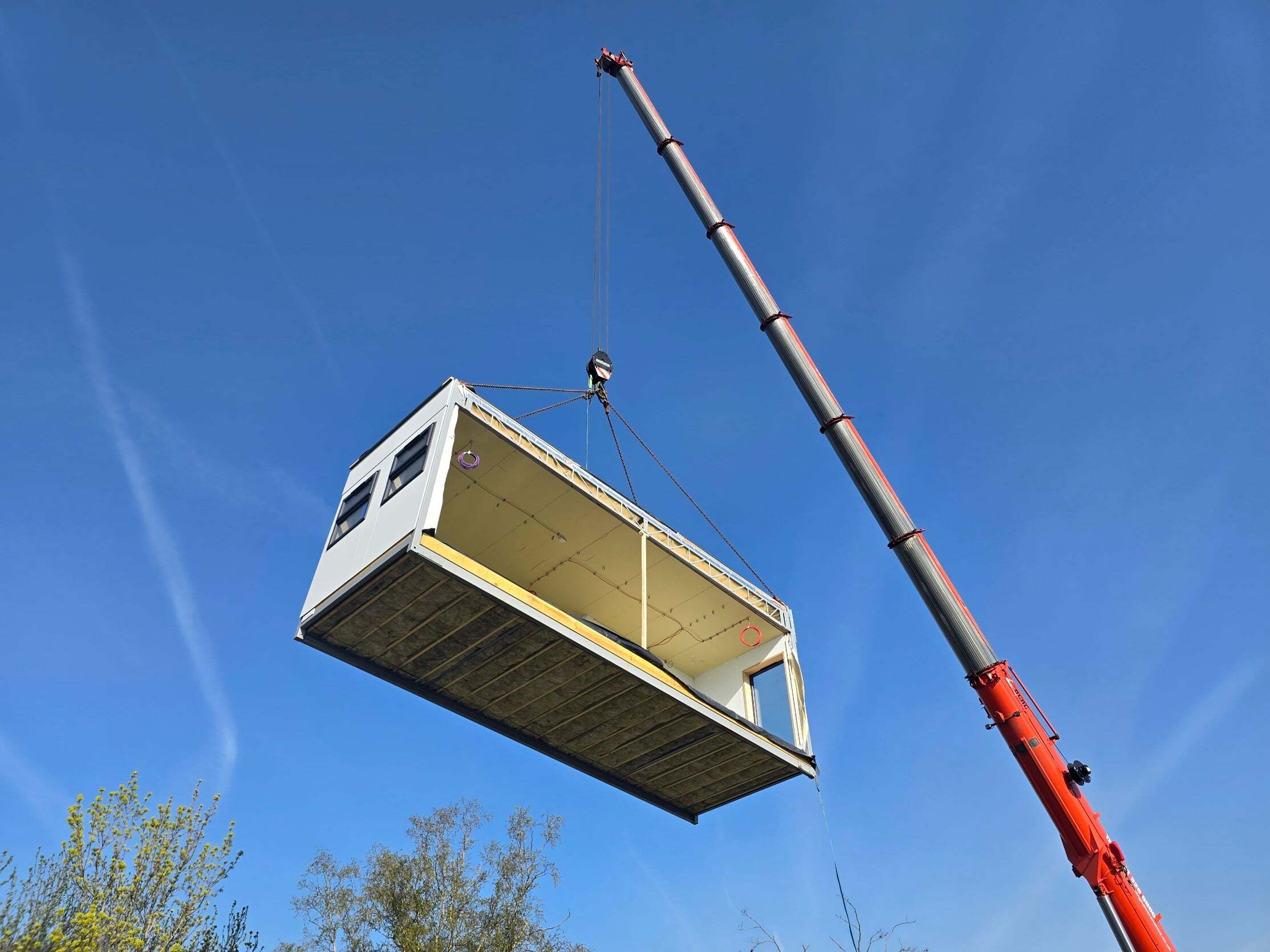
At Heckmondwike Grammar School, careful logistical planning was required around site access and crane operations, demonstrating how experience can help identify and manage practical risks before installation begins.
At Ravenscliffe Sports College, modular SEND accommodation created additional specialist teaching space, demonstrating experience delivering facilities with requirements beyond standard classroom provision.
Together, these projects demonstrate different aspects of experience: coordinating turnkey delivery, managing installation logistics, and understanding specialist environments.
When assessing modular building providers in the UK, organisations should therefore consider how closely previous projects reflect their own requirements.
Experience Supports Realistic Project Programmes
Speed is frequently highlighted as an advantage of modular construction because off-site manufacturing can take place while enabling works progress on-site.
However, faster construction still requires careful planning. Surveys, design approvals, planning, procurement, manufacturing, groundworks, transport, and installation all need to align.
Experienced modular building companies should be able to develop realistic programmes based on the actual requirements of a project rather than generic delivery timescales.
Previous experience can help identify where programme risks may occur, which decisions need to be made early, and how manufacturing and site activity need to be coordinated. This can provide greater programme certainty and reduce the risk of avoidable delays.
How Can You Assess A Modular Building Company's Experience?
Rather than simply asking how many years a company has been operating, organisations should look for evidence that its experience is relevant to their project.
Consider whether the provider can demonstrate similar projects, experience within your sector, delivery in live or constrained environments, and the ability to manage the level of project complexity required.
Case studies, completed projects, and client references can all provide useful evidence.
For a broader checklist when comparing providers, read what to look for when choosing modular building companies.
Choosing Experience Can Help Create Greater Project Certainty
Modular construction can provide an effective way to create additional space, replace ageing facilities, or expand existing estates. However, successful delivery depends on more than choosing modular construction itself.
Selecting an experienced provider can help reduce risk by ensuring site constraints, compliance requirements, logistics, design coordination, and installation are considered from the outset.
The most suitable modular building companies should demonstrate not only that they can manufacture a high-quality building, but that they understand how to manage the challenges surrounding its delivery.
For organisations comparing UK modular building providers, relevant experience, proven project delivery, and technical expertise can provide greater confidence that risks will be identified early and the project managed effectively through to handover.
Planning a modular building project? Speak to our team about your requirements and how we can support your project from initial feasibility through to delivery.


10 Questions To Ask Modular Building Companies Before Starting A Project
What to Look for When Choosing Modular Building Companies
No Comments Yet
Let us know what you think