


When choosing a modular building company, organisations should assess experience, procurement options, compliance expertise, quality standards, project delivery capability, and long-term support. Asking the right questions can help identify the most suitable modular building company for your requirements while reducing procurement risk and improving project outcomes.
Why Asking The Right Questions Matters
Selecting a modular building supplier is one of the most important decisions in any construction project. While modular construction can offer significant advantages in terms of speed, quality, sustainability, and reduced site disruption, the success of a project will often depend on the experience and capabilities of the supplier delivering it.
Whether the project involves a school building, healthcare facility, commercial workspace, veterinary clinic, or another specialist environment, organisations should undertake thorough due diligence before appointing a contractor. Asking the right questions during the supplier evaluation process can help identify potential risks, compare suppliers more effectively, and ensure the chosen partner is capable of delivering a successful outcome.
For public sector organisations in particular, selecting the right modular building company is not simply a construction decision; it is also a procurement decision that can influence compliance, project risk, programme certainty, and long-term value.
The Key Questions Every Organisation Should Ask
Choosing a modular building company involves far more than comparing prices or delivery programmes. Organisations should carefully evaluate suppliers to understand not only what they can build, but how they manage quality, compliance, procurement, and project delivery.
When evaluating modular building companies, organisations should focus on:
- Experience delivering similar projects
- Quality standards and accreditations
- Compliance and regulatory expertise
- Procurement routes and framework availability
- Programme management and delivery capability
- Experience working on live operational sites
- Design flexibility and future adaptability
- Warranties, aftercare, and ongoing support
- References and proven project outcomes
The following questions can help organisations compare suppliers more effectively and make a more informed procurement decision.
1. What Experience Do You Have Delivering Similar Projects?
Not all modular building companies specialise in the same sectors. A contractor with extensive experience delivering classrooms may not necessarily have the expertise required for healthcare facilities, veterinary clinics, laboratories, or commercial buildings.
Ask potential suppliers:
- Have you delivered projects similar to ours?
- Can you provide relevant case studies?
- Do you have experience working within our sector?
- Can we visit completed projects?
Reviewing previous projects provides valuable insight into design capabilities, quality standards, and experience overcoming sector-specific challenges.
2. Do You Provide a Full Turnkey Service?
Some modular building companies provide only the manufacture and installation of the building, while others offer a complete turnkey solution.
A turnkey service may include:
- Feasibility and design support
- Planning assistance
- Groundworks
- Building Regulations compliance
- Manufacture and installation
- Internal fit-out
- External works
- Final handover
Understanding exactly what is included within the supplier's scope can help avoid unexpected costs, programme delays, and gaps in responsibility.
For organisations with limited in-house construction expertise, a turnkey approach can simplify project delivery by providing a single point of accountability throughout the project lifecycle.
3. What Quality Standards And Accreditations Do You Hold?
Quality assurance should be a key consideration when choosing a modular building company.
Questions to ask include:
- What quality management systems do you operate?
- Which industry accreditations do you hold?
- How is quality controlled during manufacture?
- What inspections take place before delivery?
Factory-controlled construction environments can help improve consistency and reduce defects, but robust quality management processes remain essential for achieving reliable outcomes.
Organisations should also review relevant certifications and quality assurance procedures that demonstrate a supplier's commitment to maintaining high standards throughout the design, manufacture, and installation process.
4. How Do You Ensure Compliance With Building Regulations?
Modular buildings must meet the same regulatory requirements as traditionally constructed buildings.
Depending on the project type, organisations should ask how suppliers address:
- Building Regulations compliance
- Fire safety requirements
- Accessibility standards
- Energy efficiency targets
- Structural performance
- Sector-specific regulations
A knowledgeable supplier should be able to explain compliance requirements clearly and demonstrate how they are incorporated throughout the design and construction process.
This is particularly important for education, healthcare, and public sector projects where regulatory requirements can be especially demanding.
5. What Procurement Routes Are Available And How Can They Reduce Risk?
Procurement is often one of the most important considerations for public sector organisations.
Many modular building companies operate through established procurement frameworks, providing a compliant route to market while reducing procurement timescales and administrative burden.
Questions worth asking include:
- Which frameworks are you appointed to?
- Can our project be procured through a framework?
- What procurement options are available?
- How can procurement timescales be reduced?
- How does your procurement route help manage risk?
Framework procurement can often simplify project delivery while providing confidence around supplier capability, quality standards, and pre-vetted commercial arrangements.
Organisations should review a supplier's frameworks and accreditations to understand which procurement routes are available and whether they align with internal procurement requirements.
6. How Will The Project Programme Be Managed?
One of the key advantages of modular construction is programme certainty. However, organisations should still understand how delivery timelines are managed.
Ask suppliers:
- What is the expected programme?
- What activities are undertaken offsite?
- What work is required on site?
- What factors could affect delivery timescales?
- How is project progress communicated?
An experienced modular building contractor UK organisations can rely on should be able to provide a realistic programme and explain how risks are managed throughout delivery.
Programme certainty is particularly important where projects are linked to funding deadlines, academic calendars, healthcare service requirements, or operational business needs.
7. How Do You Manage Live Operational Environments?
Many modular projects take place on occupied sites, including schools, hospitals, veterinary clinics, offices, and public sector facilities.
It is important to understand how contractors will minimise disruption during construction.
Questions may include:
- How will site operations be maintained?
- What safeguarding procedures are in place?
- How is health and safety managed?
- How will deliveries and installation activities be coordinated?
This is particularly important where daily operations must continue throughout the project.
Reviewing projects delivered on live sites can help organisations understand how suppliers manage disruption, access restrictions, safeguarding requirements, and operational continuity.
8. What Level Of Design Flexibility Is Available?
Modern modular buildings can be highly bespoke, but design capabilities vary between suppliers.
Ask potential contractors:
- Can the building be customised to our requirements?
- Are future extensions possible?
- What options are available for internal layouts?
- Can specialist spaces be incorporated?
Understanding design flexibility early helps ensure the completed building aligns with both current and future operational needs.
This can be particularly valuable where organisations anticipate future growth, service expansion, or changing operational requirements.
9. What Warranties and Aftercare Support Are Provided?
Organisations should ask:
- What warranties are included?
- What aftercare support is available?
- How are defects managed?
Clear aftercare arrangements provide reassurance and help protect the long-term value of the investment.
A supplier's commitment to support after handover can be just as important as the initial construction phase.
10. Can You Demonstrate Successful Project Delivery?
One of the best ways to evaluate modular building companies is to review evidence of previously completed projects.
While proposals and presentations provide useful information, organisations should look for examples that demonstrate a supplier's ability to successfully deliver projects of a similar size, complexity, and sector.
Questions to ask include:
- Can you provide relevant case studies?
- Do you have examples of similar projects?
- Are client testimonials available?
- Have you delivered projects for organisations like ours?
- Can we view completed buildings or project photography?
Reviewing project examples can provide valuable insight into design quality, project management capability, compliance expertise, and experience working within specific sectors.
For example, a school may wish to review completed classroom or SEND facilities, while a healthcare organisation may focus on clinical or specialist healthcare environments. Commercial organisations may look for evidence of office, workspace, or operational facility projects.
The strongest modular building companies can demonstrate a proven track record through completed projects, case studies, client testimonials, and long-term relationships within their chosen sectors.
Project Examples Can Reveal More Than A Proposal
While proposals, presentations, and tender submissions provide useful information, completed projects often provide the clearest indication of a supplier's capabilities.
Case studies can demonstrate:
- Experience within specific sectors
- Ability to manage complex site constraints
- Compliance with relevant regulations
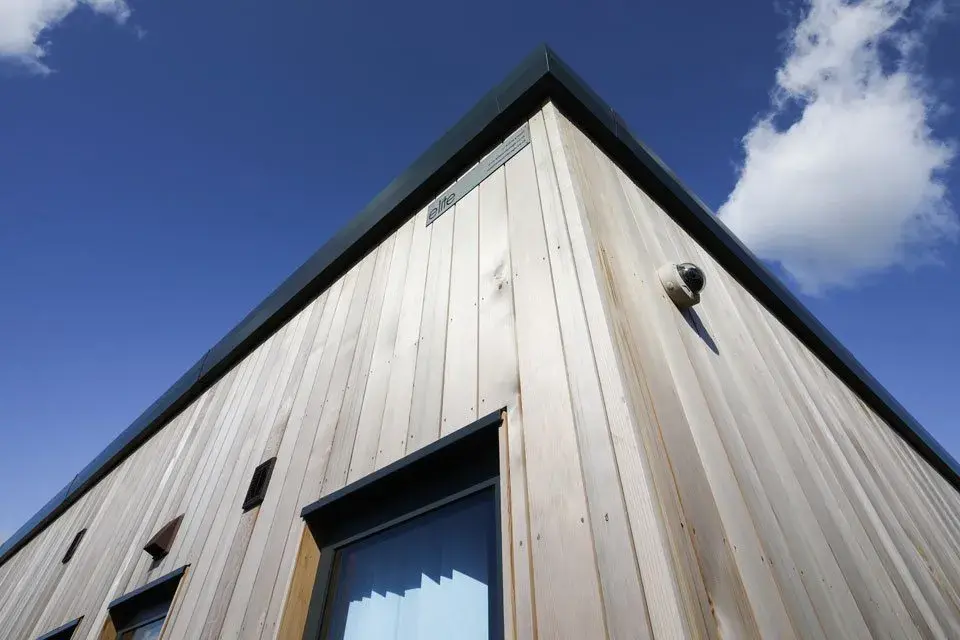
- Quality of design and finishes
- Experience delivering projects in live operational environments
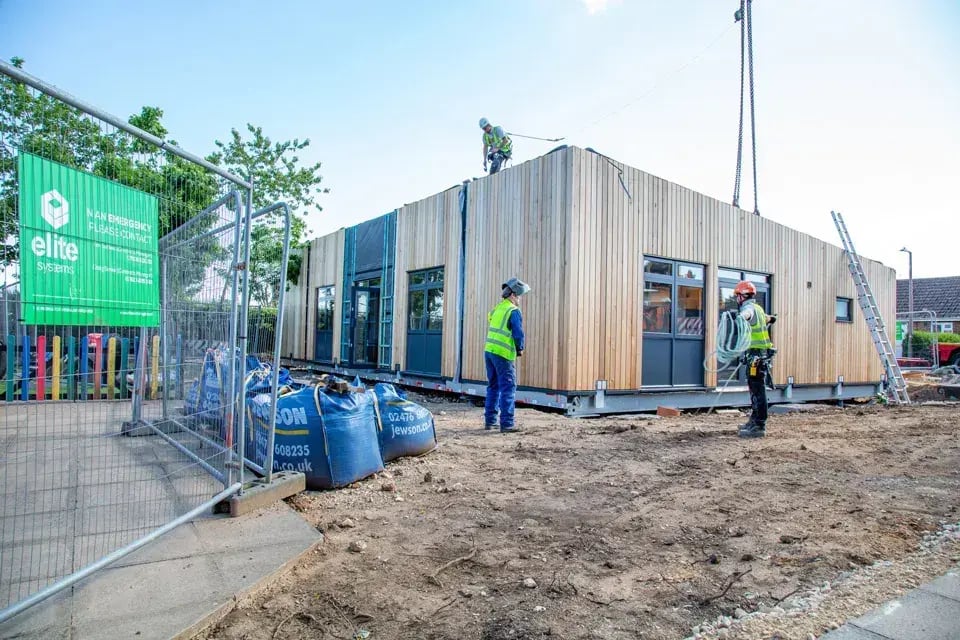
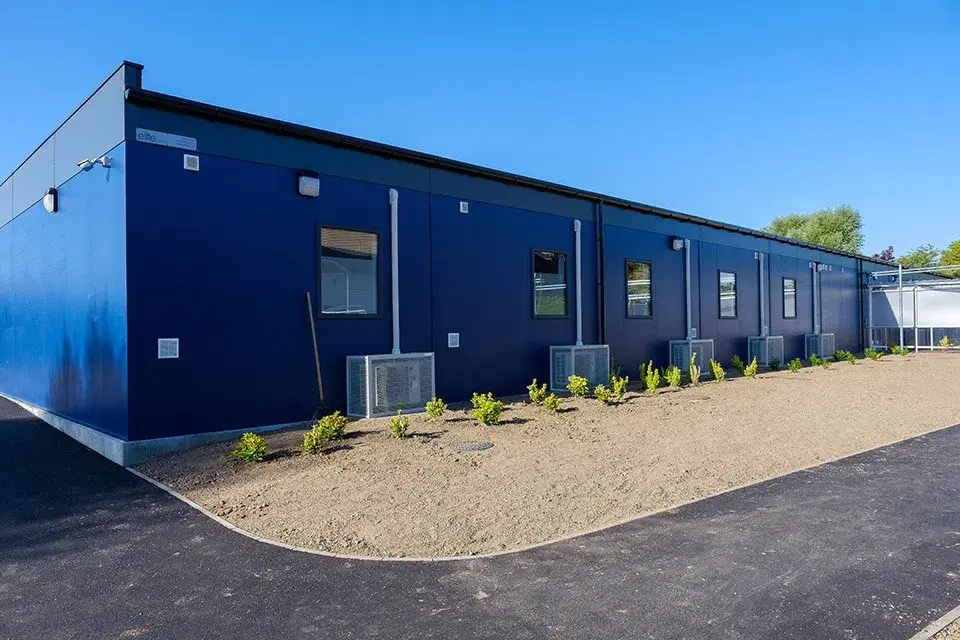
For example, the SEND Modular Classroom at Wyken Croft Primary School highlights the importance of safeguarding, accessibility, and minimising disruption within a live education setting. Similarly, the Market Cross Veterinary Clinic Extension demonstrates how modular construction can be used to expand specialist healthcare environments for animals while maintaining day-to-day operations.
Reviewing case studies alongside references and project visits can help organisations make more informed decisions when choosing a modular building company.
Choosing The Right Modular Building Partner
Choosing a modular building company involves more than comparing costs or programme durations. Organisations should evaluate experience, compliance expertise, quality assurance processes, procurement options, project delivery capability, and long-term support arrangements.
When comparing modular building companies, organisations should look for evidence of successfully completed projects, relevant sector experience, recognised accreditations, and a proven ability to deliver buildings that meet operational and regulatory requirements.
For organisations choosing a modular building company through a formal procurement process, reviewing case studies, references, framework appointments, and quality credentials can help reduce risk and support more informed supplier selection.
A well-chosen modular building contractor UK organisations can rely on will provide not only a building, but also the expertise, guidance, and project certainty needed to support a successful project from concept through to completion.
If you are planning a modular building project, speak with an experienced modular building specialist early in the process to help clarify procurement options, project requirements, budgets, and delivery timescales before moving forward.
What to Look for When Choosing Modular Building Companies

Why Experience Matters When Choosing Modular Building Companies
No Comments Yet
Let us know what you think