

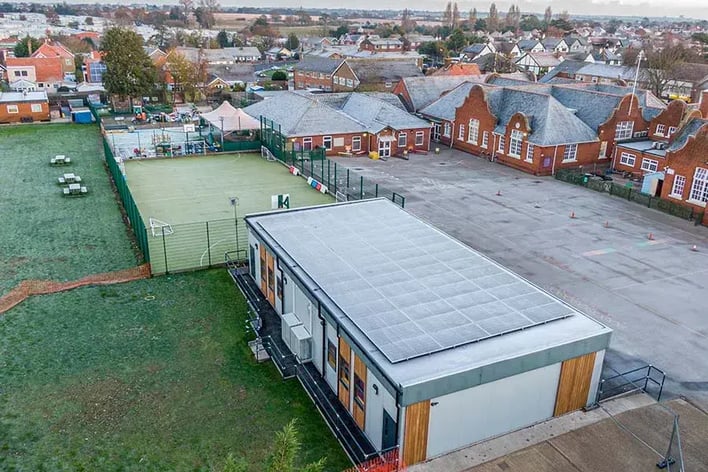
Are Modular Buildings Suitable For Multi-Use School Facilities?
Yes. Modular buildings for schools are ideal for multi-use facilities because they can be designed to support assemblies, dining, PE lessons, performances, examinations, group learning, and community activities within a single flexible space. Their adaptable layouts allow schools and academy trusts to maximise estate efficiency while responding to changing educational requirements.
As schools face growing pressure on space, budgets, and pupil capacity, the need for versatile learning environments continues to increase. Modular buildings provide a practical solution by creating spaces that can serve multiple purposes throughout the day, helping educational organisations make better use of their estates without compromising on quality or functionality.
The Growing Demand For Flexible School Buildings
Educational environments must be able to respond to changing requirements over time. Whether accommodating fluctuating pupil numbers, introducing new learning programmes, expanding extracurricular provision, or supporting community engagement, schools need buildings that can evolve alongside their operational needs.
Flexible school buildings provide the adaptability required to meet these challenges. Rather than constructing separate facilities for different activities, schools can create versatile spaces capable of supporting a variety of functions throughout the school day.
For example, a space used for morning assembly may become a dining hall at lunchtime, host PE activities during the afternoon, and support after-school clubs or community groups in the evening.
This approach improves space utilisation while delivering greater long-term value from capital investment.
Creating Shared Activity Spaces With Modular Construction
Shared activity spaces play an increasingly important role in modern school environments. These areas provide schools with flexible accommodation that can support learning, collaboration, wellbeing, and extracurricular activities.
Modular buildings for schools can be configured to create shared activity spaces that support:
- Small group learning sessions
- Intervention and support programmes
- SEND activities
- Staff training and professional development
- Student wellbeing initiatives
- Creative arts and enrichment activities
- Community and stakeholder engagement
Because these spaces can accommodate multiple uses, schools can respond more effectively to changing requirements without needing dedicated rooms for every activity.
For academy trusts managing multiple sites, flexible school buildings can also help create consistent, adaptable environments across their estate.
Adaptable Layouts Create Long-Term Value
Flexibility starts with good design. Modular buildings for schools can be configured to support a range of activities while maintaining comfortable and effective learning environments.
Design features may include:
- Open-plan layouts
- Movable partition walls
- Integrated storage solutions
- Flexible seating arrangements
- Acoustic treatments
- Multi-purpose flooring systems
- Dedicated breakout and support spaces
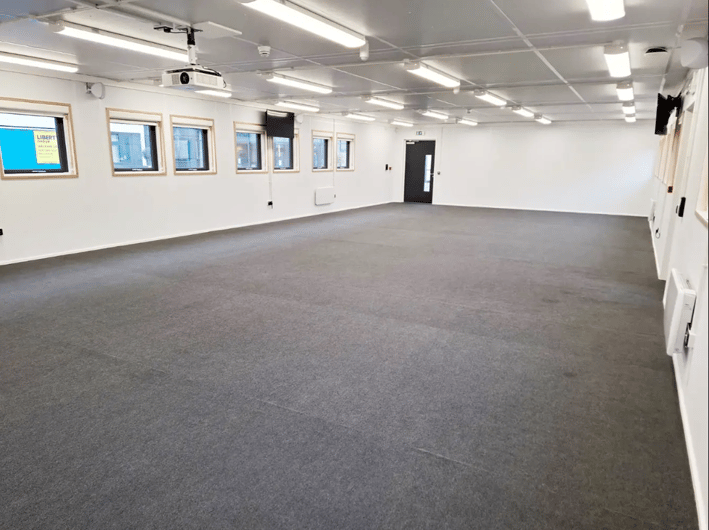
These features enable schools to reconfigure spaces quickly as requirements change throughout the day, helping maximise the usability of the building.
As educational priorities evolve, adaptable buildings can continue to support changing operational needs without requiring significant refurbishment or alteration.
How Schools Are Using Modular Multi-Use Buildings
Schools and academy trusts are increasingly using modular buildings for schools to create facilities that support multiple activities within a single building.
Common applications include:
- Modular school halls
- Assembly and performance spaces
- Dining facilities and canteens
- Indoor sports and activity areas
- Drama and music facilities
- Examination venues
- Community-use buildings
- Staff training and meeting spaces
- Learning resource centres
A modular building may support assemblies before lessons begin, provide dining facilities during lunchtime, host PE sessions throughout the afternoon, and accommodate extracurricular activities or community groups after school hours.
This level of flexibility helps schools maximise utilisation rates while delivering greater value from available estate space.
Schools considering similar solutions can explore a range of education projects that demonstrate how modular construction is being used to create flexible learning environments across the UK.
Supporting Academy Trust Estate Strategies
For academy trusts managing multiple sites, flexibility is often a key consideration when planning capital projects.
Modular buildings for schools enable trusts to develop facilities that can be adapted to suit different schools while maintaining consistency in quality, compliance, and performance. Whether delivering additional teaching accommodation, modular school halls, or shared activity spaces, modular construction provides a scalable solution that can support long-term estate strategies.
Benefits can include:
- Efficient use of capital budgets
- Faster project delivery
- Reduced disruption to teaching and learning
- Scalability across multiple sites
- Adaptability for future growth
This makes modular construction an attractive option for trusts seeking to improve facilities while maintaining operational continuity across their estate.
Making Better Use Of Limited Space
Many schools operate on constrained sites where expansion opportunities are limited. Creating separate buildings for every activity is often neither practical nor affordable.
Multi-use modular buildings for schools help maximise the value of available space by accommodating multiple functions within a single footprint.
For example, a modular school hall can serve as an assembly space in the morning, a dining area at lunchtime, a PE facility during lessons, and a venue for extracurricular activities after school. Shared activity spaces can also support interventions, group learning, staff training, and community use without requiring additional dedicated buildings.
This flexibility enables schools to support a wider range of activities while making more efficient use of their estate.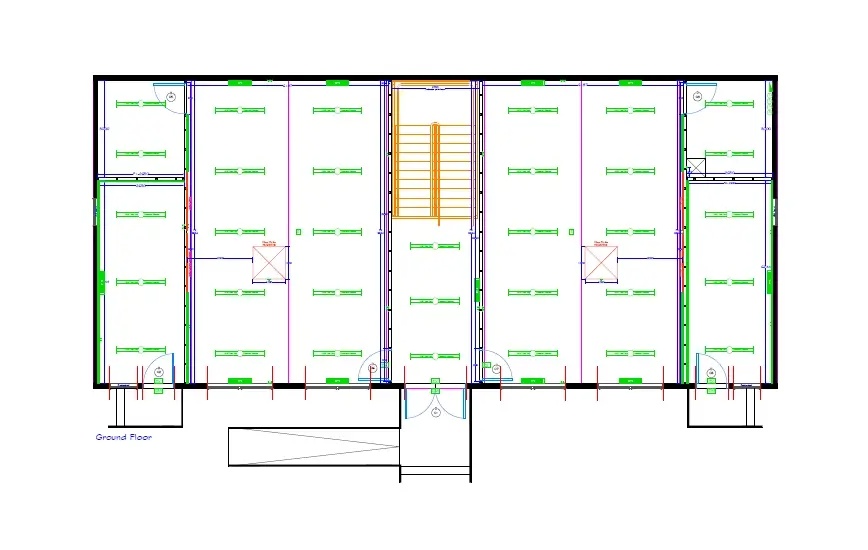
Faster Delivery With Reduced Disruption
One of the key advantages of modular buildings for schools is the ability to minimise disruption within live educational environments.
Because a significant proportion of the building is manufactured offsite, installation programmes are typically shorter than traditional construction methods. This helps schools maintain normal operations while improvement works are carried out.
Benefits include:
- Reduced on-site construction activity
- Improved programme certainty
- Enhanced health and safety management
- Shorter delivery programmes
- Less disruption to staff and pupils
For schools operating within strict academic calendars, this can be particularly valuable when delivering estate improvements.
Creating Facilities That Support Schools And Communities
Modern schools increasingly serve as hubs for their local communities. As a result, facilities often need to accommodate activities beyond the school day.
Flexible school buildings can support:
- Community groups
- Sports clubs
- Adult education programmes
- Parent engagement events
- Holiday activities
- Staff development sessions
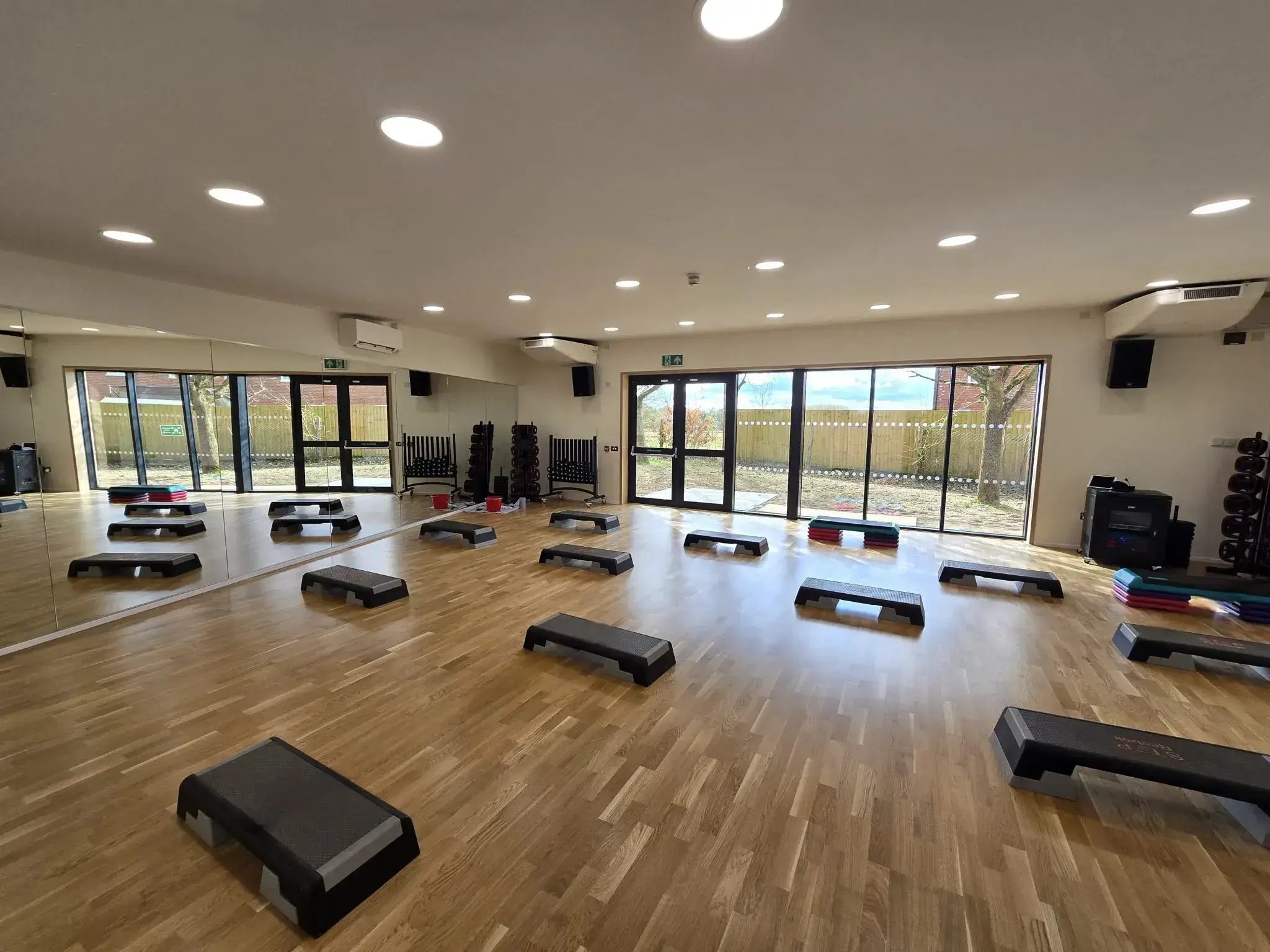
Modular school halls are particularly well suited to this role because they can support a wide range of users throughout the day and into the evening.
Providing flexible facilities that remain active beyond school hours helps schools maximise the value of their investment while strengthening community engagement.
Related Education Projects
Every school has unique operational requirements, but the principles of flexibility, efficient space utilisation, and future adaptability remain consistent across the education sector.
Explore these education projects to see how modular buildings for schools are helping educational organisations create modern, high-quality learning environments:
These projects demonstrate how modular construction can be tailored to meet a wide range of educational needs while minimising disruption and supporting long-term estate strategies.
A Flexible Solution For Modern Education
As schools and academy trusts continue to face pressures around capacity, budgets, and evolving educational requirements, modular buildings for schools provide a practical and future-focused solution.
From modular school halls and shared activity spaces to dining facilities, assembly areas, and community-use buildings, flexible school buildings enable educational organisations to make better use of their estates while supporting a wide range of activities throughout the day.
By combining adaptability, efficient delivery, and long-term value, modular buildings for schools offer an effective way to create high-quality environments that can evolve alongside the needs of pupils, staff, and communities.
Explore Our Education Project Portfolio
If you are planning a new school hall, shared activity space, classroom expansion, or wider estate improvement project, exploring completed projects can provide valuable insight into what is possible.
Visit our Education Projects portfolio to see how schools and academy trusts across the UK are using modular construction to create flexible, future-ready learning environments that support both current requirements and long-term growth.
If you would like to discuss a modular building project for your school or academy trust, our team is available to provide advice and guidance on the most suitable solution for your requirements. Book meeting here.

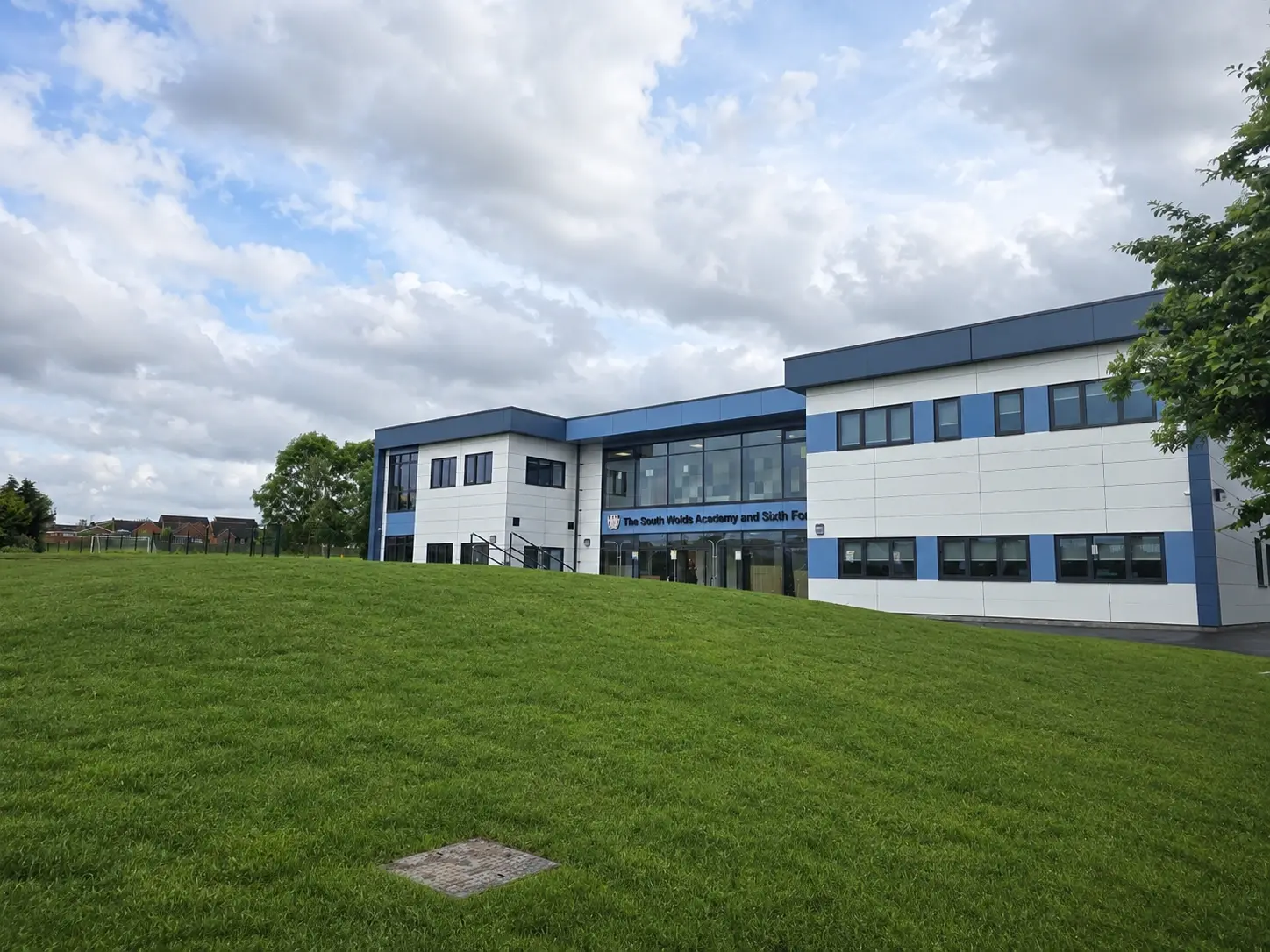
How Modular Buildings Help Schools Future-Proof Their Estates
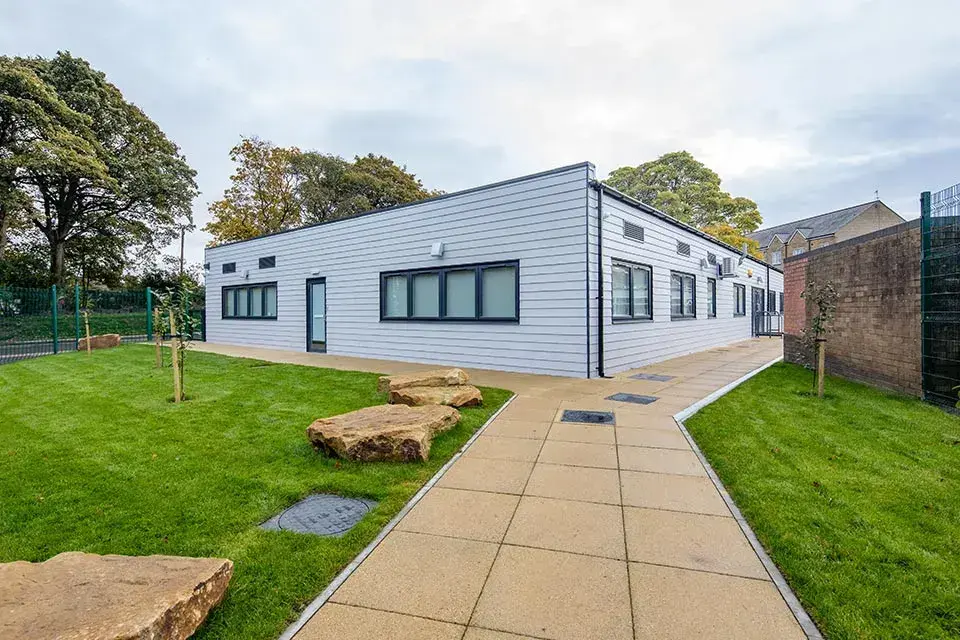
How Modular Buildings Help Schools Respond to Growing Demand for SEND Provision
No Comments Yet
Let us know what you think