

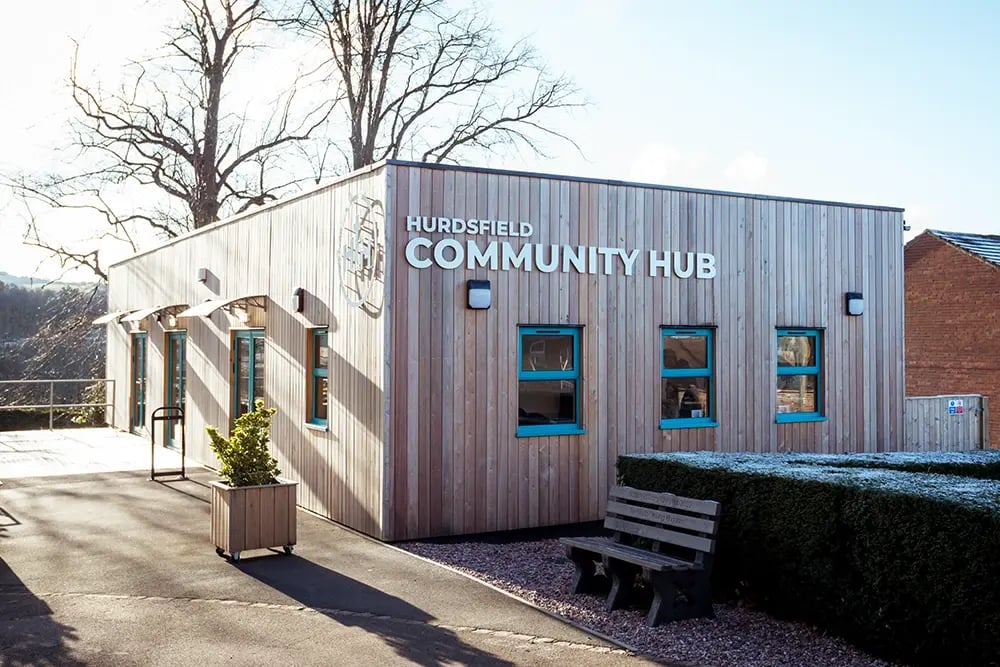
Modular community buildings are increasingly being used to deliver flexible, long-lasting spaces for local communities. From community halls and youth centres to shared public spaces, they offer councils and community organisations a practical way to create buildings that work today and continue to serve people well into the future.
Rather than acting as short-term fixes, modular community buildings are designed for long-term use. They support changing needs, make effective use of public budgets, and help communities access welcoming, well-designed spaces without long construction programmes. In this blog, we look at how modular community buildings are being used successfully, why they work well for public spaces, and how they can support communities both now and into the future.
Why Modular Buildings Work Well For Community Use
Community buildings need to do a lot. They often host multiple groups, serve different age ranges, and adapt over time as local needs change.
Modular buildings for community use are well suited to this because they are designed with flexibility in mind. Spaces can be configured for activities, learning, meetings, or events, and adapted later if requirements change. This makes them a practical choice for councils planning facilities that need to stay useful for many years.
Modular Community Buildings Designed For Long-Term Public Use
One of the biggest misconceptions around modular construction is that it is temporary by nature. In reality, modular community buildings are increasingly specified and delivered as permanent public buildings.
They are built to meet the same standards as traditionally constructed buildings, with durable materials, robust structures, and finishes chosen for everyday use. This allows them to form part of a long-term estate strategy rather than acting as a temporary solution.
For public sector projects, this approach offers confidence that investment will continue to deliver value over time.
Adaptable Spaces That Support Changing Community Needs
Community use rarely stays static. A space used as a youth centre today may need to support adult learning, wellbeing services, or shared activities in the future.
Community centre modular buildings can be designed to allow for this change. Internal layouts can be reworked, spaces combined or divided, and services adapted as needs evolve. This adaptability helps ensure buildings remain relevant without requiring full replacement or major disruption.
Inclusive And Welcoming Modular Community Buildings
Public spaces should feel accessible, welcoming, and easy to use for everyone.
Modern modular community buildings are designed with inclusivity in mind. Good natural light, clear entrances, accessible layouts, and thoughtful internal design all contribute to spaces that feel open and comfortable. These details help community buildings feel established and well cared for, reinforcing their role as valued local facilities.
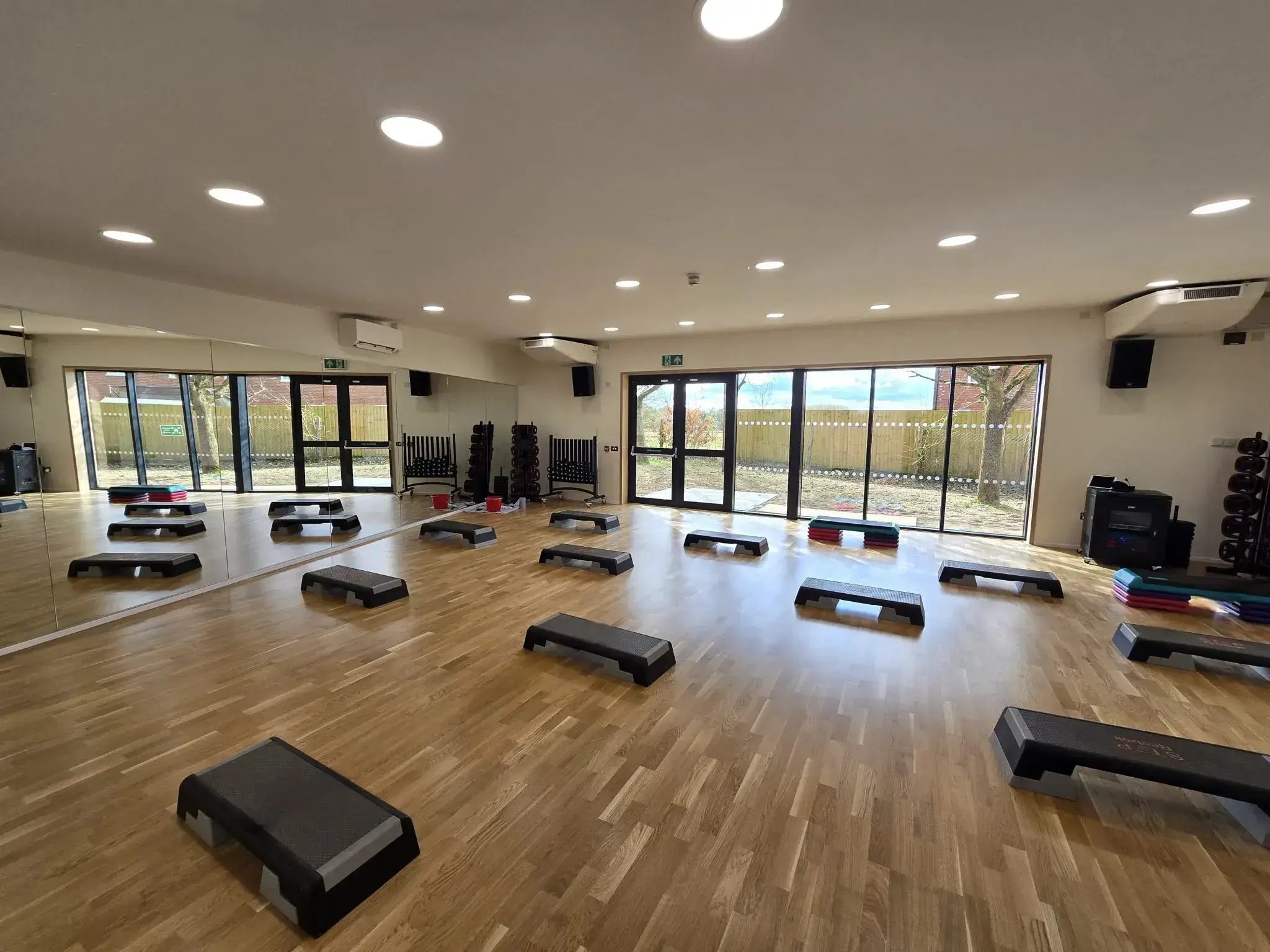
A good example of this in practice is the bespoke modular dance studio at Hungerford Leisure Centre. Designed as an extension to an existing public leisure facility, the building provides a high-quality studio space that supports a range of community activities while integrating seamlessly with the wider site. The project demonstrates how modular construction can enhance public spaces in a way that feels permanent, welcoming, and well considered.
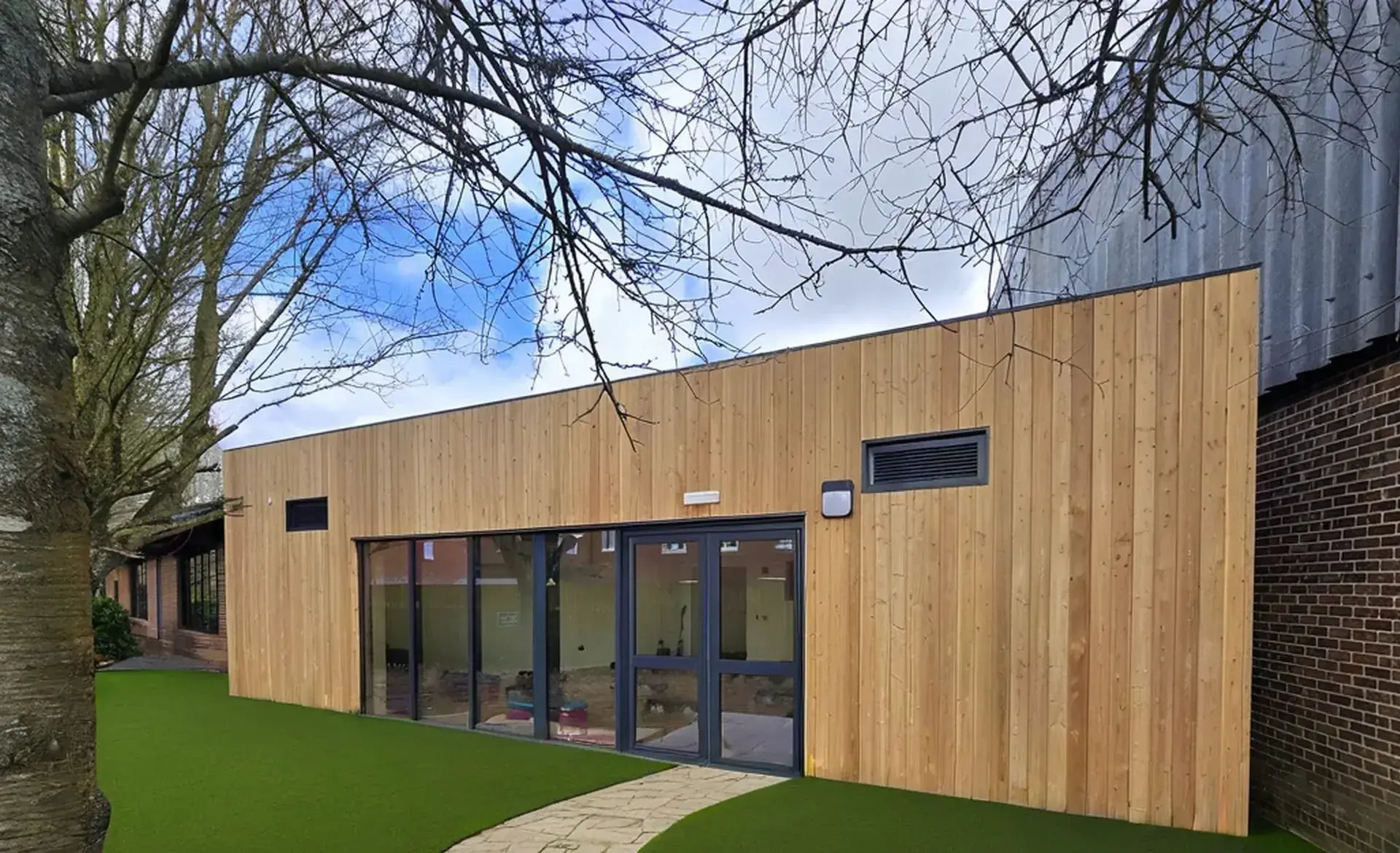
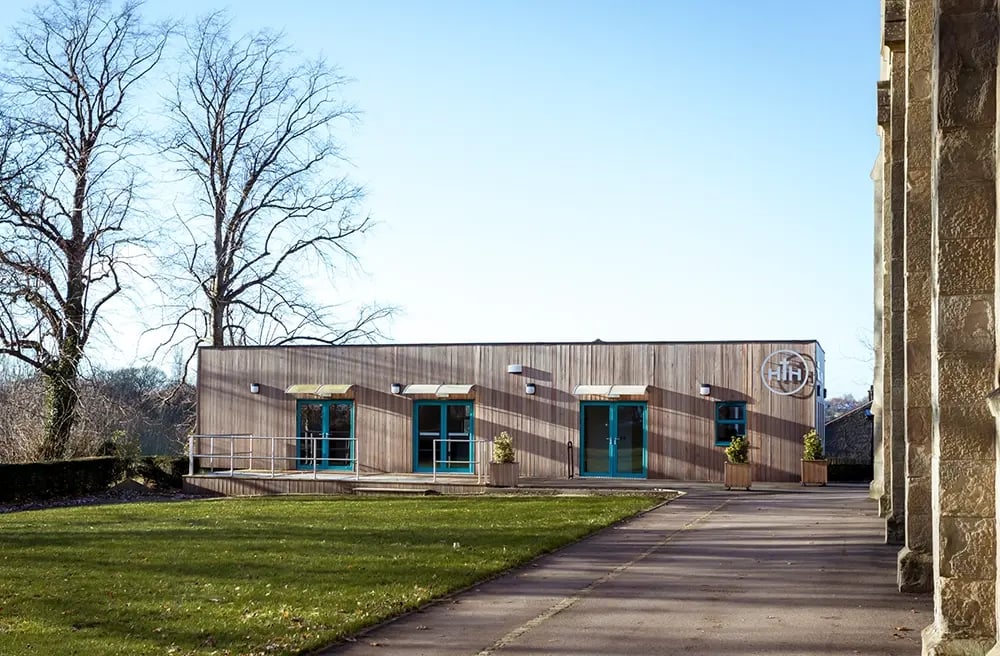
Another example is Holy Trinity Church where off-site construction has been used to overcome site constraints that otherwise would have made traditional foundations impractical. In this case, modular construction enabled the delivery of a functional and durable community facility while minimising disruption and respecting the character of the surrounding environment. It highlights how modular solutions can be applied successfully in sensitive, community-focused settings.
Value For Money Without Compromising Quality
Budgets are a reality for councils and community organisations. Modular construction offers a clear advantage by providing cost certainty, shorter build programmes, and reduced disruption on site.
Just as importantly, value for money does not mean compromising on quality. With the right design approach, modular buildings can deliver durable, well-finished spaces that stand up to daily use and remain fit for purpose over the long term.
Supporting Communities Now And Into The Future
When designed properly, modular buildings are not a quick fix. They are long-term community assets that support local services, bring people together, and adapt as needs change.
Projects such as the leisure centre extension and church building shows how modular construction is already being used successfully to deliver inclusive, flexible public spaces that integrate into existing communities.
For councils and organisations looking to deliver flexible, inclusive, and durable facilities, modular construction offers a reliable and forward-looking approach to community building design.
Get in touch to explore how a modular building can meet your community space needs now and in the future.

Using Modular Buildings To Create Flexible Outpatient And Community Healthcare Spaces
Why Modular Buildings Are Ideal For Multi-Use School Facilities
No Comments Yet
Let us know what you think