


The complexity of modern construction projects, whether defined by tight deadlines, restricted plots or demanding technical specifications, demands a building method that prioritises adaptability without compromising compliance. For many main contractors, the unpredictability of traditional construction remains a consistent challenge, introducing risks to project certainty, quality assurance and cost control. Increasingly, solutions such as custom modular buildings are helping to address these challenges, offering flexibility and reliability where it’s needed most.

As the industry continues to push for faster delivery and dependable outcomes, modular construction has proven its ability to deliver both. By manufacturing modules off-site while site preparation is underway, project timelines can be reduced by up to 50% compared with traditional methods. This approach significantly lowers programme risk and minimises on-site disruption.
Modular construction is no longer a niche alternative, but a mainstream, high-performance solution for today’s most challenging build environments.
Let’s explore how flexible modular design, especially through flexible and bespoke approaches, address complex building challenges while supporting your role as the main contractor.
Flexible Modular Specialists Deliver Adaptable, Client-Focused Solutions
A modular partner specialising in ‘bespoke’ design, offers a level of flexibility and responsiveness that large corporate partners often cannot match. While many off-site manufacturers operate around standardised systems and repeatable module types, this approach can often limit adaptability when projects involve irregular layouts, technical complexity or unique performance requirements.
When overseeing projects with highly specific needs, collaborating with a modular partner who can tailor each element of the design and build process brings essential agility. This approach moves beyond standardised, “off-the-shelf” systems to deliver bespoke modular buildings precisely engineered to the project’s individual constraints.
Why this matters
- A bespoke modular specialist will engage early in the process, understanding specific site constraints, programme demands and compliance requirements.
- Because they are client-focused rather than system-driven, they can adapt module sizing, structural frames or service layouts to fit irregular plots or restricted access.
The result: rather than shoe-horning a standard module into your client’s site, the design is aligned around their needs, reducing risk of delays or costly redesign.
What to look for in a modular partner
- Proven track record of delivering bespoke modular buildings, on technically demanding sites.
- In-house design, manufacturing and site teams — so that the bespoke nature is controlled end-to-end.
- They use advanced 3D modelling and BIM technology to develop detailed designs, ensuring a perfect fit and allowing you to visualise the final product before manufacturing begins.
- Buildings backed by robust guarantees and structural warranties.
- They are an approved supplier on major public sector frameworks (like CCS and NHS SBS), streamlining the procurement process for government and public sector clients.
- Buildings are designed and manufactured to meet UK Building Regulations and industry standards
- They offer a choice of procurement options, including purchase, lease, and modular building hire.
Flexible Modular Design Fits Restricted Plots, Irregular Layouts or Phased Delivery
When the site is constrained, access is limited or your delivery schedule is phased, bespoke modular design means you don’t have to compromise on compliance or quality.
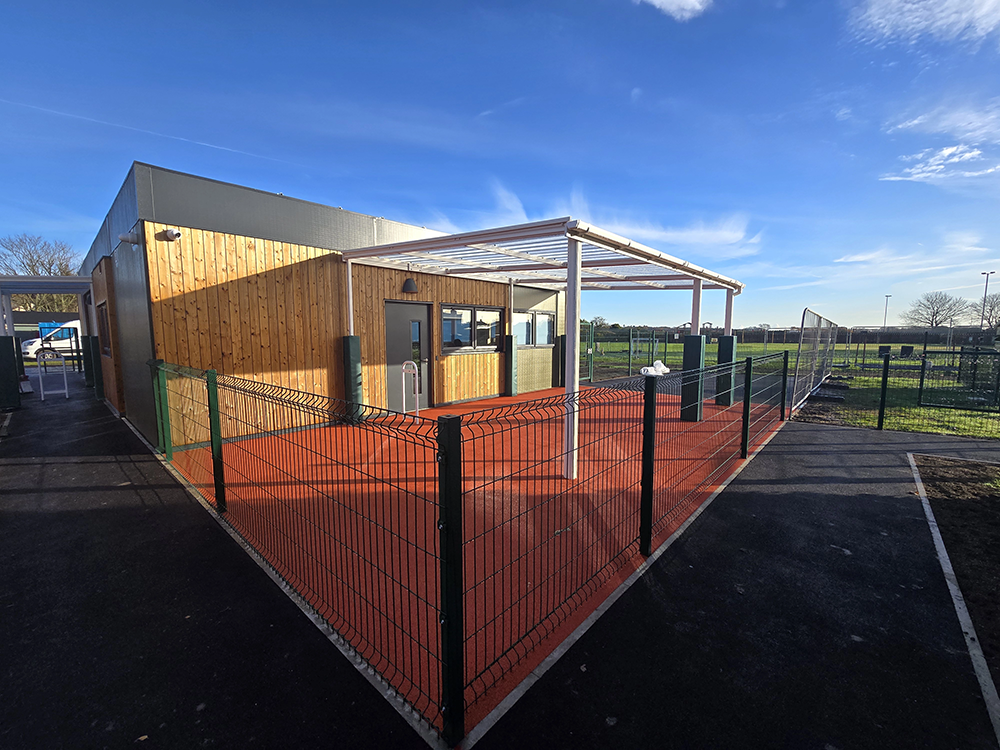
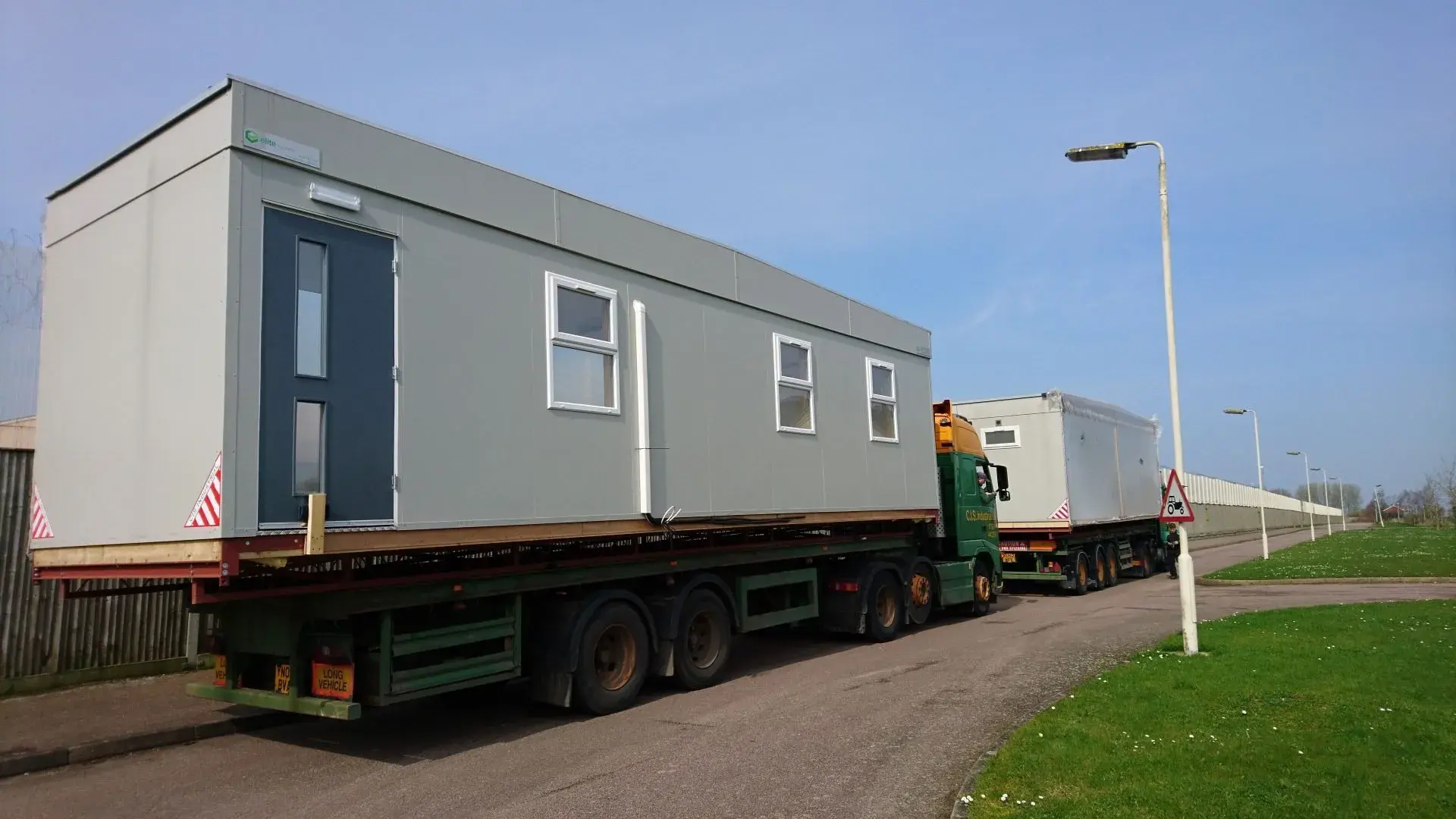
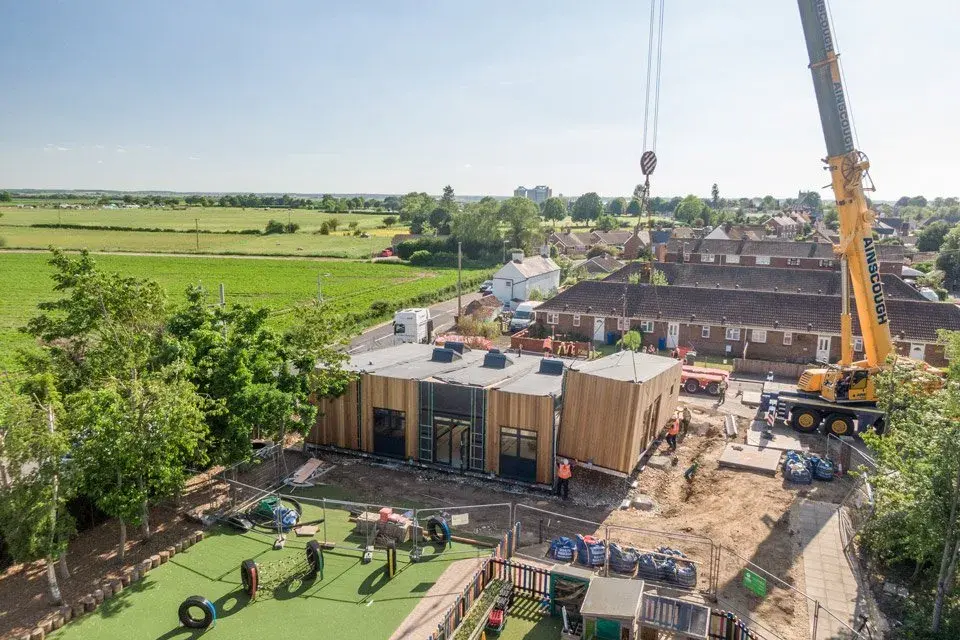
- Restricted plots: Modules can be manufactured to size and craned into place, meaning minimal on-site build duration and less disruption.
- Irregular layouts: Because modules can be tailored (rather than strictly standard), the design can wrap around existing structures, integrate offsets or align with unusual geometry.
- Phased delivery schedules: Manufacturing modules off-site allows site works (foundations, services) to proceed in parallel. Then modules are delivered and installed when needed, supporting phased occupation or handover.
- Quality and compliance: Modular manufacturing in controlled environments ensures high build quality, factory-tested components and a reduction in site-based risk.
Direct Communication & Hands-On Project Approach Prevent Costly Delays
When your modular partner is in constant dialogue and takes a hands-on approach, design or site challenges are resolved quickly — reducing risk of delay and cost escalation.
When managing numerous subcontractors, interfaces and responsibilities, clear and direct communication with your modular partner is essential.
On Time, To Specification, Designed Around Unique Needs
By combining flexibility in design with strong partnership, projects are completed on time, to specification, and designed around unique needs, achieving reduced build programmes through off-site manufacturing and parallel site works, where permanent modular buildings, temporary modular buildings or prefab portable buildings are constructed while site preparation is underway, resulting in up to 50% shorter timelines.
Why Bespoke Modular
Choosing a flexible, modular specialist gives you confidence in programme, cost and quality. It also demonstrates that you’ve selected a partner who can adapt to site constraints, manage interfaces and deliver the brief — whether through permanent modular buildings, temporary modular buildings or prefab portable buildings.
This assurance strengthens trust, reduces late-stage surprises and supports long-term relationships.
Turn Complex Projects Into Achievable Outcomes
Contact us to find out how our bespoke modular solutions can support your next project.
Will a Modular Building Pass Building Regulations? What You Need to Know
Modular Building Regulations in the UK: Will a Modular Building Comply?
No Comments Yet
Let us know what you think