

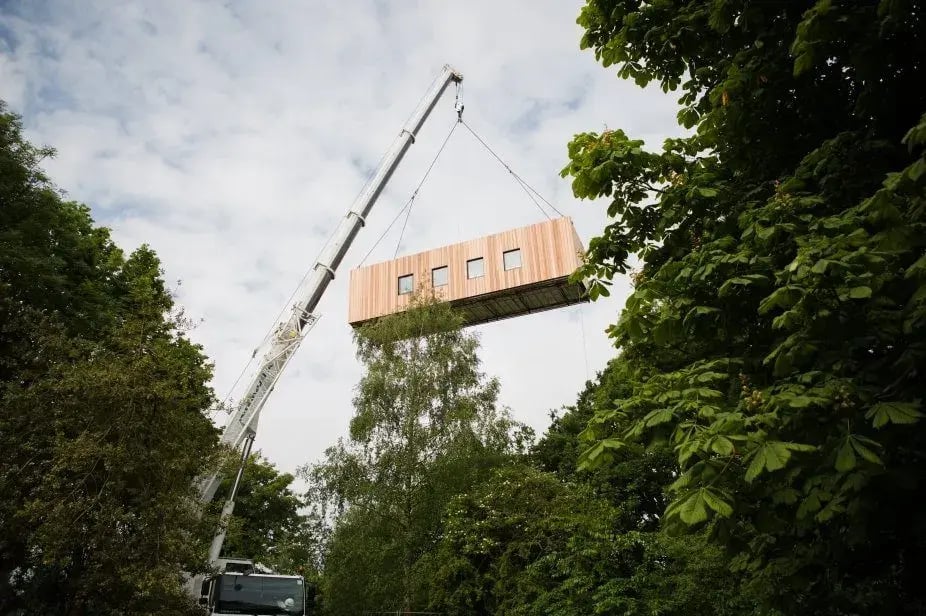
As healthcare providers focus more on delivering care in the community and through outpatient services, the need for flexible and easy-to-use clinical spaces is growing. This blog looks at how modular buildings are helping create healthcare environments that support local services, meet required standards, adapt as needs change, and minimise disruption to existing healthcare sites.
Modular construction is increasingly being used to support this shift, offering a practical way to deliver high-quality healthcare spaces. By combining speed, quality, and adaptability, modular healthcare facilities are helping providers respond to demand while planning for the long term.
Using Modular Buildings To Create Flexible Outpatient And Community Healthcare Spaces
Healthcare delivery is increasingly shifting beyond acute hospital settings and into local communities. Outpatient clinics, diagnostic hubs, and community-based services now play a central role in improving access to care and supporting population health. Modular healthcare facilities are increasingly being used to support this shift, offering a flexible and efficient way to deliver high-quality clinical environments closer to where patients live.
Modular construction has emerged as a practical solution for creating flexible, compliant healthcare environments that can be deployed closer to where care is needed. By combining speed, quality, and adaptability, modular healthcare facilities support the long-term delivery of outpatient and community services while minimising disruption to existing estates.
Making Community Healthcare More Accessible With Modular Buildings
Access to healthcare is a key challenge for many communities, particularly where patients need to travel long distances for routine appointments or outpatient care. Modular healthcare facilities make it easier to deliver services locally by supporting outpatient clinics and community health hubs in convenient, accessible locations.
By bringing care closer to home, modular buildings can help reduce pressure on central hospital sites and improve patient flow. This approach is increasingly being used to support local service delivery, including projects where modular facilities have been introduced to expand capacity and improve access without major changes to existing estates. Examples such as modular developments at Royal Bolton Hospital demonstrate how additional clinical space can be introduced to support patient access and service efficiency within a live healthcare environment.
Delivering Outpatient And Community Healthcare Faster With Modular Facilities
The ability to create clinical space quickly is increasingly important as demand for outpatient and community services grows. Modular healthcare facilities are manufactured off-site alongside site preparation, which can significantly shorten overall project timelines.
This faster approach allows services to open sooner and respond more effectively to changing needs. Manufacturing components in a controlled factory environment supports consistent build quality, helping ensure that speed does not come at the expense of safety, comfort, or patient experience.
A good example of this is the modular ward delivered at Royal Surrey County Hospital, which was completed in just 14 weeks.
Built To Meet Healthcare Standards From Day One
Any healthcare setting must meet strict requirements around safety, accessibility, and clinical use. Modular healthcare facilities are designed with these standards in mind from the outset, ensuring that spaces are suitable for delivering care as soon as they become operational.
Design decisions consider factors such as infection control, patient flow, staff movement, and inclusive access. Materials and building systems are chosen to support day-to-day clinical use and long-term durability, helping providers feel confident that modular buildings offer a reliable and lasting solution rather than a temporary fix.
Flexible Healthcare Spaces That Grow With Community Needs
Healthcare services are rarely static. As community needs change, facilities must be able to adapt without requiring extensive rebuilding or relocation. Modular healthcare facilities are designed to adapt, making it easier to reconfigure layouts, expand capacity, or repurpose spaces over time.
This flexibility supports sustainable estate planning by allowing providers to adjust facilities as needs change rather than replacing them. As a result, modular buildings can continue to support local healthcare services for many years while making more efficient use of space and resources.
Minimising Disruption When Expanding Community Healthcare Services
Introducing new healthcare facilities or expanding existing ones can be challenging, particularly in busy community settings or on active healthcare sites. Traditional construction can lead to prolonged disruption, noise, and restricted access, all of which can impact patients, staff, and nearby residents.
Modular healthcare facilities help reduce disruption by limiting the amount of work carried out on site. Shorter installation periods, fewer deliveries, and more predictable construction schedules help maintain access and continuity of care while new spaces are introduced.
Supporting The Future Of Community-Based Healthcare
As more care is delivered outside hospital settings, the need for adaptable and well-designed healthcare spaces will continue to grow. Modular healthcare facilities provide a practical way to support this shift, offering accessible, compliant, and flexible environments for outpatient and community services.
By enabling high-quality healthcare spaces to be delivered where and when they are needed, modular construction supports the long-term development of community healthcare while maintaining a focus on patient experience and operational efficiency.
Get in touch to discuss how modular healthcare facilities can support flexible, community-based care.

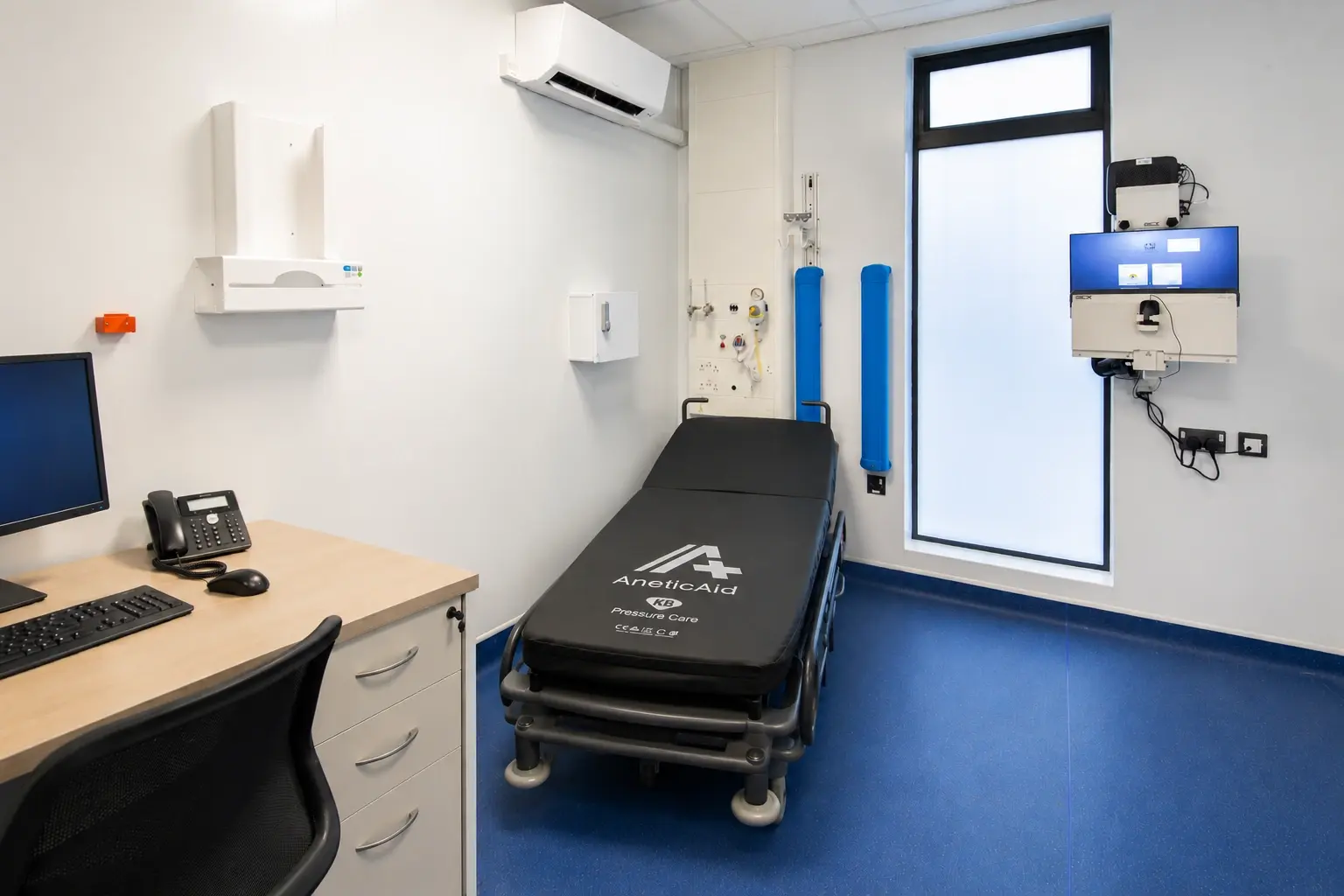
How Modular GP Surgery Buildings Can Be Designed Around The Patient Experience
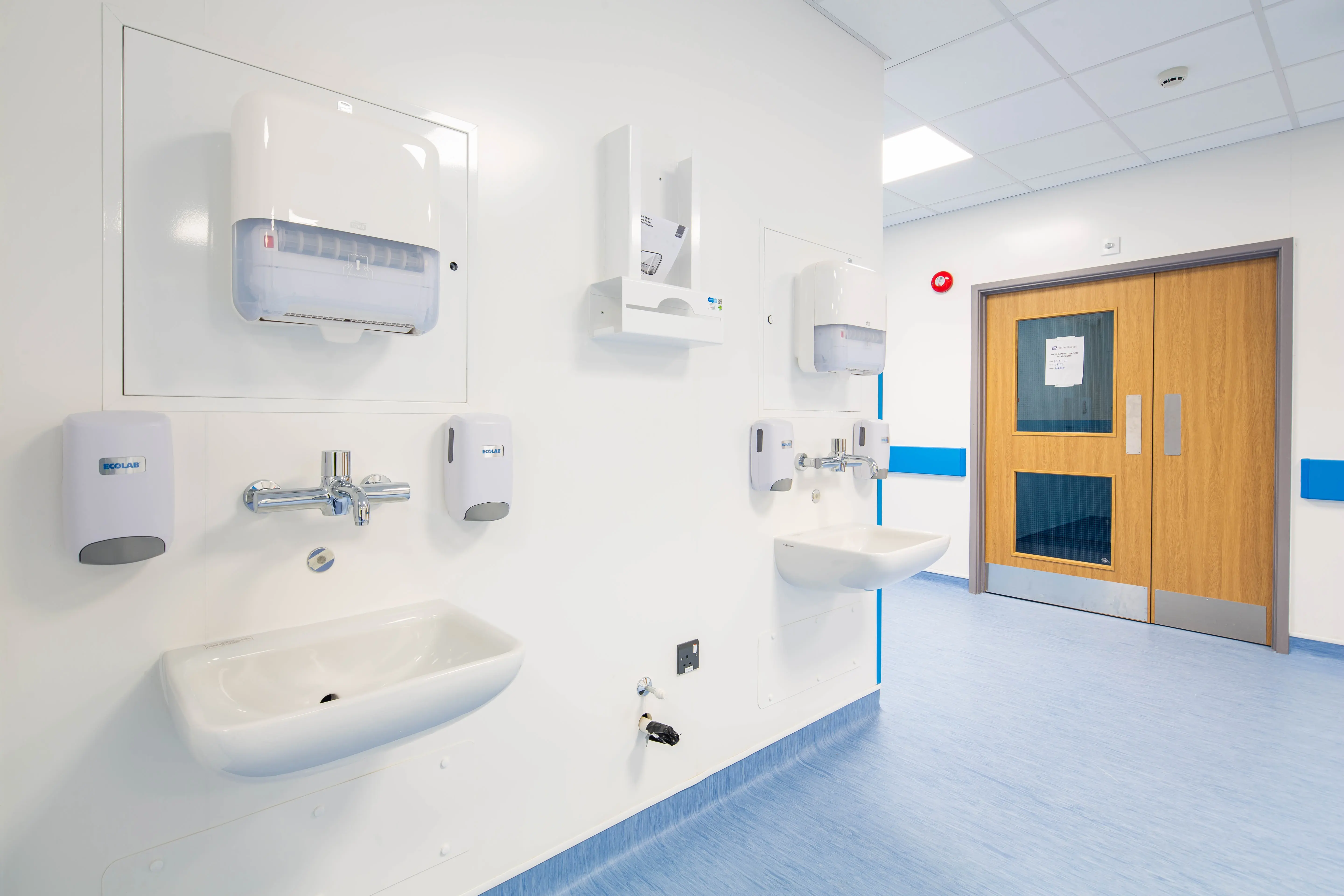
How Modular Hospital Buildings Support Infection Control In Modern Healthcare Design
No Comments Yet
Let us know what you think