

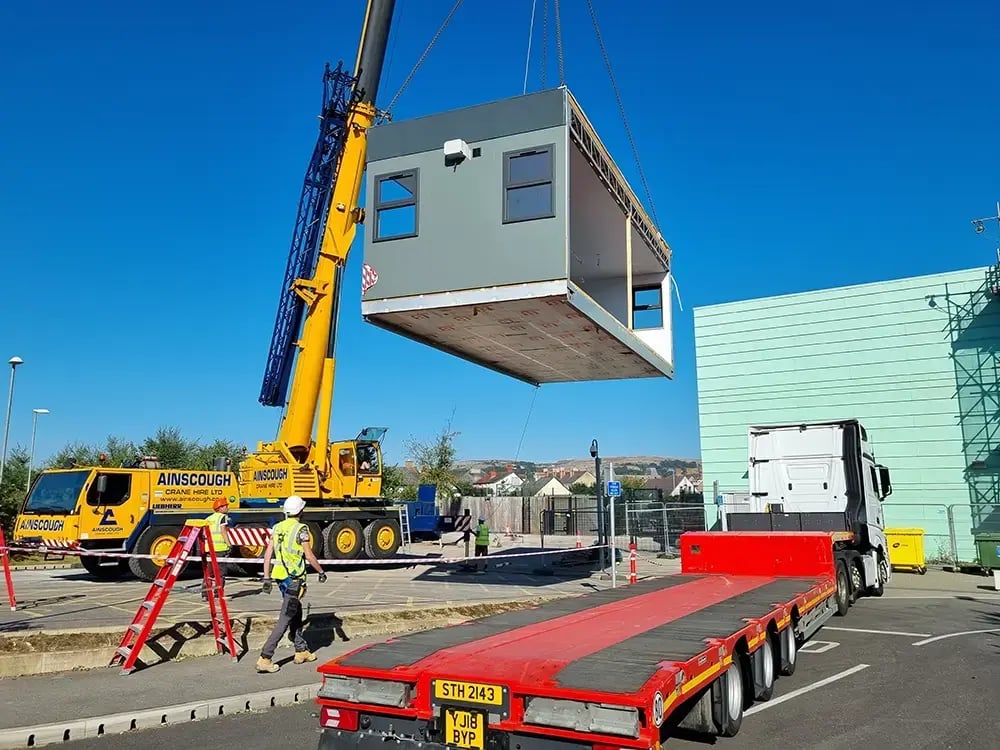
Modular construction is increasingly being used by organisations looking to expand facilities with more certainty and less disruption than traditional building methods usually allow. Rather than focusing on headline speed claims, it’s more useful to understand realistic modular building timescales how they are achieved, and what influences delivery from design through to installation.
This blog explains realistic delivery timelines for commercial modular projects, shows how off-site manufacturing and parallel workflows improve delivery certainty, and outlines the key factors that affect overall project duration.
Traditional construction projects are typically delivered in sequence, with design, procurement, site works and construction happening one stage after another. This often leads to longer programmes and greater exposure to delays caused by weather, labour availability and site-related challenges.
In practice, this is where many traditional projects lose time, not because of poor planning but because each stage depends on the last being completed first.
Modular buildings are designed to reduce this reliance on site-based activity. While building modules are manufactured in a factory, site preparation and groundworks can take place at the same time. This overlap makes project planning more straightforward and helps organisations approach expansion with greater confidence.
What “Up to 90 Days” Can Mean for Certain Modular Construction Projects
The main benefit of modular construction is not just speed, but greater certainty. Clear processes, defined manufacturing stages and fewer on-site variables make it easier for organisations to plan realistically, even when timescales are tight.
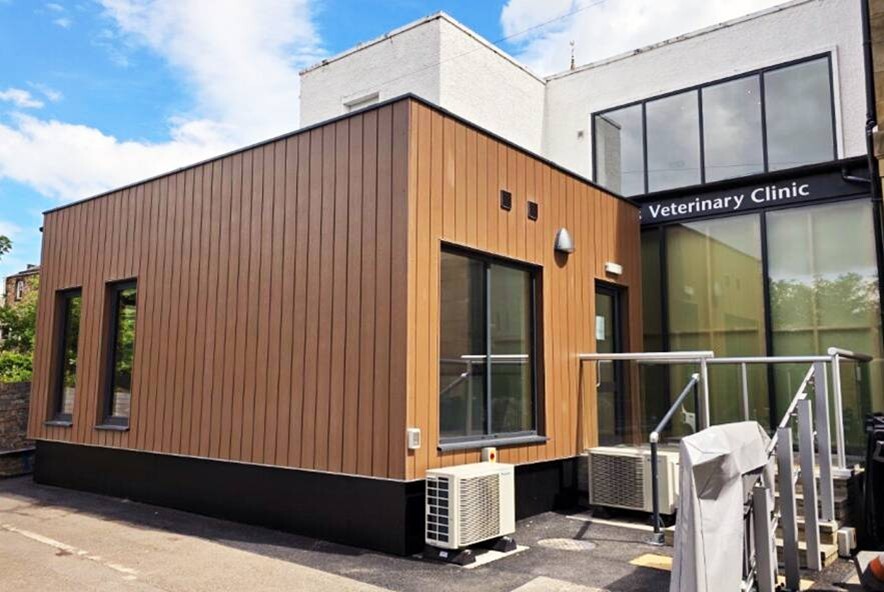
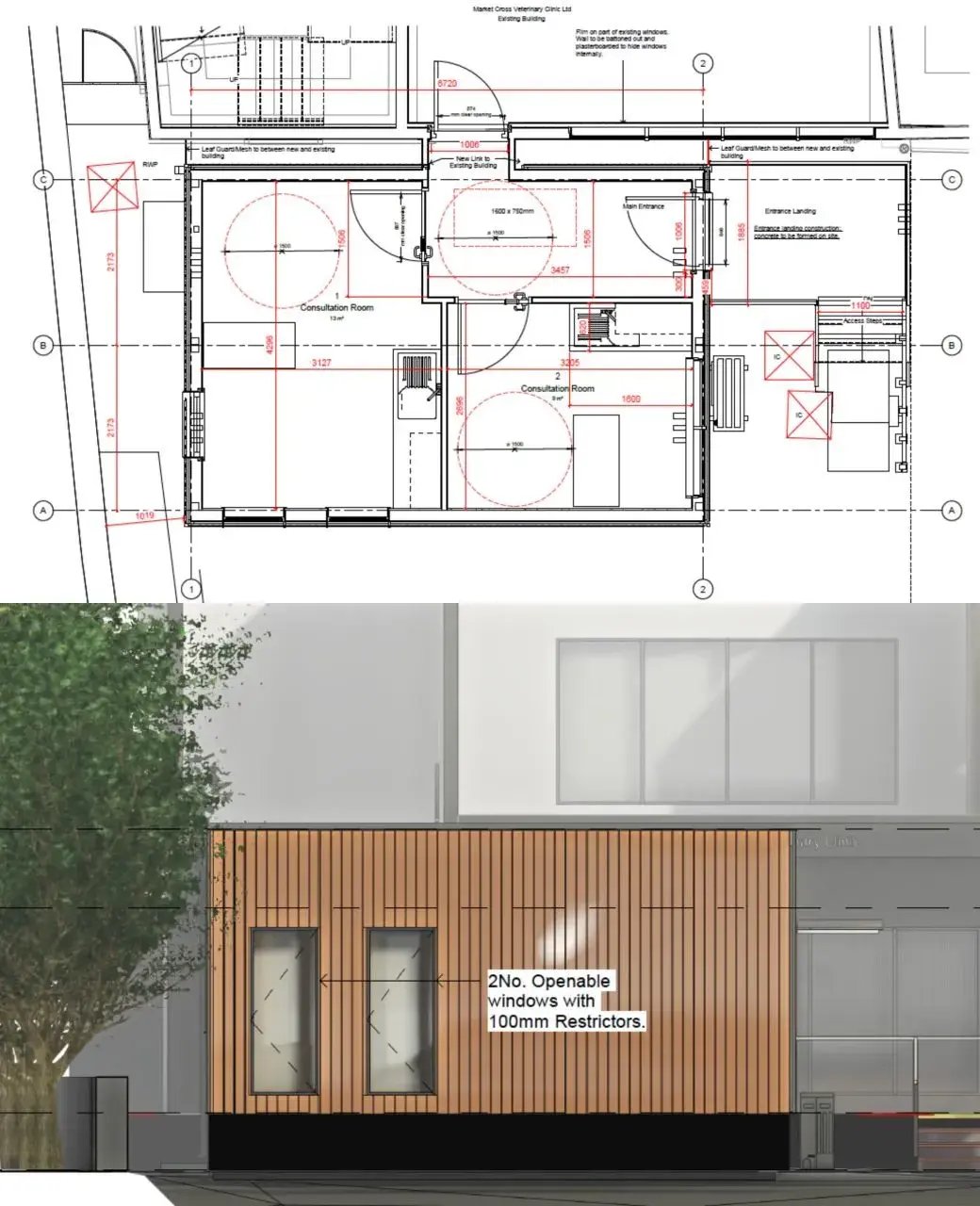
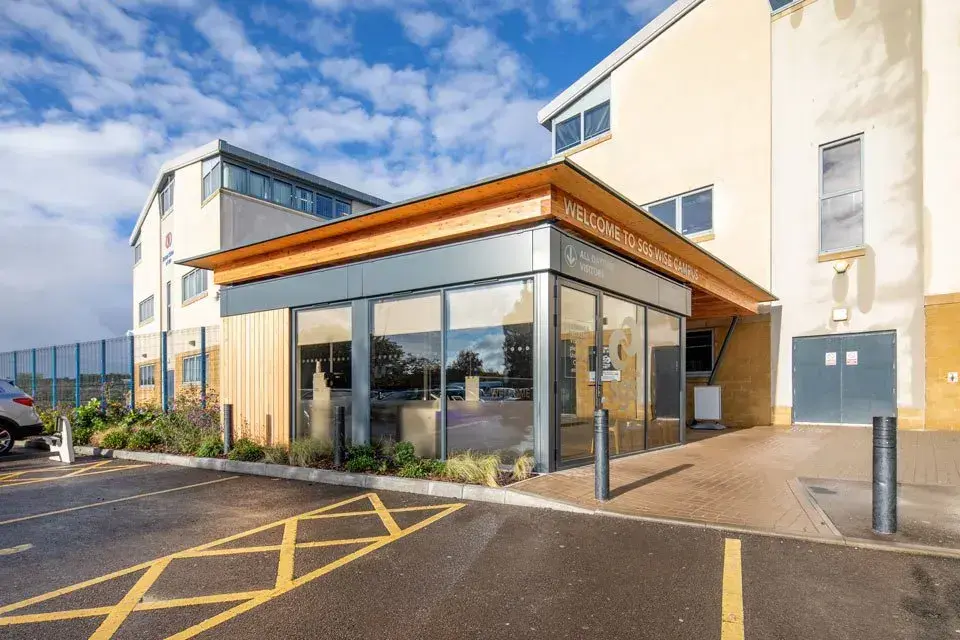
Example of a Modular Project with a More Efficient Delivery Programme
By manufacturing the building off-site in parallel with site preparation, the overall programme was shortened and installation time on site kept to a minimum. This approach provided a more predictable delivery programme compared to traditional construction, demonstrating how modular methods can support efficient commercial expansions.
From Design to Installation: Typical Modular Construction Timeframes
While timescales vary depending on building use and complexity, modular projects are often structured so that early design work and off-site manufacture can progress alongside site preparation. This makes scheduling clearer and delivery more predictable.
A typical modular construction programme may include:
1. An initial discussion and site review to confirm requirements and feasibility
2. Design development and coordination to finalise compliant layouts and services
3. Off-site manufacture of building modules in a factory environment
4. Site preparation, including foundations and service connections
5. Delivery and installation of completed modules
6. Final fit-out, testing and handover
By carrying out manufacturing and site works at the same time, facilities can often be delivered more reliably than through traditional construction, particularly where the project scope and approvals are agreed early.
How Turnkey Modular Delivery Supports Parallel Workflows and Predictable Timescales
Modular construction allows different stages of a project to move forward together rather than waiting for one phase to finish before another begins. In a turnkey delivery model design coordination, manufacturing and installation are managed within a single, integrated programme from the outset.
This makes it possible for module manufacture to continue while site works are underway, helping reduce overall programme length and improve predictability. Key milestones, such as manufacture completion and installation, are identified earlier, giving clearer visibility over handover dates.
By limiting the number of handovers between different parties, a turnkey approach also reduces coordination risk. This supports greater confidence in modular building timescales, particularly where the project scope and approvals are clearly defined.
Key Factors That Influence Modular Construction Timelines, Depending on Scope
Although modular construction offers more predictable delivery, timescales are still affected by several factors, including:
• The level of complexity or customisation required
• Planning and building control approvals
• Site access and delivery constraints
• Connections to existing services or occupied buildings
Early engagement and a clear understanding of requirements are essential for setting realistic expectations and avoiding late changes that can extend project duration.
Reducing Business Disruption Through Predictable Modular Project Scheduling
One of the most practical advantages of modular construction is the reduced amount of work carried out on site. Because most of the build happens off-site, installation periods are usually shorter and less disruptive than traditional construction.
This makes modular construction well suited to live environments such as schools, healthcare facilities and active commercial sites, where maintaining day-to-day operations is critical. Completed modular projects show how facilities can be expanded while minimising noise, congestion and downtime.
Why Certainty Often Matters More Than Speed in Modular Building Timescales
Although speed is often highlighted when discussing modular construction, certainty is often more valuable for organisations planning expansion. Predictable timelines make it easier to plan staffing, relocations, service commissioning and operational changes, which is why modular buildings timescales are often valued more for reliability than for headline speed.
Rather than aiming for the fastest possible delivery, modular construction provides a structured and repeatable process that helps reduce risk and improve programme reliability. This focus on certainty is a key reason modular approaches continue to be adopted across both public and private sector projects.
If you are considering a modular solution, engaging early is always advisable.
Early involvement allows for clearer planning, faster decision-making, and fewer surprises later on.
Get in touch to discuss how modular construction can support predictable delivery timescales for your facility expansion.

How Prefab Commercial Buildings Support Business Growth

Why Modular Buildings Work for GP Surgeries and Primary Care Settings
No Comments Yet
Let us know what you think