

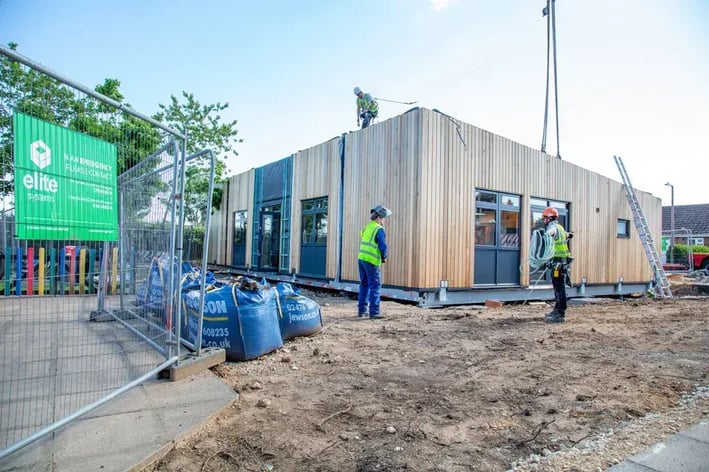
Experienced UK modular building companies manage complex projects by integrating design, manufacturing, compliance, logistics, and on-site installation into a single coordinated delivery process. For your estate, school, or business, this approach reduces programme risk, improves quality control, and helps projects remain operationally efficient while meeting strict timelines and regulatory standards.
As organisations face increasing pressure to expand facilities quickly while maintaining compliance and operational continuity, modular construction is becoming an increasingly practical delivery method. Successful modular project delivery depends on careful coordination between design teams, manufacturers, logistics providers, and installation contractors to ensure projects remain efficient, compliant, and operationally controlled throughout delivery.
Key Takeaways
- Modular project delivery combines design, manufacturing, and installation within a single coordinated programme.
- Offsite manufacturing improves quality control and reduces onsite disruption.
- Early-stage coordination helps reduce delays and compliance risks.
- Logistics planning is essential for efficient module installation.
- Modular construction supports operational environments such as schools, healthcare estates, and commercial premises.
How Do Modular Building Companies Coordinate Complex Projects?
Successful modular project delivery depends on detailed coordination across multiple workstreams operating simultaneously.
Unlike traditional construction, where activities are completed sequentially on-site, modular construction combines offsite manufacturing with parallel site preparation. This reduces overall programme durations while requiring greater control over planning, communication, and sequencing.
Key areas typically managed within modular project delivery include:
- Design coordination
- Planning and regulatory approvals
- Manufacturing schedules
- Groundworks and site preparation
- Delivery logistics
- Installation sequencing
- Testing and commissioning
By coordinating these stages within a structured programme, modular building companies in the UK can reduce delays, improve visibility, and maintain greater programme certainty throughout construction.
Why Early Design Coordination Reduces Risk
Because modular buildings are manufactured offsite, technical information must be fully coordinated before production begins. This includes structural engineering, mechanical and electrical systems, fire safety measures, accessibility requirements, and energy performance standards.
For education environments, projects may also need to align with guidance from the Department for Education, including ventilation standards, safeguarding considerations, and space requirements.
Early coordination helps reduce:
- Design conflicts
- Programme delays
- Variations during construction
- Unexpected project costs
- On-site disruption
For your estate, this creates greater confidence that operational requirements and project timelines can be maintained throughout the build process.
Projects involving modular education buildings often rely on this level of coordination to maintain safe and uninterrupted learning environments during expansion works.

How Offsite Manufacturing Improves Quality Control
A major advantage of modular project delivery is the ability to manufacture building components within controlled factory conditions.
This allows modular construction companies to maintain more consistent quality assurance processes while reducing exposure to weather delays and site disruption.
According to Elite Systems, modern methods of construction can significantly reduce onsite activity while improving programme predictability through greater offsite coordination and factory-controlled manufacturing.
Offsite manufacturing also enables parallel working. While foundations and enabling works are completed on-site, the building structure can be manufactured simultaneously within the factory environment.
This coordinated approach helps organisations:
- Accelerate project delivery
- Reduce onsite construction periods
- Improve health and safety management
- Maintain consistent build quality
- Minimise disruption within operational environments
Organisations assessing long-term reliability may also consider how high-quality modular buildings are designed to maintain compliance, durability, and consistent performance over time.
Additional planning measures are often required to minimise weather-related construction delays, particularly where programme certainty is critical.
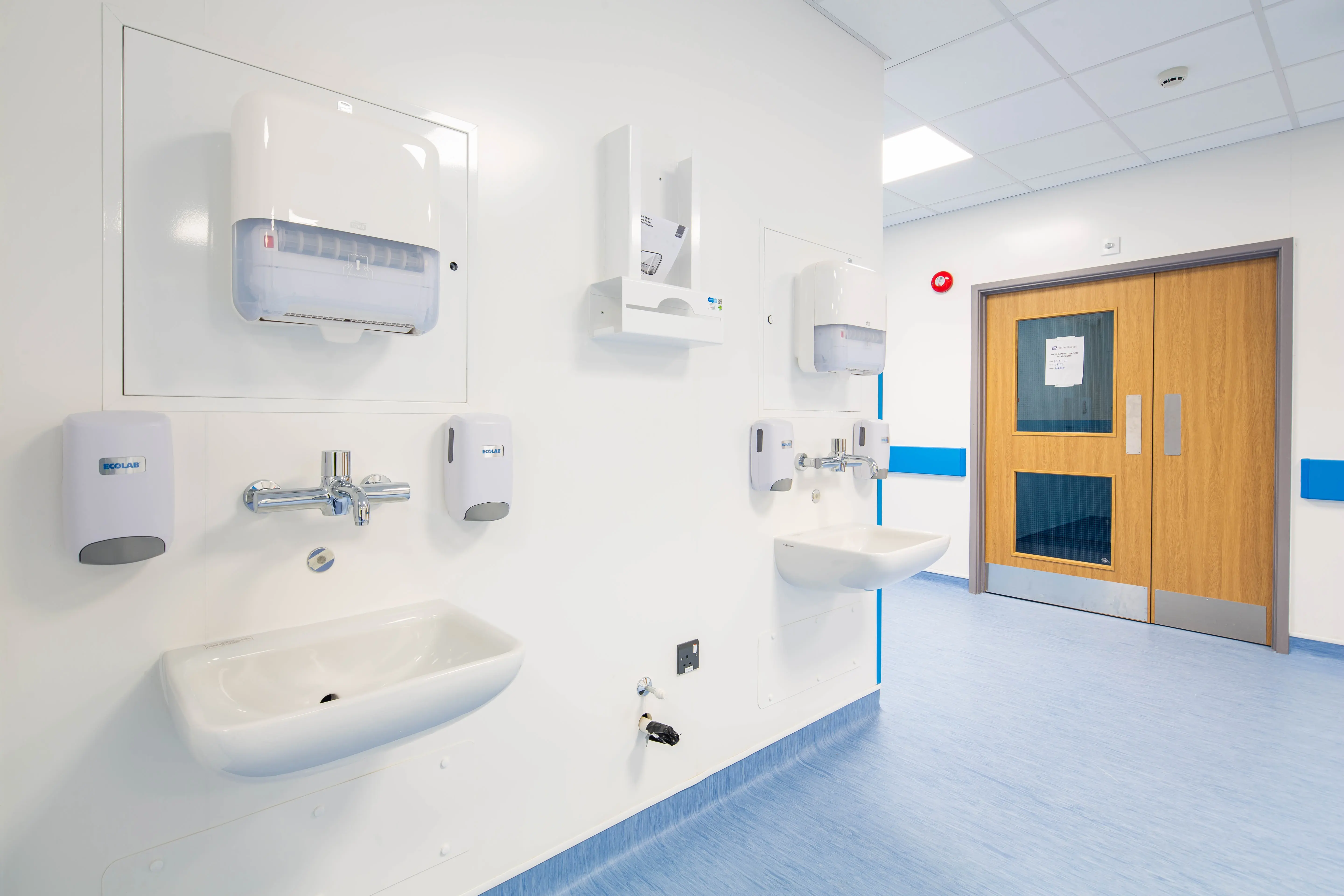
This approach is increasingly common across healthcare modular buildings where maintaining operational continuity during construction is essential.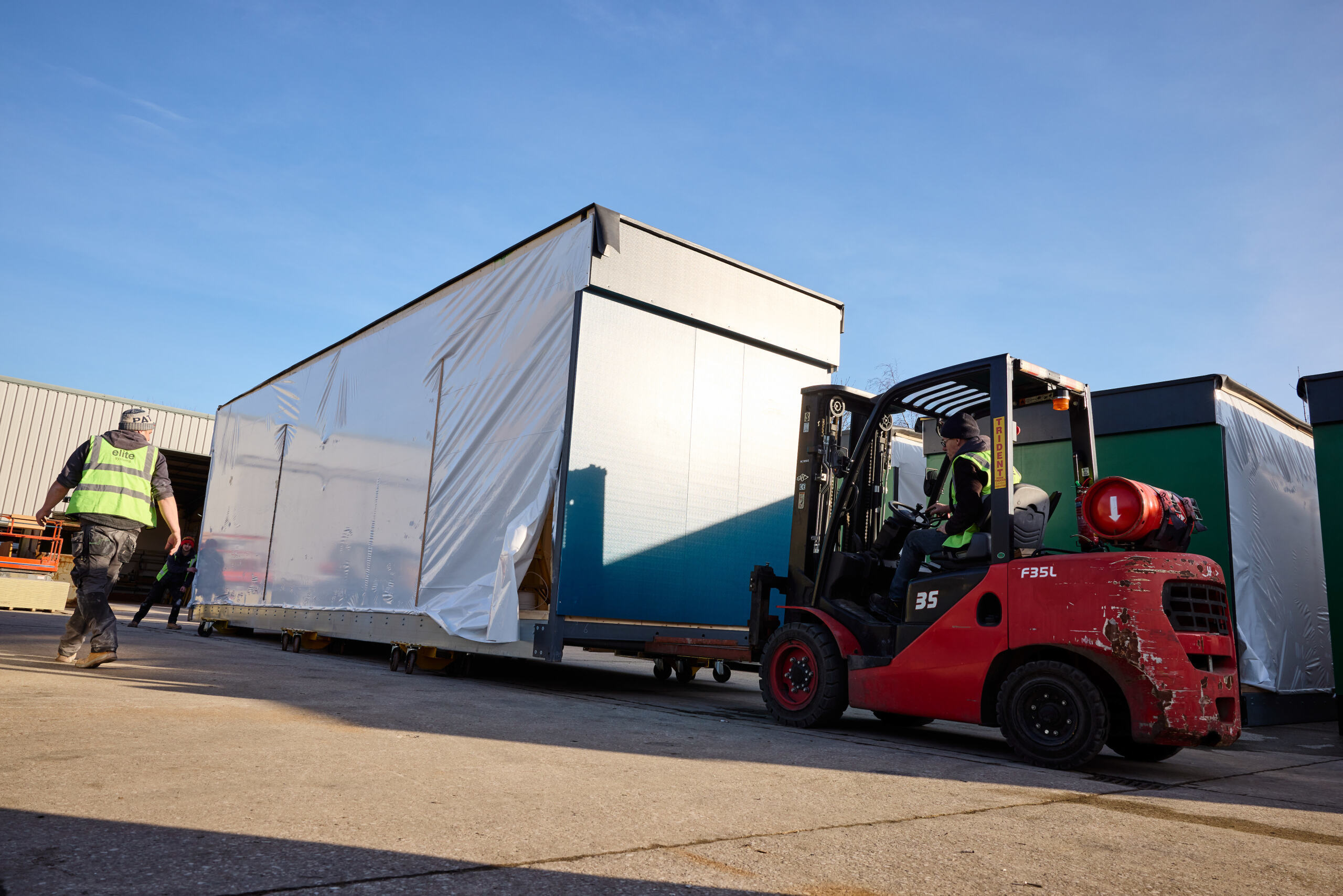
Why Logistics Planning Is Essential
Logistics management plays a central role in successful modular construction delivery.
Modules are manufactured, transported, and installed in carefully planned phases. Because installation programmes are highly time-sensitive, experienced UK modular building companies and modular construction companies carry out extensive logistical planning before delivery begins.
This may include:
- Route assessments for module transportation
- Crane lift planning
- Delivery scheduling
- Traffic management coordination
- Site access reviews
- Installation sequencing
For constrained sites, these measures help ensure installation activity can take place safely and efficiently while minimising disruption to surrounding operations.
A good example of this approach can be seen in the South Wolds Academy Sixth Form project, where offsite manufacturing and carefully coordinated installation helped deliver a two-storey education facility with minimal disruption to the live school environment.
In education settings, installation may be scheduled during holiday periods to minimise disruption to teaching and safeguarding arrangements. Commercial organisations may also use modular commercial buildings to reduce disruption during expansion projects where occupation timelines are fixed.
Businesses planning rapid expansion strategies may also explore faster modular project delivery to understand how modular construction programmes can accelerate operational growth.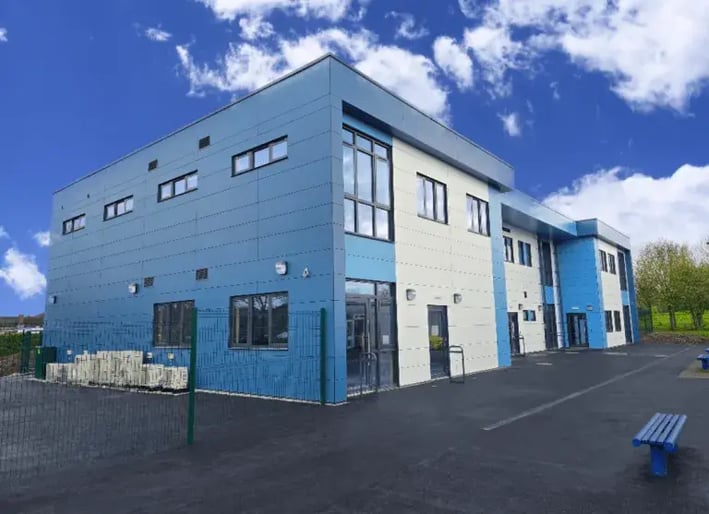
How Modular Construction Companies Manage Compliance
Complex modular projects involve multiple layers of compliance across both factory and site environments.
Experienced modular construction companies coordinate requirements including:
- Building Regulations
- Fire safety standards
- CDM Regulations
- Accessibility requirements
- Planning conditions
- Energy efficiency targets
This is particularly important for operational environments where buildings must support both functional requirements and long-term regulatory compliance.
Because modular buildings are manufactured in controlled conditions, tighter construction tolerances and more consistent quality control can also support improved thermal performance and reduced material waste.
Why Communication Supports Smoother Delivery
Complex modular projects often involve multiple stakeholders with different operational priorities.
Successful delivery depends on maintaining clear communication between:
- Estates teams
- Facilities managers
- Contractors
- Consultants
- Planning authorities
Experienced modular building companies establish reporting structures early within the programme to ensure project visibility remains consistent throughout delivery.
This may include programme updates, design review meetings, installation progress tracking, and handover planning sessions.
For your organisation, this level of communication helps ensure operational requirements remain central throughout every phase of the project.
Conclusion
Managing complex modular construction projects requires detailed coordination across design, manufacturing, logistics, compliance, and installation. By integrating these stages into a structured delivery process, modular building companies can improve programme certainty, reduce disruption, and maintain consistent quality standards throughout construction.
For your school, healthcare estate, or commercial environment, modular project delivery provides a practical and controlled approach to expanding facilities while maintaining operational continuity.
Contact us to discover how Elite Systems GB supports education, healthcare, and commercial organisations with carefully managed modular construction solutions designed around compliance, efficiency, and long-term performance.

What to Look for When Choosing Modular Building Companies
How Modular Hospital Buildings Support Infection Control In Modern Healthcare Design

No Comments Yet
Let us know what you think