

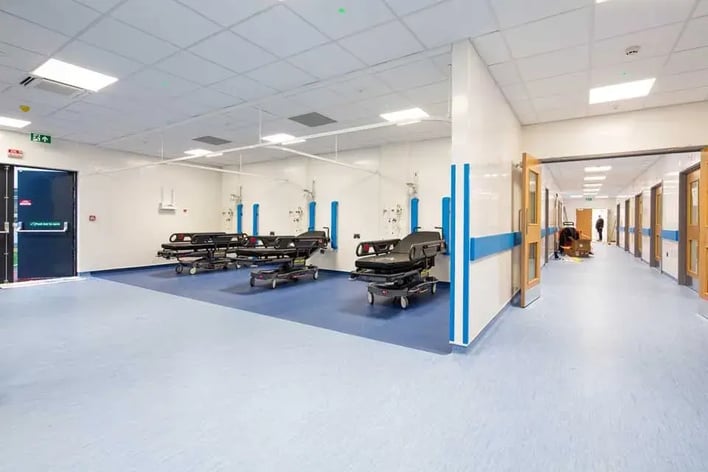
Healthcare environments are under constant pressure to deliver safe, efficient care while managing increasing patient demand. NHS data consistently shows that high bed occupancy and rising patient numbers are placing significant strain on hospital capacity, making efficient use of space more critical than ever. Many hospitals are operating within estates that were not designed for modern clinical workflows, leading to congestion, delays, and inefficiencies in patient movement.
Improving patient flow is not only about capacity, but how space is planned, accessed, and used. This is where modular healthcare buildings provide a practical solution.
Modular healthcare buildings are designed, manufactured, and installed using offsite construction methods, allowing healthcare providers to introduce well-planned, high-quality clinical environments that support operational efficiency.
This article explores how thoughtful healthcare modular design can improve patient flow, reduce pressure on existing facilities, and support more effective clinical processes.
1. Designing Layouts That Support Efficient Patient Flow
Effective patient flow depends on how spaces are organised and connected. Poor layouts can create bottlenecks, increase waiting times, and reduce clinical efficiency. NHS England has identified patient flow as a critical factor in reducing delays across urgent and emergency care pathways.
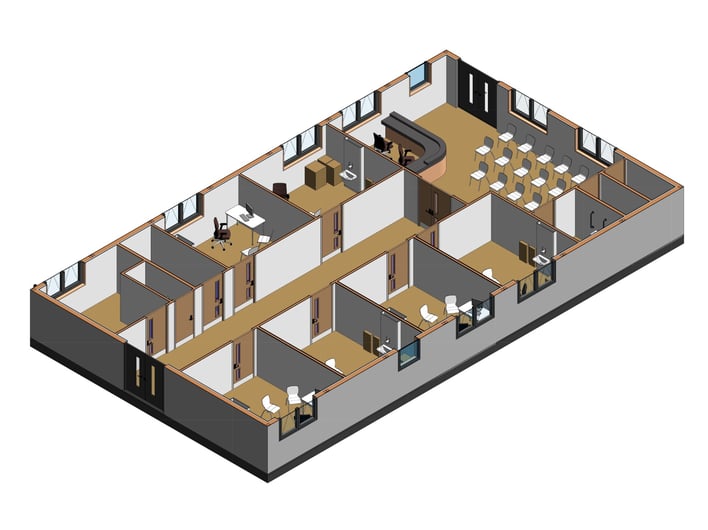
Hospital modular facilities can be designed with patient pathways in mind from the outset, ensuring that movement through the building is clear and efficient.
Key layout considerations include:
• Clear separation between patient, staff, and service routes
• Logical adjacencies between departments and treatment areas
• Minimised travel distances between key functions
• Defined entry and exit points to reduce congestion
By planning these elements early, modular healthcare buildings can support smoother patient journeys and reduce unnecessary delays.
2. Reducing Congestion Through Purpose-Built Spaces
Congestion is a common challenge in healthcare environments, particularly in waiting areas, corridors, and shared clinical spaces. High bed occupancy rates, which frequently exceed the recommended 85% threshold across NHS hospitals, are closely linked to delays in patient flow and increased pressure on clinical teams.
Modular healthcare buildings allow providers to introduce additional, purpose-built areas that alleviate pressure on existing infrastructure.
These can include:
• Dedicated waiting areas designed for capacity and comfort
• Additional consultation and treatment rooms
• Separate access points for different patient groups
• Expansion space for high-demand departments
Rather than adapting unsuitable areas, healthcare modular design enables organisations to create spaces that are specifically configured to manage patient volumes effectively.
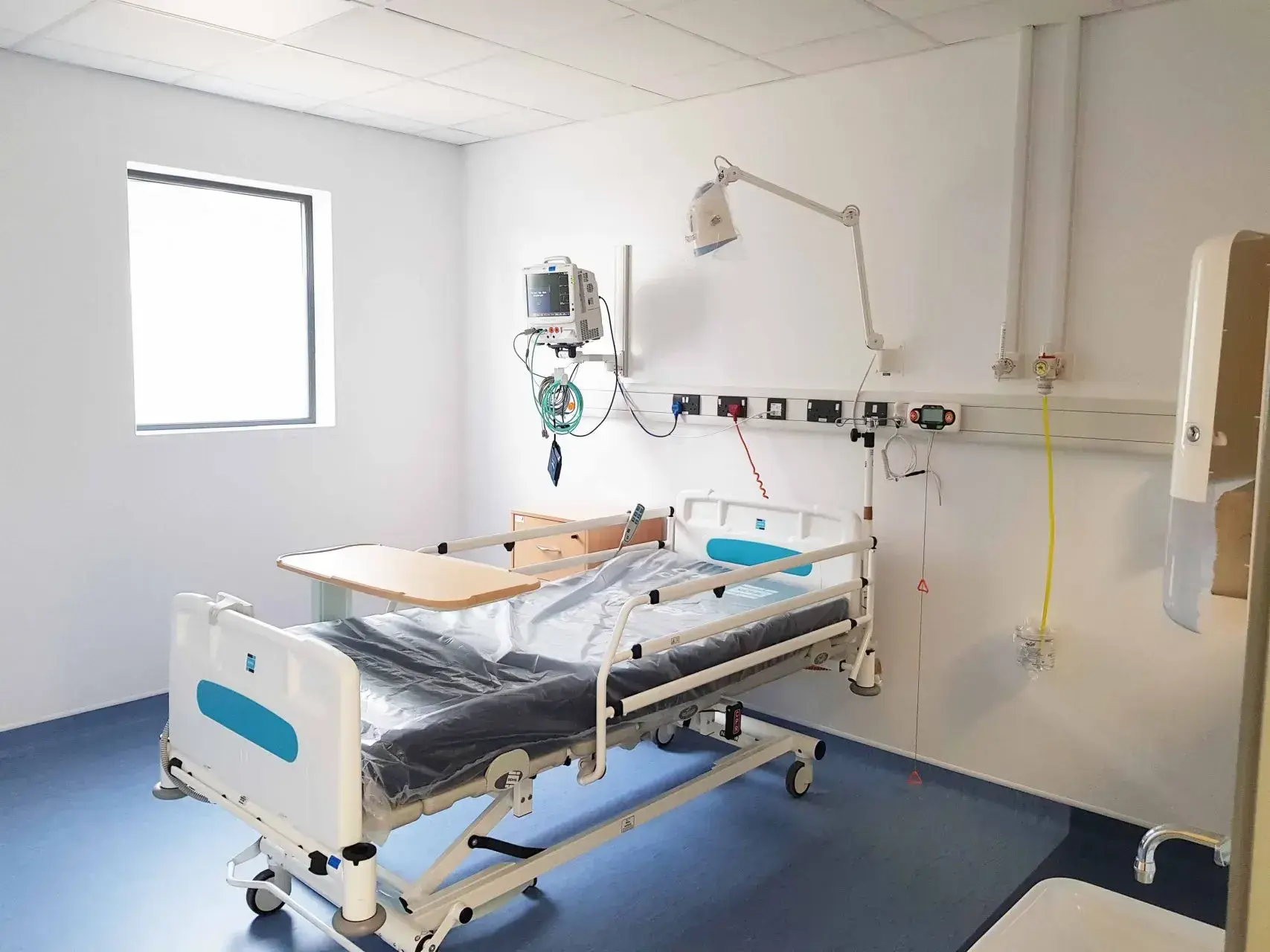
In practice, modular healthcare projects have been used within live hospital environments to introduce additional ward and treatment space, helping to reduce pressure on existing departments and improve patient flow during periods of high demand.
For example, a modular healthcare project delivered at Royal Bolton Hospital demonstrates how additional capacity can be delivered within live environments.
This approach improves both patient experience and operational flow across the wider facility.

3. Improving Accessibility and Wayfinding
Clear, accessible environments are essential for both patients and staff. Poor wayfinding and limited accessibility can slow movement, increase stress, and reduce overall efficiency.
Modular healthcare buildings can be designed to prioritise:
• Intuitive layouts that are easy to navigate
• Step-free access and compliant circulation routes
• Clear sightlines and signage integration
• Appropriate corridor widths for patient movement and equipment
These considerations are particularly important in busy hospital environments, where efficient movement directly impacts clinical performance.
By improving accessibility and navigation, hospital modular facilities can support safer and more efficient patient journeys.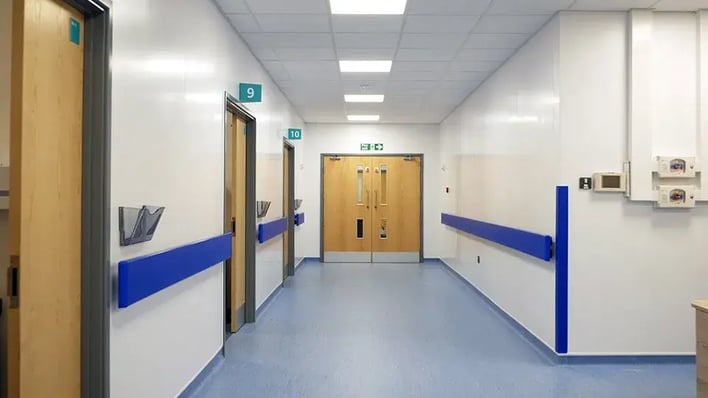
4. Supporting Clinical Workflows Through Design
Clinical efficiency is closely linked to how well a building supports staff workflows. Poorly planned environments can lead to unnecessary movement, delays in treatment, and increased pressure on healthcare teams. Studies into hospital design have shown that inefficient layouts can significantly increase staff travel time, reducing the time available for direct patient care.
Healthcare modular design allows spaces to be configured around clinical processes, ensuring that environments support how care is delivered in practice.
This can include:
• Locating treatment rooms close to diagnostic areas
• Providing dedicated staff support spaces
• Designing layouts that reduce cross-traffic
• Ensuring efficient access to equipment and storage, as demonstrated in a modular healthcare project at Fitzwilliam Hospital
By aligning building design with clinical workflows, modular healthcare buildings help reduce inefficiencies and improve day-to-day operations.

5. Flexible Design That Adapts to Changing Demand
Healthcare demand is constantly evolving. Facilities must be able to respond to changes in patient numbers, service delivery models, and clinical requirements. The NHS Long Term Plan highlights the need for more adaptable infrastructure to respond to shifting healthcare demands and service pressures.
Modular healthcare buildings provide the flexibility to adapt over time, without major disruption.
Key benefits include:
• Scalable layouts that allow future expansion
• Reconfigurable internal spaces
• Ability to add or relocate buildings as demand changes
This flexibility ensures that hospital modular facilities remain effective as operational needs evolve, supporting long-term efficiency and resilience.
6. Faster Delivery Supports Operational Continuity
Speed of delivery is critical in healthcare environments, where delays can impact service provision and patient care. Traditional construction timelines can extend project delivery significantly, while modular construction can reduce overall programme durations through parallel offsite and onsite activity.
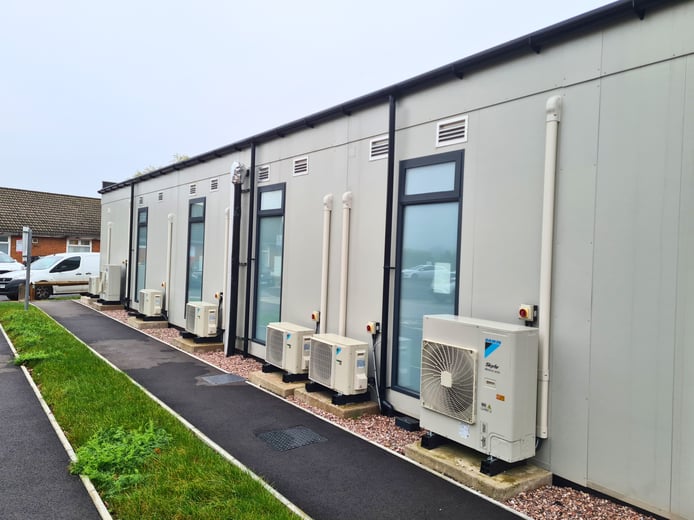
Modular construction enables a significant proportion of the building to be completed offsite, reducing onsite disruption and programme timelines.
This approach allows healthcare providers to:
• Introduce additional capacity quickly
• Minimise disruption to live clinical environments
• Maintain continuity of care during construction
By reducing build time and disruption, modular healthcare buildings support both immediate operational needs and long-term service planning.
Improving Efficiency Through Better Design
Patient flow and clinical efficiency are critical to delivering effective healthcare services. As demand increases, the ability to provide well-planned, adaptable environments becomes even more important.
Modular healthcare buildings offer a practical way to achieve this. Through thoughtful design, flexible layouts, and efficient delivery, they enable healthcare providers to improve operations while maintaining high standards of care.
Get in touch to discover how modular healthcare buildings can support your organisation in creating efficient, future-ready clinical environments.

How Modular Hospital Buildings Support Infection Control In Modern Healthcare Design
How Modular Healthcare Buildings Help Hospitals Create Dedicated Treatment Spaces

No Comments Yet
Let us know what you think