

Your workplace is more than a functional space. It reflects your organisation’s identity, values, and culture. For many businesses, the office environment plays a direct role in how employees engage with their work and how visitors perceive the brand.
However, delivering a workspace that aligns with both operational needs and brand identity can be challenging, particularly when timelines, budgets, and site constraints are involved. This is where modular office buildings provide a flexible and effective solution.
Modular office buildings are designed, manufactured, and installed using offsite construction methods, allowing organisations to create high-quality, tailored environments without the limitations of traditional construction.
This article explores how modular office buildings can be designed to reflect your brand, support workplace culture, and deliver modern, functional office environments.
1. Designing for Brand Identity
A well-designed office should visually and functionally represent your organisation. With modular construction, this can be embedded into the design from the earliest stages.
Unlike traditional assumptions, modern modular office buildings can be fully bespoke, designed to reflect a company's brand identity and workplace culture, aligning with their corporate identity.
Key design considerations include:
• External finishes that reflect brand colours or architectural style
• Interior layouts aligned with company workflows
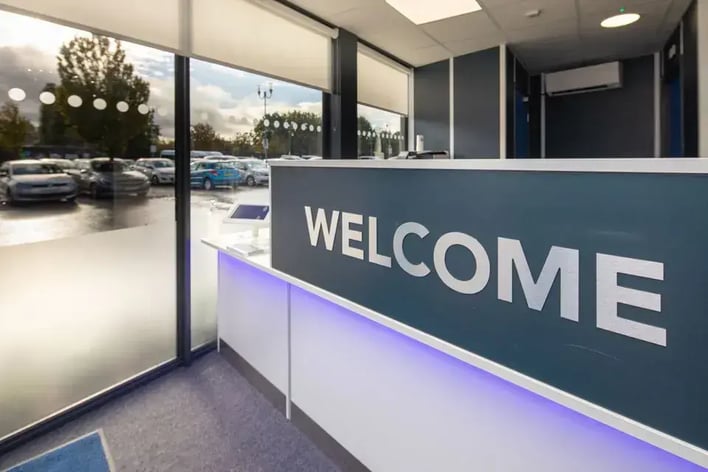
• Reception and entrance areas that create a strong first impression
By addressing these elements early, your office becomes an extension of your brand rather than just a place of work.
2. Flexible Layouts That Support Workplace Culture
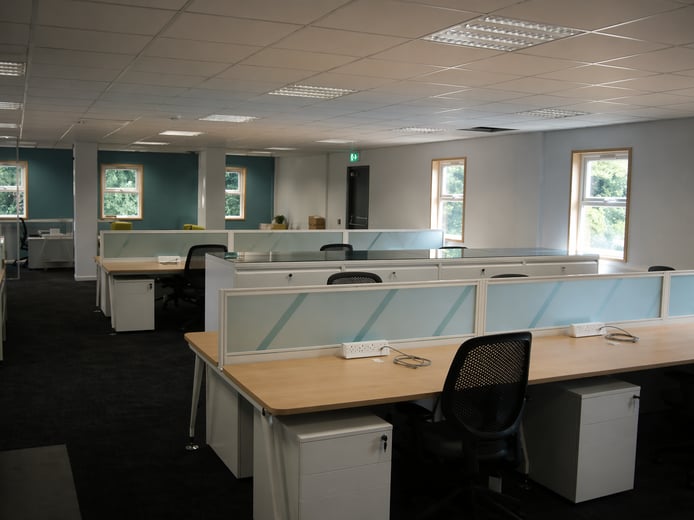
Workplace culture varies between organisations, and office design needs to reflect this. Modular buildings offer flexibility to create layouts that support how your teams operate.
This can include:
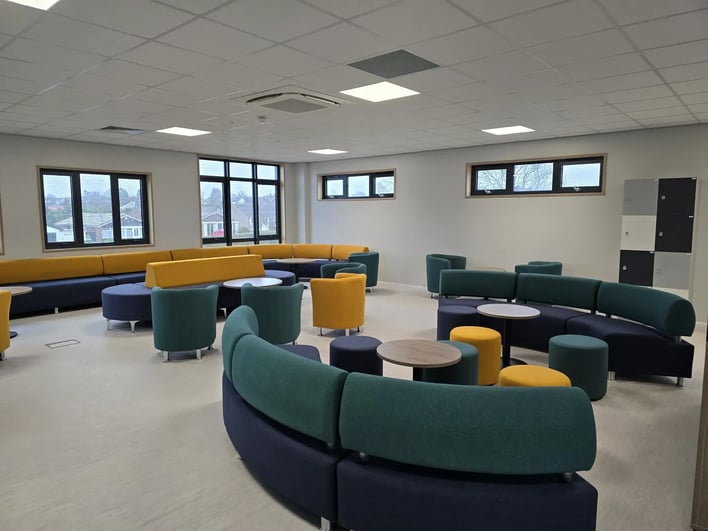
• Open-plan collaboration areas
• Private offices or focused work zones
• Breakout and informal meeting spaces
• Visitor and client-facing environments
Modern modular office design allows spaces to be configured around your operational needs, rather than forcing teams to adapt to rigid layouts.
This flexibility supports productivity while reinforcing your organisation’s way of working.
3. High-Quality Finishes That Enhance Perception
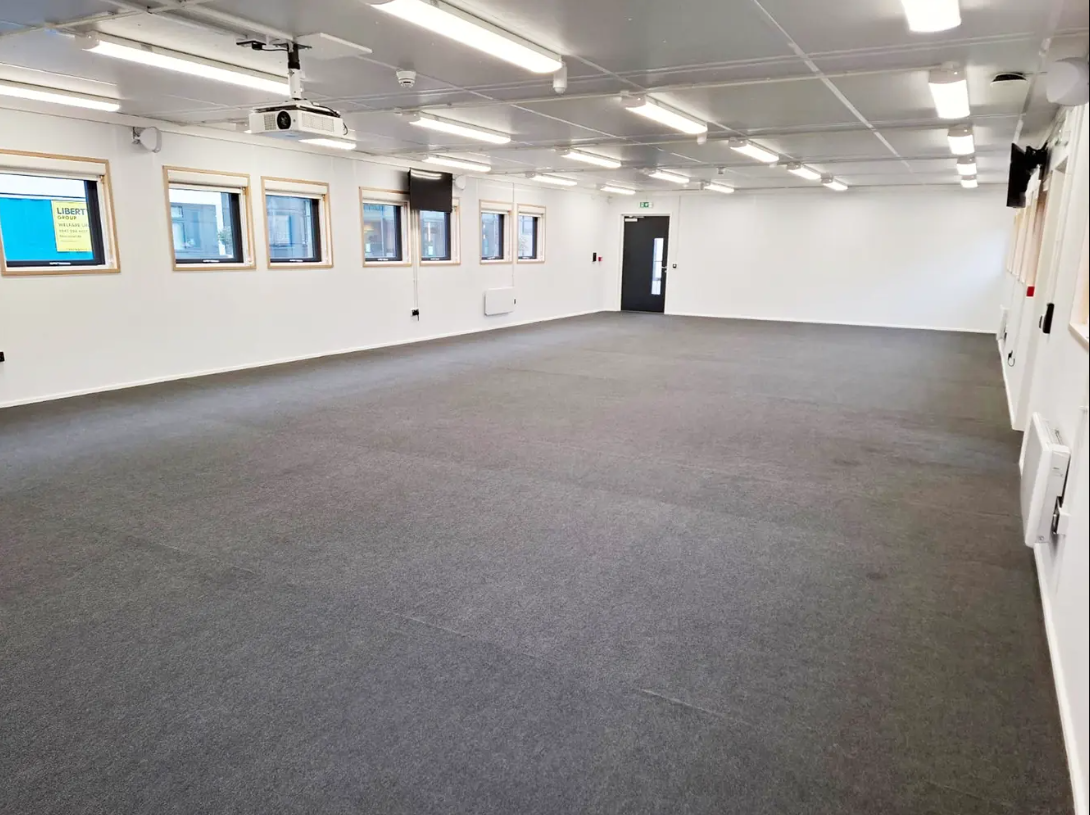
There is often a misconception that modular buildings are purely functional. In reality, modern modular office buildings can deliver high-quality finishes comparable to traditional construction.
Design features can include:
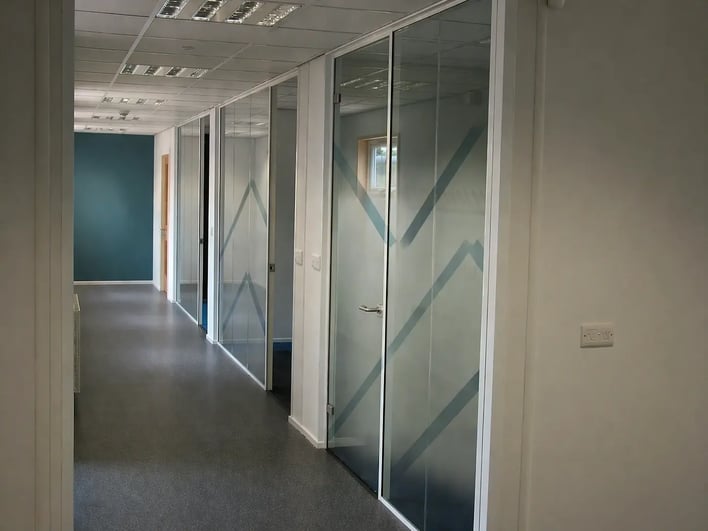
• Contemporary glazing and façade systems
• Branded interior finishes and materials
• Integrated lighting and acoustic solutions
• High-performance insulation and energy-efficient systems
These elements contribute to a professional environment that supports both employee experience and external perception. For organisations welcoming clients, partners, or stakeholders onsite, this level of finish is essential in reinforcing credibility.
4. Real-World Example: Brand-Aligned Modular Design
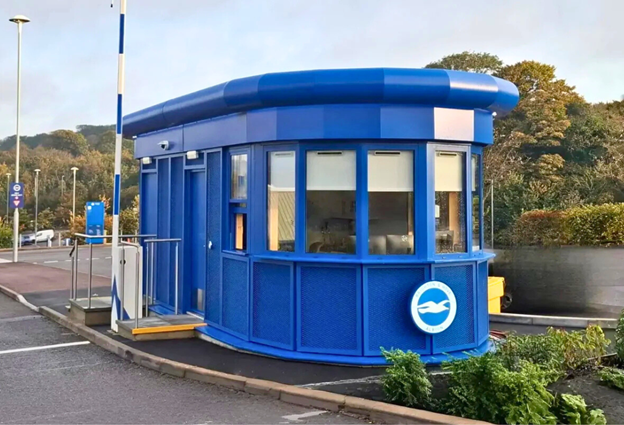
The Amex Gatehouse for Brighton & Hove Albion shows how modular buildings can support operational requirements while aligning with a strong, recognisable brand. Designed to support Premier League operations, the building delivers a professional, high-quality workspace that integrates seamlessly with the wider site.
Similarly, the SGS WISE Gatehouse demonstrates how modular construction can be used to create a distinctive architectural identity. Features such as full-height glazing, natural timber cladding, and a floating canopy contribute to a modern, welcoming environment that reflects the organisation’s image.
Together, these examples highlight how modular office buildings can deliver both functional performance and design quality, supporting brand identity across a range of use cases.
5. Speed of Delivery Without Compromising Design
One of the key advantages of modular construction is speed. However, this does not mean design quality is reduced.
Because a significant proportion of the building is manufactured offsite:
• Design decisions are finalised early in the process
• Quality is controlled in a factory environment
• Onsite installation is faster and more predictable
This approach allows organisations to achieve a branded, high-quality office environment within shorter timeframes compared to traditional construction.
For businesses operating to fixed deadlines, this certainty is a critical advantage.
6. Future-Proofing Your Workspace
Business needs evolve, and office environments must be able to adapt. Modular office buildings are inherently flexible, allowing for future changes without significant disruption.
Considerations include:
• Scalable designs that allow expansion
• Reconfigurable internal layouts
• Relocation options if site requirements change
This ensures your workspace continues to reflect your brand and operational needs over time, rather than becoming outdated or restrictive.
Creating Workspaces That Reflect Your Organisation
Your office environment plays a key role in how your organisation is experienced by employees, clients, and stakeholders. Designing a space that reflects your brand while supporting day-to-day operations is essential.
Modular office buildings provide a practical way to achieve this. They combine flexibility, speed, and design capability, allowing organisations to create bespoke modular offices that align with both identity and function.
Get in touch to discover how modular office buildings can help your organisation create a workspace that reflects your brand and supports your long-term goals.
How Modular Healthcare Buildings Improve Patient Flow and Clinical Efficiency
How Modular Hospital Buildings Support Infection Control In Modern Healthcare Design
No Comments Yet
Let us know what you think