

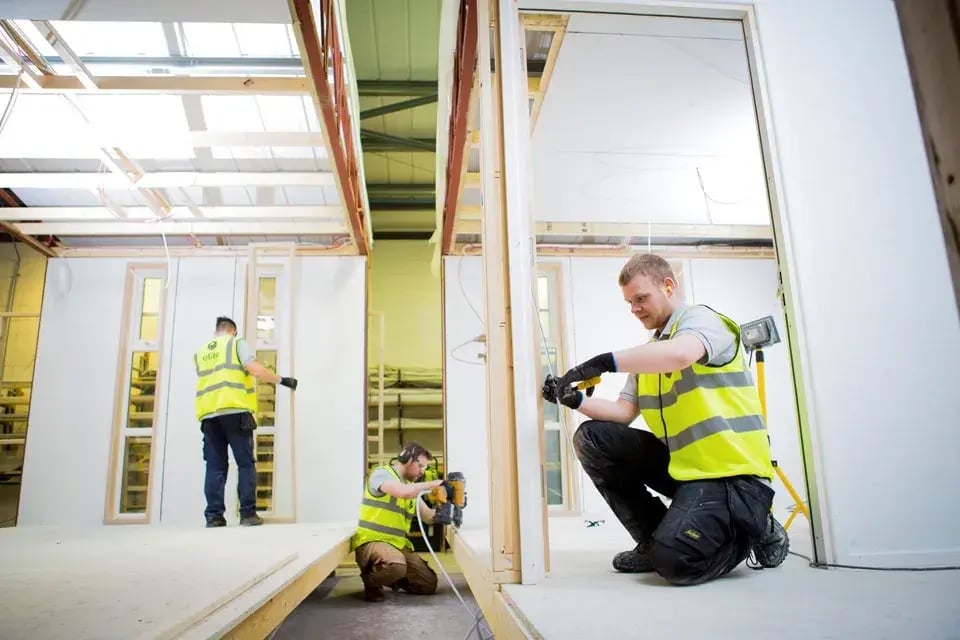
Modular construction has cemented its place at the forefront of construction in the UK and around the world thanks to its efficiency and low cost..
While the benefits of off-site construction are well understood by many architects and end users alike, what is often under-appreciated is the flexibility of off-site construction methods. After all, this method of construction has many applications – making it more versatile than you may think.
Outside the box
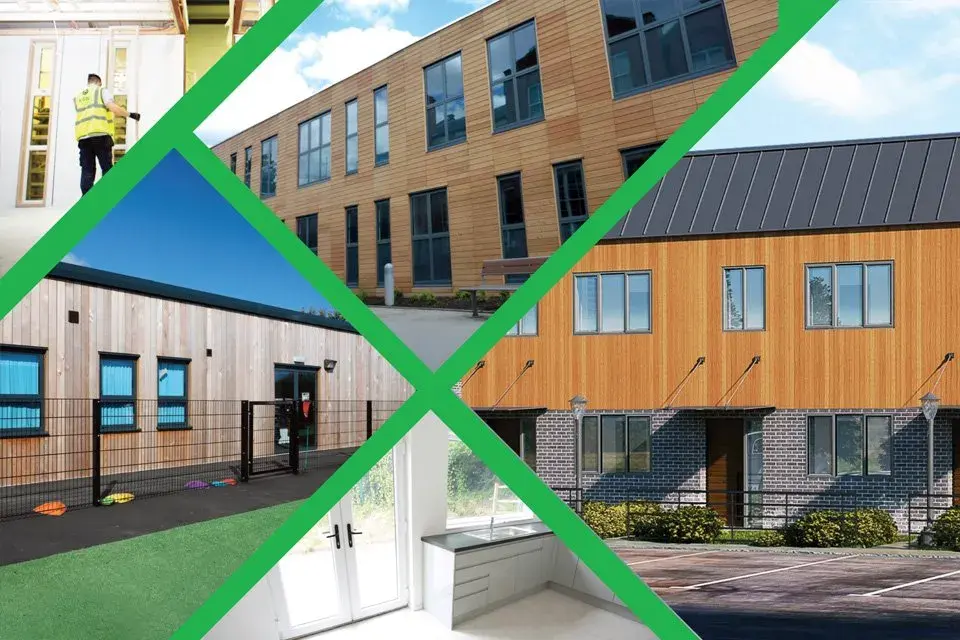
The sheer variety of modular buildings means that the industry has somewhat shaken off its reputation as a provider of big square boxes. That’s not to say that ‘off-the-shelf’ options don’t have their place for those looking for a simple, speedy solution.
But modular construction goes beyond four walls and a roof, and specifiers should consider consulting with an off-site construction specialist from the very beginning, as modern modular buildings can often fulfil all the same functions as traditionally built structures.
Bespoke modular units can be the ideal solutions where there are issues with access as off-site construction can circumvent these problems, being craned into position with minimal disruption on site.
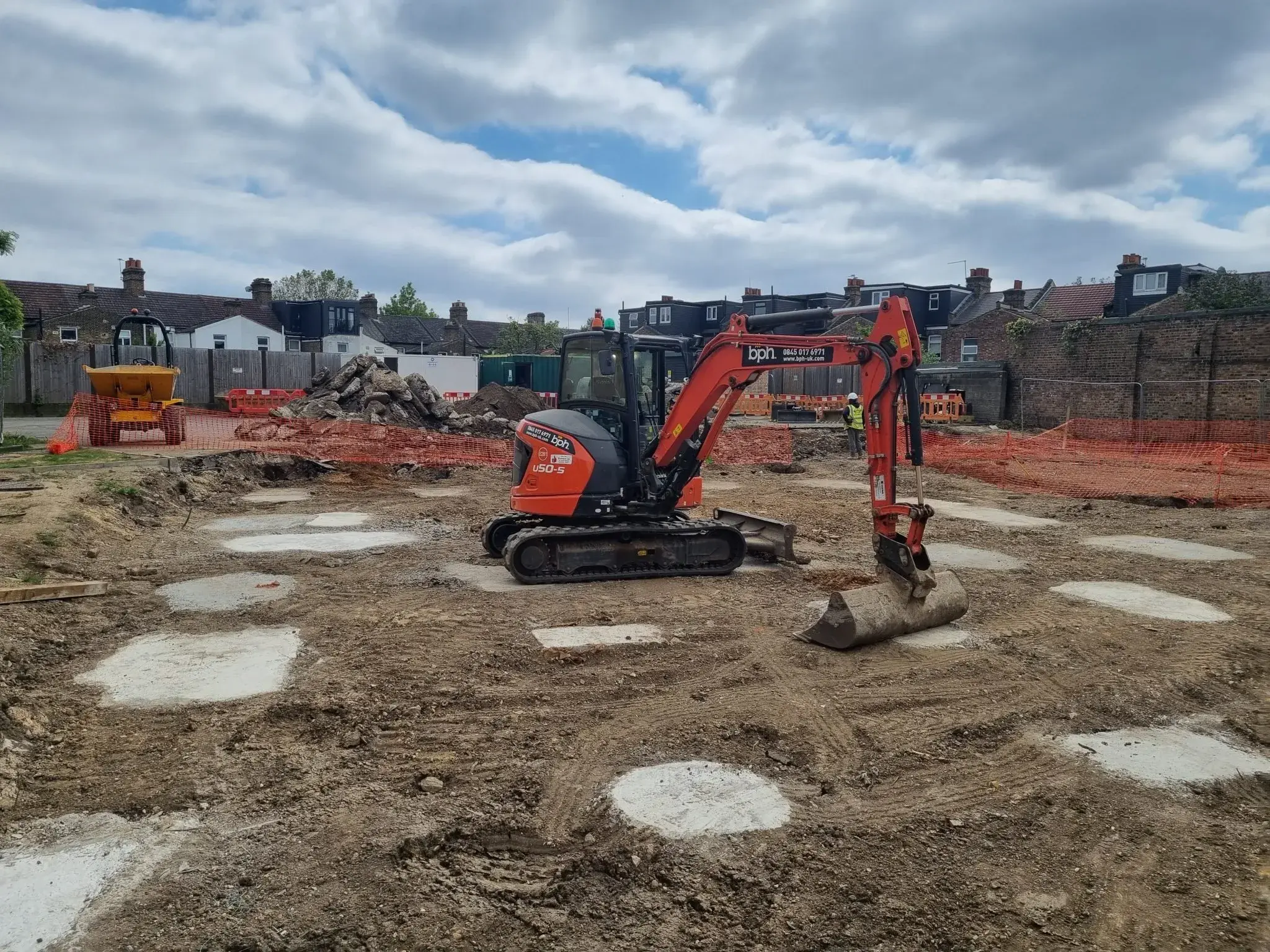
Similarly, where groundworks present potential problems – for example where there may be contamination – off-site construction offers a solution. By planning to use off-site construction methods from the very beginning, projects can be designed with simple foundations requiring just a shallow excavation topped with a layer of concrete, with blocks or flags on top.
Staying power
Modular buildings are often seen as a temporary solution: they can be manufactured and installed quickly to meet a short term requirement for additional space, which is especially valuable for environments such as schools or hospitals where usage can fluctuate from year to year.
But what happens when you need to extend the life of a temporary modular building?
In fact, this is a fairly commonplace request, and because modern modular classrooms and healthcare facilities are built to such a high standard, it’s usually a simple process to convert a temporary structure to permanent.
Even temporary units must comply with UK building regulations, so there is little structural difference between temporary and permanent buildings. Sometimes the conversion is as simple as installing new cladding to the exterior of the building to ensure it fits with the character of the surrounding buildings.
How about hybrids?
The majority of projects we complete are fully modular: that is, we manufacture the building off-site, and install and connect to utilities on-site once the groundworks are completed.
But the off-site construction industry is now large and diverse, and companies such as ours are able to work flexibly to provide bespoke modular elements as part of a more traditional build. In fact, when we were tasked with extending the Errol Flynn Filmhouse, we blended traditional and modern construction methods to deliver the project.
While some projects require only certain elements to be manufactured off-site, a full turnkey modular solution is the most efficient method of modular construction – with the groundworks, manufacture, installation and finishing all undertaken by one company.
Modern Method of Construction – With a Long History
Should the commercial sector catch up on modular construction?
No Comments Yet
Let us know what you think