

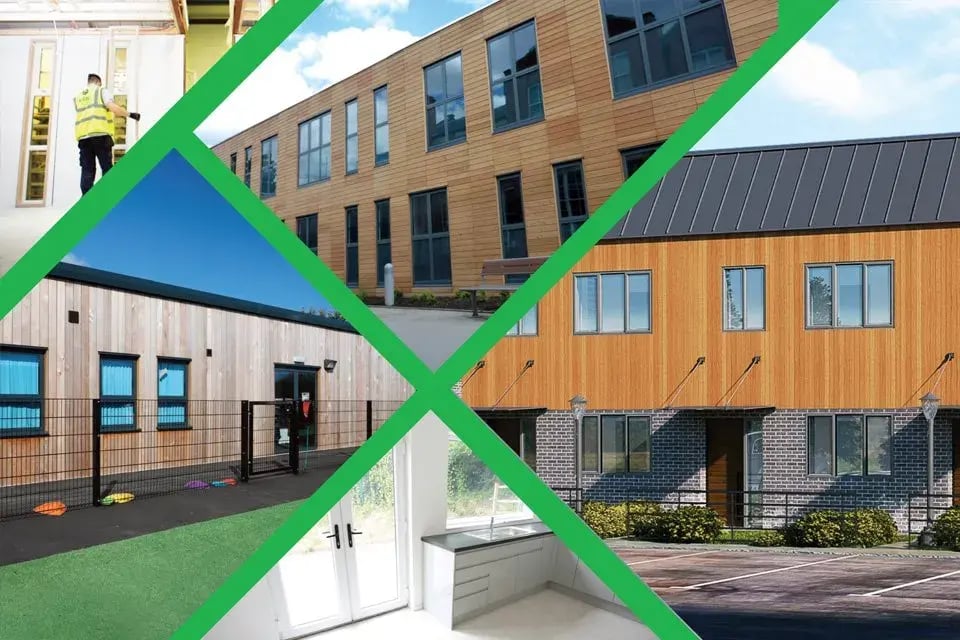
Modular construction is often referred to as a modern method of construction: but that can be a misleading term.
For example, Elite Systems has been installing modular buildings for more than 30 years and we believe that it’s our heritage that sets us apart from the competition.
The term ‘modern method of construction’ is useful to distinguish modular construction from more traditional bricks-and-mortar building methods, which is much slower and more subject to the vagaries of on-site conditions, be that the weather or the quality of the ground.
But are we in danger of losing sight of modular construction’s proven track record in delivering robust solutions that can stand the test of time?
Our side of the modular story
We first started creating modular buildings back in 1991, but to fully appreciate the expertise in the business, we have to go back even further to when AS System Building Services – version 1.0 of Elite Systems – was founded, over 30 years ago.
Unlike Elite Systems, this earlier iteration of the company didn’t have the capability to provide a full turnkey off-site construction solution: it was strictly focused on the installation and maintenance of modular buildings.
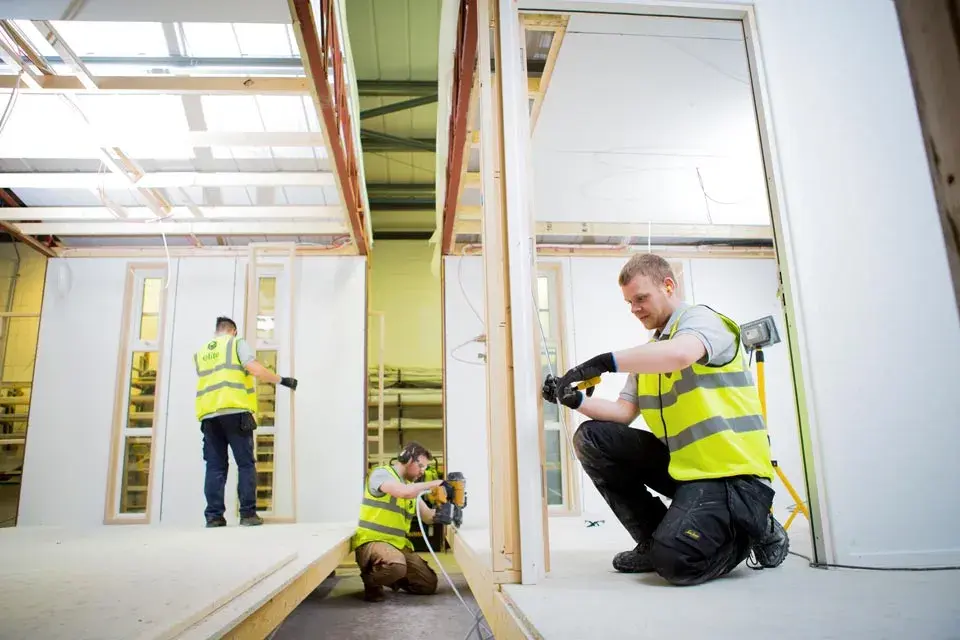
Fulfilling this role gave Tony Sutcliffe, founder and chairman of Elite Systems, a key insight into the modular construction industry and persuaded him to found the company as it exists today. Since 1991 Elite Systems has specialised in the design, manufacture and installation of bespoke modular buildings.
Yet even today, modular construction is seen as something new and unproven, which couldn’t be further from the truth. In fact, once in use, well-made modular structures should look and feel as sturdy and attractive as a traditional building.
Modular building myth busting
Our expertise in this sector means that we are well-placed not only to offer bespoke off-site construction solutions, but to dispel some of the more persistent myths about modular offices, homes, hospital buildings or classrooms.
- Modular buildings aren’t built to last
When well-designed and well-constructed, modular buildings will last for many years to come. In fact, they often remain fit for purpose longer than traditional buildings due to the flexibility of the method of construction.
We can easily convert a temporary building to a permanent, and buildings can be re-clad or even reconfigure to meet a planning condition or updated building regulations. Modular buildings can even be relocated if necessary, making them a solid investment for the future.
- Modular construction is an unproven method that will fade away in favour of traditional build
In fact, modular construction has been around for over 70 years, and was initially driven by the need to quickly rebuild homes after the Second World War. However, these ‘prefabricated’ homes were often of lower quality than traditional build and weren’t built to last. As materials and methods have improved, so has the quality of modular buildings to the point that they can be indistinguishable from their traditionally-built counterparts.
At Elite, we’ve worked hard to apply our experience and knowledge to develop modular buildings that meet or exceed the requirements of building regulations, and that create a pleasant environment for the end user.
- Everyone is jumping on the modular construction bandwagon
Not everyone – Elite Systems has been doing this for over 30 years. That’s almost half the time that modular construction has existed as a discipline. We’re not new to this, and we’re not jumping on the bandwagon. We’ve built our business and our reputation on creating bespoke modular solutions for a wide variety of uses and sectors, and we’re proud to now be taking that expertise into modular housing too.
To find out more about how we can create a modular solution for you, why not contact us today?
Should the commercial sector catch up on modular construction?
The Many Meanings of Modular Construction
No Comments Yet
Let us know what you think