

Modern modular construction has changed how businesses, schools, healthcare providers and public organisations think about building design and delivery. Rather than being seen as short-term or temporary solutions, modular buildings have matured into robust, durable assets capable of serving for decades.
This blog explains what determines a prefabricated modular buildings lifespan, tackles common misconceptions about longevity, and highlights factors such as materials, compliance and maintenance that contribute to lasting performance.

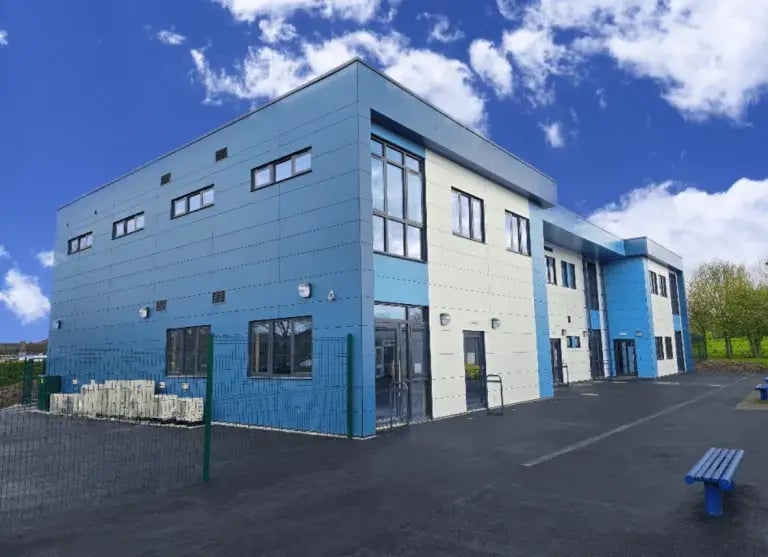
Understanding the Lifespan of Prefabricated Modular Buildings
Prefabricated modular buildings are constructed in a factory environment before being transported and assembled on site. This controlled process helps ensure quality and consistency across each component. Modern modular buildings are engineered with longevity in mind, often featuring durable structural systems and materials designed to outperform early generations.
The term “lifespan” in this context refers to how long a building can serve effectively and safely before significant refurbishment or replacement is needed.
Unlike makeshift temporary cabins, well-designed modular buildings can provide functional, attractive, and safe space for many years — often matching or exceeding the service life expected from traditionally built facilities.
How Modern Modular Buildings Are Designed for Long-Term Use
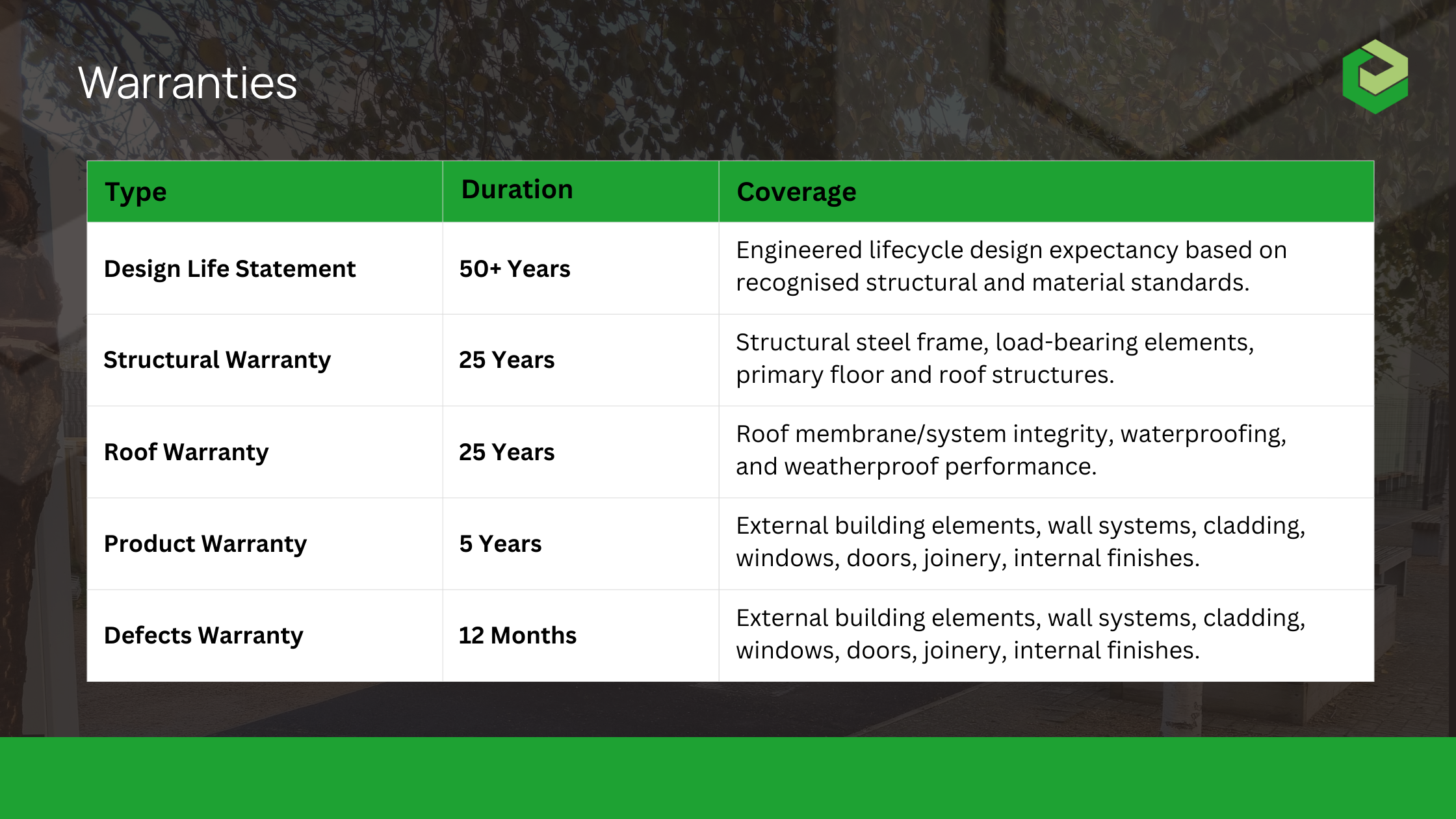
One of the clearest indicators of longevity in modern modular construction is how the buildings are engineered from the outset. High-quality modular structures typically use strong steel frames and robust cladding systems that resist environmental wear and load stresses over time, which is discussed in more in this blog: ‘What Makes a High-Quality Modular Building Hire: What It Is and Why It Matters’. In many cases, design life expectations extend to 50 years or more, with some modular manufacturers' structural warranties reflecting this confidence.
Project examples across a range of sectors illustrate this capability. A recent case study at Hyde Community College highlights a two-storey modular teaching block designed and manufactured using durable external materials and fully integrated services, creating a long-lasting, contemporary learning environment. Delivered within a twelve-week programme, the project demonstrates that strong performance and resilience can be achieved without compromising build quality.
Materials and Construction Methods That Support Long Lifespans
The core materials and construction methods a modular manufacture uses in their modular buildings significantly influence their lifespan. Steel frames, high-performance insulation, and factory-applied finishes all contribute to a buildings structural longevity and energy efficiency. Furthermore, roofing and cladding systems are selected for durability, with warranties often extending decades beyond initial installation.
Unlike on-site builds, factory production environments control exposure to weather and contaminants during fabrication, reducing the risk of premature degradation. Quality control measures ensure consistency across every module.
Building Regulations, Compliance, and Performance Standards
Another key factor in prefabricated modular buildings lifespan is compliance with building regulations and performance standards. Modular buildings destined for education, healthcare, commercial or public use must meet the same regulations as traditionally built structures. This includes fire safety, accessibility, energy efficiency and structural performance standards.
Adhering to statutory requirements ensures that buildings are safe and durable, capable of serving their intended functions over time. For example, specialised facilities such as laboratories, healthcare units and teaching spaces must comply with sector-specific standards, which further reinforces their suitability for long-term use.
The Role of Maintenance in Extending Modular Building Lifespan
To achieve the intended design life of a modular building, building owners should carry out regular inspections and routine maintenance, comparable to those required for traditionally constructed buildings. This includes attention to roofs, drainage, external finishes, and internal environments.
If an issue is identified, early reporting is essential. Modular buildings supplied by a reputable modular manufacturer and supported by a comprehensive manufacturer’s warranty benefit from a clear process for assessing and resolving qualifying defects, provided maintenance obligations have been met.
Moving Beyond the “Temporary vs Permanent” Modular Building Myth
A common misconception about modular buildings is that they are only temporary or inferior to traditional construction. This may stem from older generations of portable cabins or temporary units used for short-term needs. However, today's modular buildings are very different in both design and performance. Modern modular facilities are engineered with whole-life value in mind. They can be configured for permanent use, offer high energy performance, and accommodate future adaptation or expansion.
Whole-Life Value: Why Longevity Matters Across Sectors
Understanding the prefabricated modular buildings lifespan is not just a technical discussion, it matters to organisations and estates making long-term planning decisions. Whether in education, healthcare, or commercial operations, the durability of a facility affects running costs, user experience and strategic flexibility.
Longer lifespans mean fewer disruptions for occupants, lower refurbishment costs, and greater certainty in budgeting. A well-maintained modular building can serve changing needs over time, offering adaptable space without the disruption of repeated rebuilds.
By focusing on quality materials, compliance with standards, and sensible maintenance, prefabricated modular buildings have shifted from “temporary fixes” to trusted long-term assets capable of meeting diverse operational needs.
Get in touch to explore how modern modular buildings can provide robust, long-lasting space solutions for your organisation.

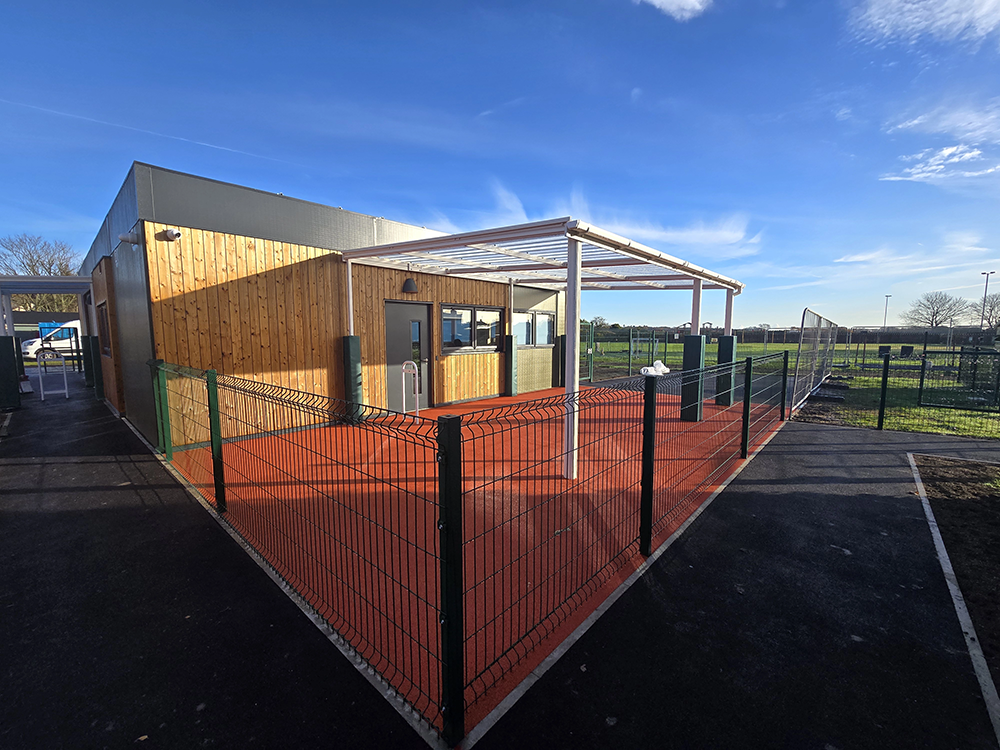
Will a Modular Building Pass Building Regulations? What You Need to Know
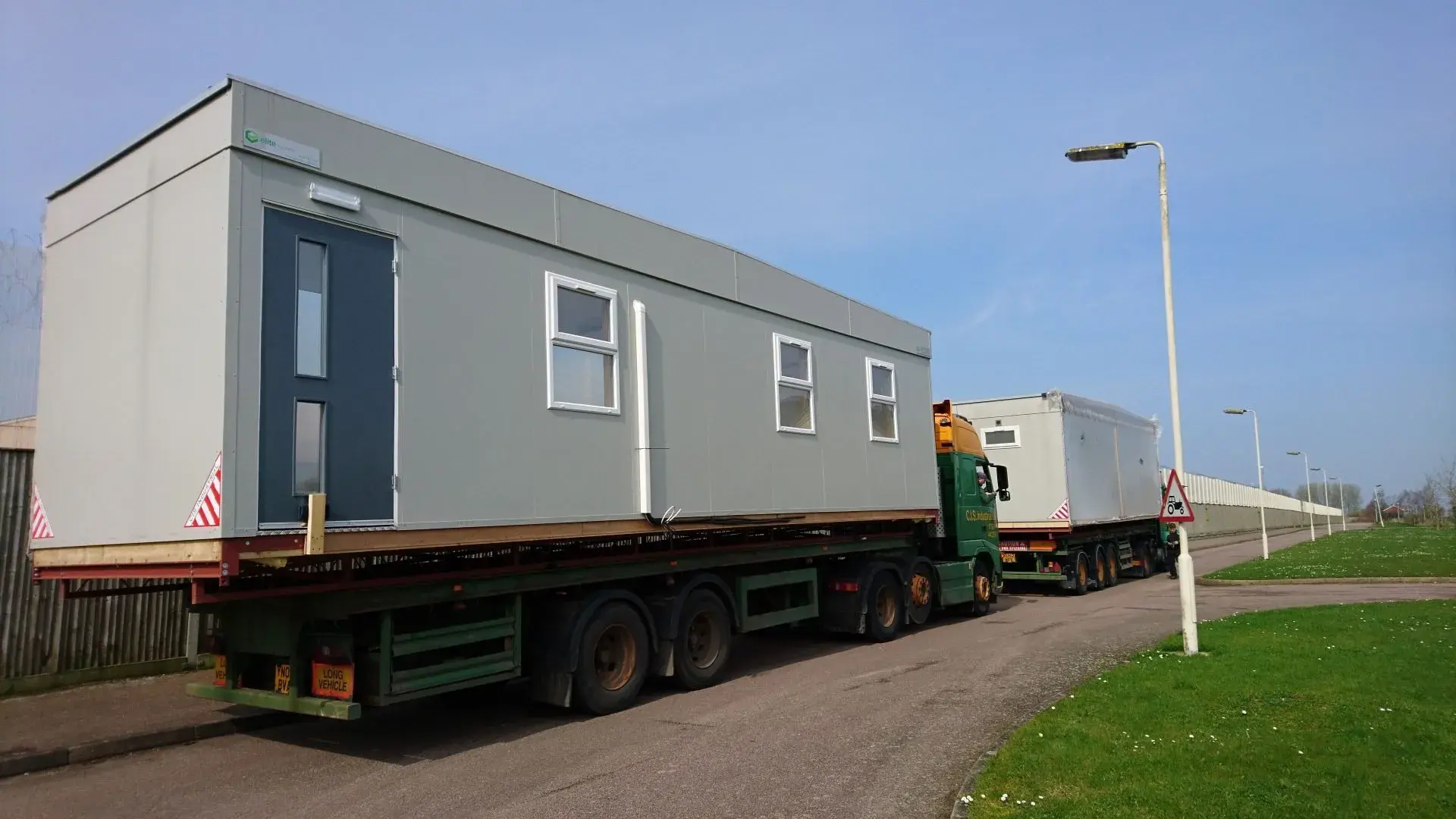
Modular Building Regulations in the UK: Will a Modular Building Comply?
No Comments Yet
Let us know what you think