

Are Modular Healthcare Buildings the Future of NHS Estates
— And Can They Really Be Cost Neutral?
Facing unprecedented demands on our NHS estates, finding a way to expand capacity quickly and cost-effectively is a constant challenge. But what if there was a solution that wasn’t just fast, but could be financially self-sustaining?
At Elite Systems, we believe that modern, modular healthcare buildings are exactly that—a way to expand NHS capacity in a way that can be cost neutral. In this blog, we explain why modular solutions are transforming healthcare estates, how they can reduce costs while increasing patient throughput, and why they represent the most flexible option for today’s NHS pressures.
Why Modular Healthcare Buildings are the Future of NHS Estates
NHS estates face unprecedented pressures:
- Seasonal surges and winter demand.
- Population growth and rising patient numbers, especially within community and outpatient settings.
- Aging infrastructure that is costly to maintain.
- Primary care transformation, including facilities for clinical research.
Traditional construction projects often take years, require heavy capital expenditure, and disrupt existing services. By contrast, modular healthcare buildings offer:
- Rapid delivery — designed, manufactured, and installed in months.
- Minimal disruption — modular buildings can be installed alongside operating estates.
- Scalability and flexibility — spaces can be reconfigured or expanded as needs change.
For trusts needing fast, cost-effective, and flexible solutions, modular is emerging as the clear choice.
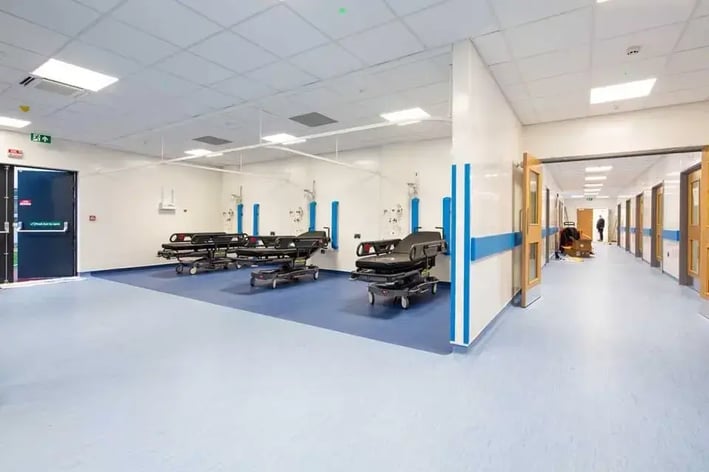
Cost Neutral Modular Facilities: How It Works
Many NHS trusts assume that new facilities will inevitably add a financial burden. However, a new modular healthcare building can often be delivered in a way that is cost neutral, offering a smarter, more flexible approach to expanding capacity. Here’s how:
1. Lease-Purchase and Hire Models
Instead of large, upfront capital expenditure (CapEx), trusts can spread costs over time using flexible Operating Expenditure (OpEx) models, such as lease-purchase or rental options. This reduces immediate financial strain and makes new facilities accessible even when capital budgets are constrained.
2. Revenue Follows the Patient
New clinical capacity often generates additional patient activity, which brings corresponding NHS funding. Modular facilities; whether theatres, diagnostics, or research spaces can therefore:
- Increase throughput without adding permanent staff costs immediately.
- Enable trusts to offer new services, such as same-day emergency care or research trials, which can attract additional funding streams.
- Help trusts justify expansion without the need for heavy capital expenditure, making the project effectively self-financing over time.
3. Operational Efficiency
Modular healthcare buildings are designed for workflow efficiency, infection control, and energy savings. These operational advantages reduce long-term costs:
- Optimised layouts for patient flow and staff movement reduce wasted time.
- Energy-efficient design cuts heating, cooling, and electricity costs.
- Compliance-built infrastructure reduces the risk of expensive retrofits or remediation.
- Digital-ready spaces support AI, telemedicine, and modern diagnostics, future-proofing investment.
4. Long-Term Value
Elite Systems backs their modular healthcare buildings with a 25-year warranty on key elements, including roofs, structural components, and critical systems. This ensures:
- Reduced lifecycle maintenance costs compared to older or traditional buildings.
- Peace of mind for estates managers that the facility will remain reliable and fully operational for decades.
- Lower total cost of ownership, making the initial investment financially advantageous over the long term.
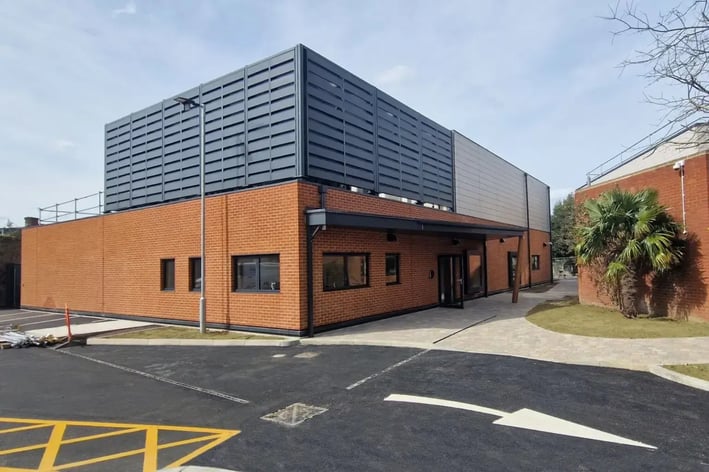
Future-Proofing for Digital and AI Healthcare
As the NHS embraces virtual consultations, AI-assisted diagnostics, and data-driven research. Many older estates are ill-equipped for these innovations.
Your new modular spaces can be designed to be digital-ready, including:
- Secure networks for virtual care and research
- AI-compatible diagnostic and outpatient spaces
- Integrated IT infrastructure for future innovations
This ensures your modular healthcare building is future-proof and adaptable.
Faster Procurement Through NHS Frameworks
Procurement delays often stall NHS projects. Through frameworks like NHS SBS,
Elite Systems makes modular solutions:
- Quick and compliant to procure
- Trusted and pre-approved
- Faster to implement than traditional builds
Framework access allows procurement teams to move quickly while staying compliant.
Our Real-World Examples
20-Bed Isolation Ward – Royal Surrey County Hospital
Elite Systems was commissioned to design and build a 20-bed modular isolation ward as part of the hospital’s urgent COVID-19 response. From the initial call to project completion, we delivered a fully operational, high-quality healthcare facility in just 14 weeks—enabling NHS staff to provide essential patient care in a safe, purpose-built environment.
‘A solution like this 20-bed ward would typically take two years to deliver – completing it within 14 weeks, as Elite have done, is unheard of within our industry, and this was only possible through the company’s support and ability to rise to the challenge’. – Gary Mountjoy – Associate director for estates facilities, health safety and major capital projects
Take a look inside the building and view the full project
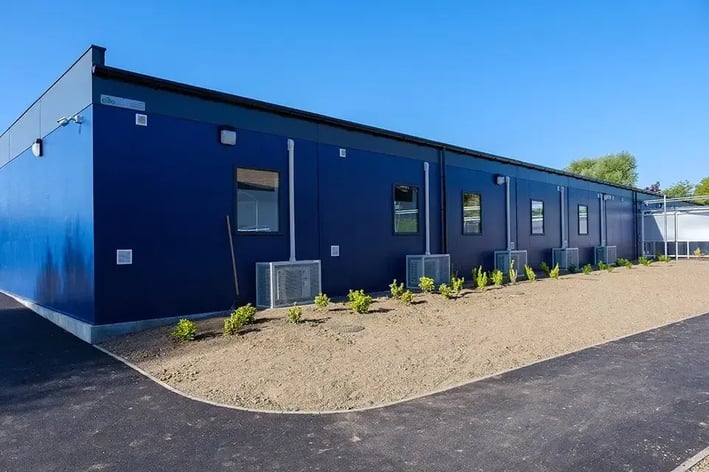
Same Day Emergency Care (SDEC) Unit – Royal Bolton Hospital
Elite Systems delivered a bespoke modular SDEC unit in just 20 weeks, helping the hospital manage patient flow during the COVID-19 pandemic. The unit includes assessment rooms, trolley bays, and fully compliant welfare facilities.
‘Developing our Estate is a key priority for the next five years. We wanted to ensure that we made the best possible use of the space that we have, and to use it to make a positive contribution to our local communities’. – Bolton NHS Foundation Trust
Take a look inside the building and view the full project
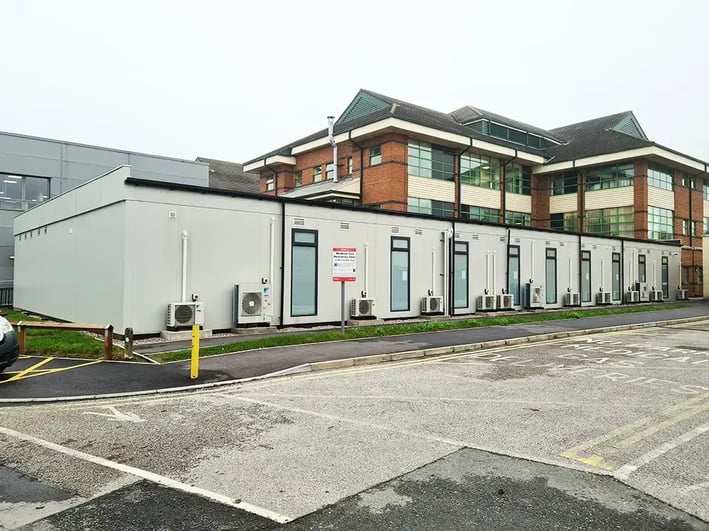
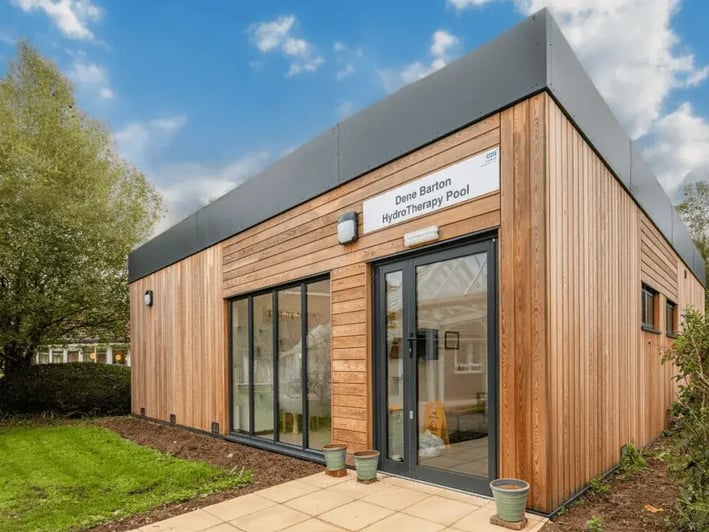
Hydrotherapy Pool – Dene Barton, Somerset NHS Foundation Trust
A decommissioned hydrotherapy pool was replaced with a modular, temperature-controlled facility featuring specialist physiotherapy equipment and patient changing rooms. Delivered efficiently and fully compliant with NHS standards, this modular solution enhanced physiotherapy services and increased patient capacity without the time or cost of a traditional build.
‘The feedback we’ve had from patients has been amazing so far – they love it! We even struggle getting them back out of the water. The building is used to help a wide range of people, from as young as one year old to the elderly and those with learning difficulties too’. – Sharron Kingston, Hydrotherapy Assistant
Take a look inside the building and view the full project
FAQs: Modular Healthcare Buildings in the NHS
Are modular healthcare buildings NHS-compliant?
Yes. All facilities can be designed to meet HTMs, HBNs, infection control, and anti-ligature standards.
Can trusts lease or rent modular operating theatres?
Yes. Lease-purchase and rental options make modular facilities accessible even with limited capital budgets.
How fast can modular facilities be delivered?
Depending on size, facilities can be operational in months, not years.
Are modular facilities temporary?
No. Elite Systems modular buildings are permanent assets, backed by 25-year warranties.
Do modular buildings really save costs?
Yes. With efficient design, flexible financing, and added patient capacity, modular facilities can be cost neutral over their lifecycle.
Can modular units be relocated or reconfigured if demand changes?
Yes. Modular facilities are designed to be flexible, allowing reconfiguration or relocation to meet evolving NHS needs
Why Elite Systems?
- 25-year warranties ensure long-term reliability.
- Bespoke design tailored to each trust’s needs.
- NHS SBS framework access for faster, compliant procurement.
- Business case support to help finance directors justify cost-neutral investments.
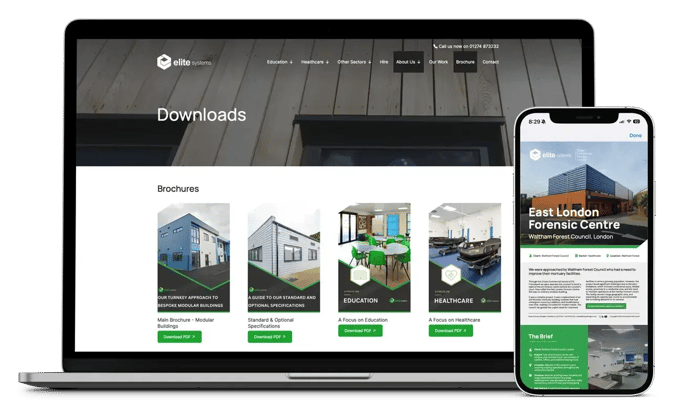
Download our Modular Healthcare Brochure
Final Thought
Modular healthcare buildings are the future of NHS estates, and when planned correctly, they can be cost neutral.
They are:
- Agile: built to meet urgent demand quickly.
- Compliant: meeting NHS regulations.
- Flexible: designed for digital transformation and evolving needs.
- Cost Neutral: structured to fund themselves through smarter financing and additional capacity.
With the right approach, trusts can expand capacity faster, more flexibly, and more affordably than ever before — and that’s exactly what modular makes possible.
Key Takeaway: Modular healthcare buildings outperform traditional construction in speed, cost-efficiency, and flexibility, while ensuring full compliance and operational readiness. For trusts seeking cost-neutral expansion, modular represents the smarter choice!

Modular Classrooms: A Buyers Guide for UK Headteachers
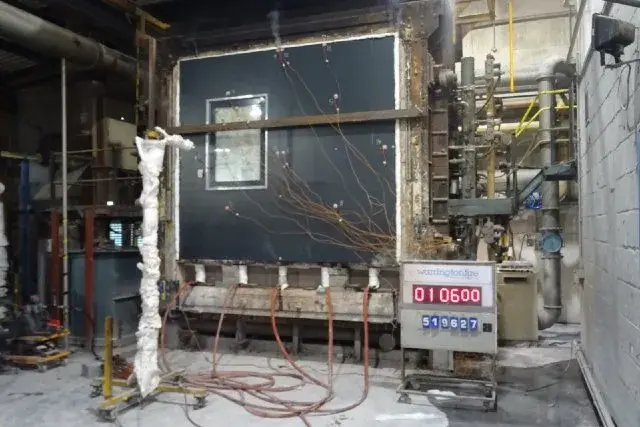
When it comes to fire safety, just how safe is modular construction?
No Comments Yet
Let us know what you think