


The topic of Brexit has rarely been out of Britain’s front pages since the UK opted to leave the EU after the 2016 referendum: while much has been written about the ongoing negotiations, recently attention has turned – in the national press at least – to the issue of transport and logistics.
Recent reports of delays at ports such as Felixstowe – which owners said was made worse by Brexit stockpiling, and the ongoing Covid-19 pandemic – have highlighted the urgent need for Britain’s ports and other transport hubs to ensure they step up preparations for what will inevitably be a very busy time.
Administration and infrastructure
The UK government is investing heavily in ensuring the traffic moves as freely as possible, and that freight keeps moving through the UK. Aside from the infrastructure itself – that is, the road, rail, air and water networks – the UK needs to invest in administration capability. And that means optimising property portfolios so that border and customs officials have the facilities they need to get goods flowing.
In order to put this in place, transport and logistics hubs will require additional high quality office and administrative space, and with the clock ticking ever closer to the end of the transition period, it is essential that this is planned and put in place now. What’s more, with the government’s commitment to sustainability still applicable, any construction work will need to ensure that it can operate on a low-carbon basis – making modular buildings an attractive option for many.
.webp?width=709&height=473&name=Trinity-Farm-Distribution-Centre%20(1).webp)
Modular for logistics
Modular buildings can be built in a fraction of the time it would take to construct something using more traditional bricks-and-mortar methods: with the bulk of the work completed in carefully controlled factory conditions, modular buildings aren’t subject to delays due to the weather or issues with co-ordinating multiple teams of subcontractors.
With the option to design bespoke spaces – beyond the simple box that might spring to mind – these modules can be configured for everything from offices to security centres to canteen space, and can be ready for use within just a few weeks of being commissioned. At Elite, our in-house design team can work to almost any brief to create a bespoke modular building that is ideally suited to its purpose – and that is a pleasant and comfortable working environment, with bright, spacious rooms and excellent facilities.
This can include incorporating ‘green’ features such as triple glazed windows, improved insulation, and even solar PV panels – our modular buildings can achieve carbon zero across their lifetime if desired, which will also serve to reduce the whole life cost of the structure.
Experts in offsite
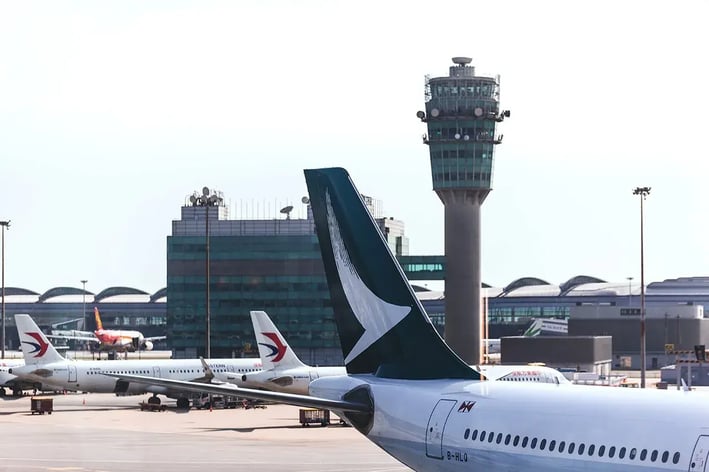
Speed and sustainability are not the only considerations when planning to upgrade transport and logistics facilities: when selecting a construction partner, it’s important to work with a supplier which can work in carefully controlled environments – whether that’s roadside, trackside, or airside, and that can ensure minimal disruption.
At Elite, our off-site construction methods mean we can install and fit the finished building in just days – allowing work at busy ports and infrastructure hubs to continue with very limited interruption. Our teams are used to working in controlled environments to ensure that the modular offices, control rooms, or gatehouses are operational as quickly as possible.
So, while the countdown to Brexit may be entering its final phase, there’s still time for transport and logistics hubs – from Britain’s docks to airports, rail hubs to customs offices – to upgrade their space and capability to deal with the busy time ahead.
For more information, visit elitesystemsgb.co.uk.
Elite Systems Appointed to YPO Modular Buildings and Modern Methods of Construction Framework
Should the commercial sector catch up on modular construction?

No Comments Yet
Let us know what you think