

Modular Building Costs Per Square Metre – A Complete Guide
When considering new space – whether it’s a healthcare facility, a specialised commercial unit, or a classroom building – cost is always a key factor in the decision-making process. At Elite Systems GB, based here in Cleckheaton, one of the most common questions we’re asked is: “How much does a modular building cost?” It’s an important question. While a single definitive figure isn’t possible due to the bespoke nature of each project and the variety of customer requirements, we can offer clear insights, particularly when looking at cost per square metre.
Modular construction is often praised as a more cost-effective alternative to traditional build, and for good reason. Let’s delve into what influences these costs and give you a clearer picture of the investment involved.
The Cost Per Square Metre: A Starting Point
While it’s essential to understand that every project is unique, but as a general benchmark, modular buildings from Elite Systems GB start at less than £1,000/m²*.
The final cost of your project will depend on a range of factors, which we’ll explore below — including specification, complexity, and site conditions.
*Excludes ground works, connections, delivery, and installation additional costs.
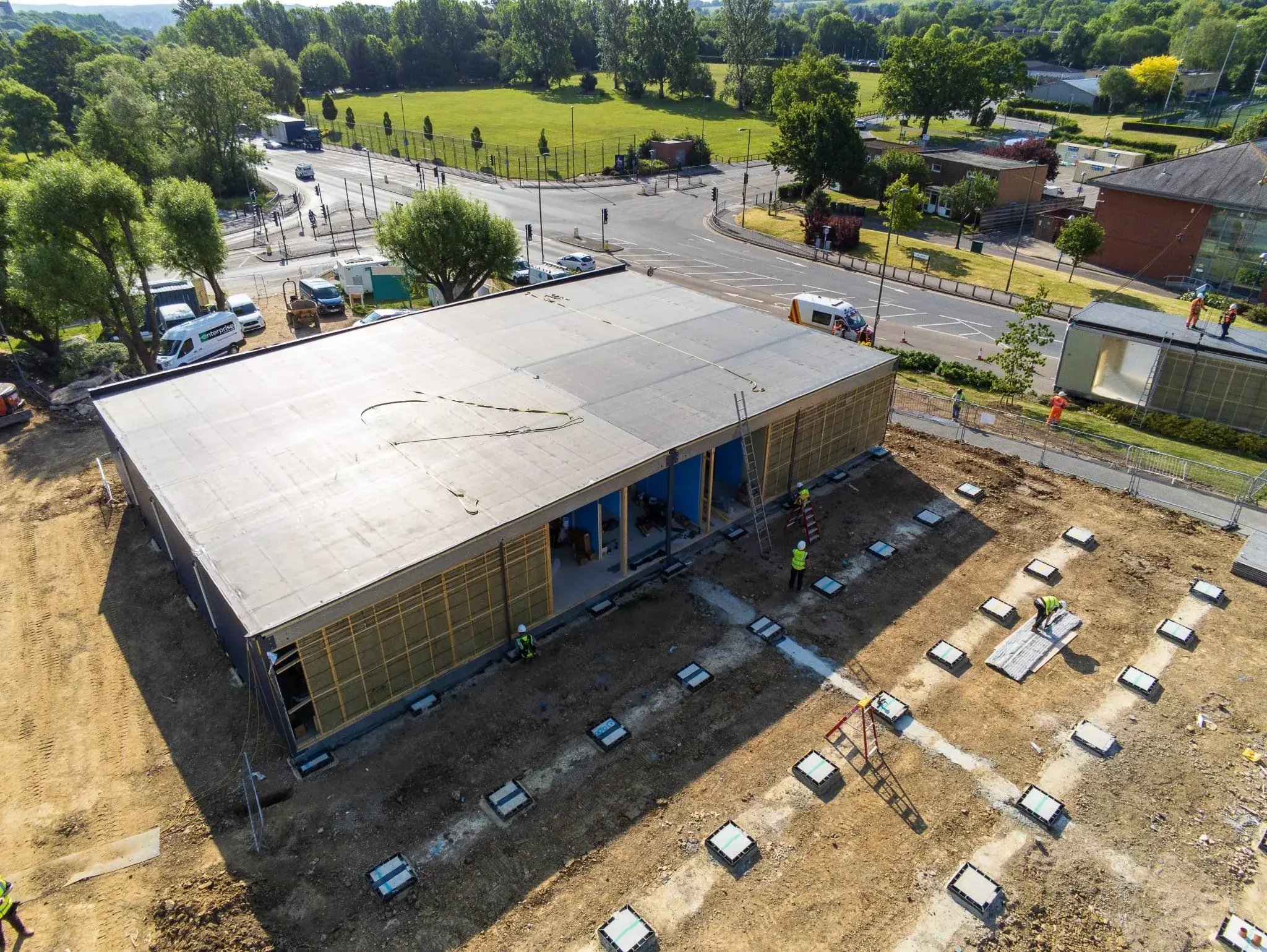
What Influences the Cost of Your Modular Building?
The ‘cost per square metre’ is a useful benchmark, but it’s shaped by several key factors:
- Specification & Finish:
- Standard vs. enhanced specifications
A simple, functional modular office or classroom will naturally cost less per square metre than a high-spec, architecturally complex building with enhanced interior finishes, advanced climate control, bespoke joinery, or specialised equipment. - External cladding
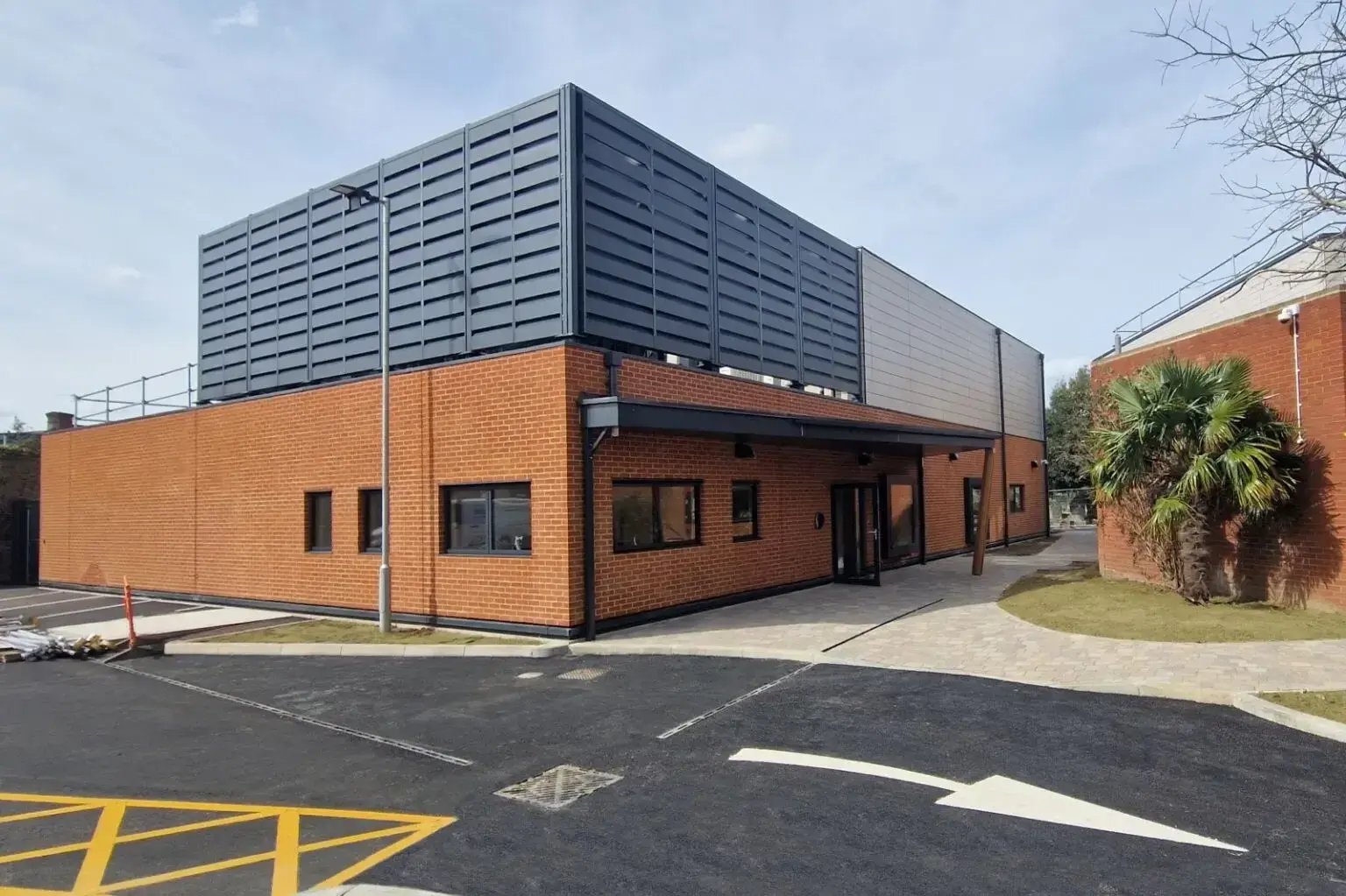
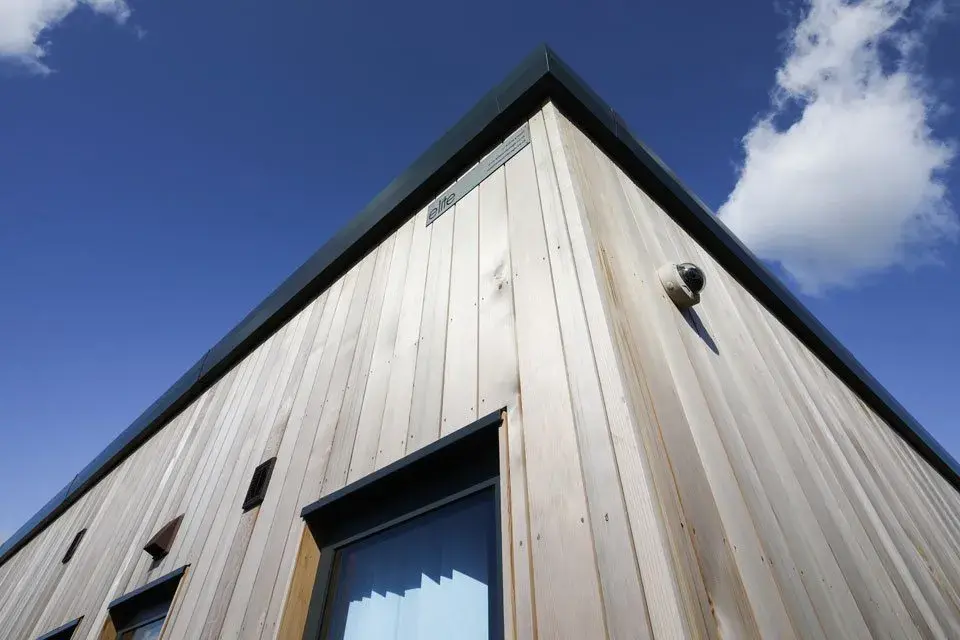
Options range from standard steel panels to brick slip, timber, or composite cladding, each impacting the aesthetic and cost. - Internal fit-out
The choice of flooring, lighting, ceiling types, and partition walls will also play a significant role.
- Standard vs. enhanced specifications
- Size & Complexity of Design:
- Multi-storey vs. single storey
Multi-storey buildings require additional engineering, structural steelwork, and more complex installation processes, all of which increase an overall project investment. - Layout and features
The number of rooms and inclusion of specialist areas will influence internal layout, service requirements, and overall project spend.
- Multi-storey vs. single storey
- Site Preparation & Installation:
- Groundworks
The ground conditions of your site will determine the type and design of foundations and groundworks, which are a separate but a critical cost to be mindful of. - Utilities
Connecting to existing water, electricity, drainage, and data services will vary depending on proximity and complexity.
- Groundworks
- Application & Building Regulations:
- Sector-specific requirements
A modular classroom will have different regulatory and functional requirements than an MRI building or a commercial retail unit. Healthcare facilities, for example, require stringent hygiene, air quality, and specialised equipment provisions, which add to the cost. - Compliance
Ensuring full compliance with building regulations, fire safety, and accessibility standards is non-negotiable and factored into the design and construction.
- Sector-specific requirements
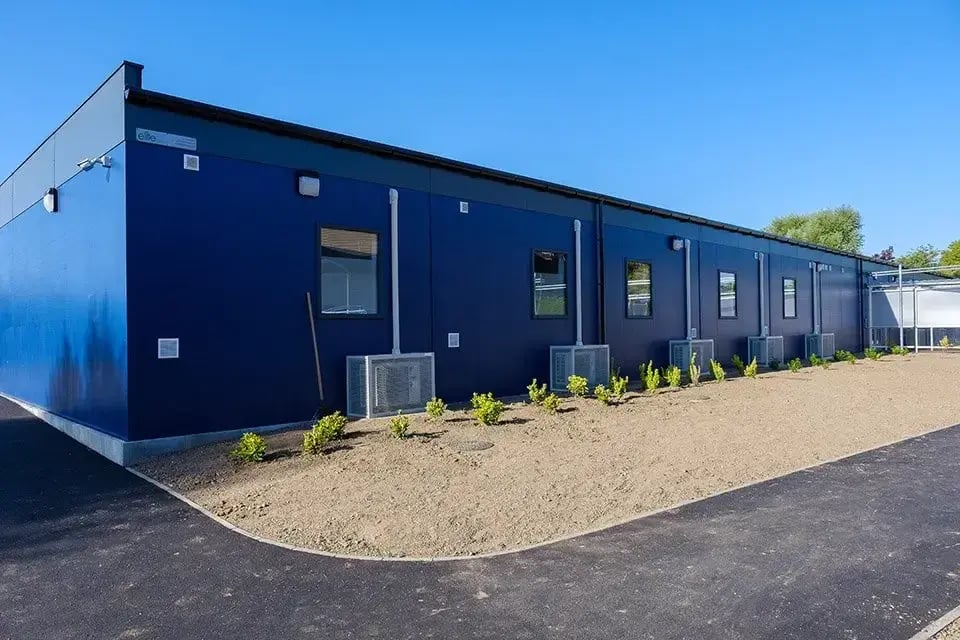
Why Modular Construction Can Offer Better Value:
Modular buildings present significant cost efficiencies compared to traditional construction methods:
- Speed of build
Our factory-controlled manufacturing means concurrent site preparation and module construction. This drastically reduces overall project timelines leading to lower labour costs on-site and quicker occupation – meaning your new facility can start generating income or providing services sooner. - Reduced waste
Manufacturing in a controlled factory environment minimises material waste, leading to cost savings and environmental benefits. - Predictable costs
The off-site nature of construction means fewer unforeseen delays due to weather or on-site issues, making project costs more predictable and reducing the risk of budget overruns. - Quality control
Rigorous factory quality control often results in a higher quality build, potentially reducing long-term maintenance costs.
Getting a quote from Elite Systems GB
While our per square metre figure is a useful guide, the best way to understand the cost for your specific project is to speak directly with our experienced team. We’ll discuss your requirements, budget, and site specifics to provide a no-obligation quotation tailored precisely to your needs.
Conclusion
Understanding the factors that influence modular building costs empowers you to make smarter, more informed decisions for your project. At Elite Systems GB, we’re committed to guiding you through every step, ensuring you get a solution that balances quality, efficiency, and value. Reach out to our team today to explore how modular construction can work for your specific needs and budget.
Contact Elite Systems GB today for a free consultation and site survey.
What to Look for When Choosing Modular Building Companies

Modular Classrooms: A Buyers Guide for UK Headteachers
No Comments Yet
Let us know what you think